Selecting the right pump for abrasive slurry applications is not just a procurement decision. It is a critical operational choice that affects downtime, maintenance costs, and production throughput. DAE Pumps builds heavy-duty flooded suction slurry pumps designed for exactly these demanding conditions.

Flooded suction pumps operate with the liquid level positioned above the pump inlet, allowing gravity to prime the system. This configuration eliminates suction-side air entrainment and ensures consistent flow in high-solids environments. The following eight factors will help you evaluate pump fit, reliability, wear resistance, and maintenance demands with confidence.
Key Takeaways: Flooded Suction Slurry Pumps for Abrasive Applications
- Flooded suction pumps use gravity to maintain prime, which eliminates the air entrainment problems that cause cavitation in other pump types.
- High-chrome alloy construction (27% Cr or higher) extends wear life by three to four times compared to standard cast iron components.
- Proper pump sizing requires matching flow rate, head, and solids concentration to actual operating conditions rather than nameplate specifications.
- DAE Pumps H-Series flooded suction pumps handle solids up to 3.5 inches at flow rates reaching 18,000 GPM for demanding industrial applications.
- Regular maintenance inspection of impellers, wear plates, and mechanical seals prevents unplanned downtime and extends overall equipment life.
8 Critical Selection Factors for Flooded Suction Slurry Pumps
1. Understand How Flooded Suction Configuration Works
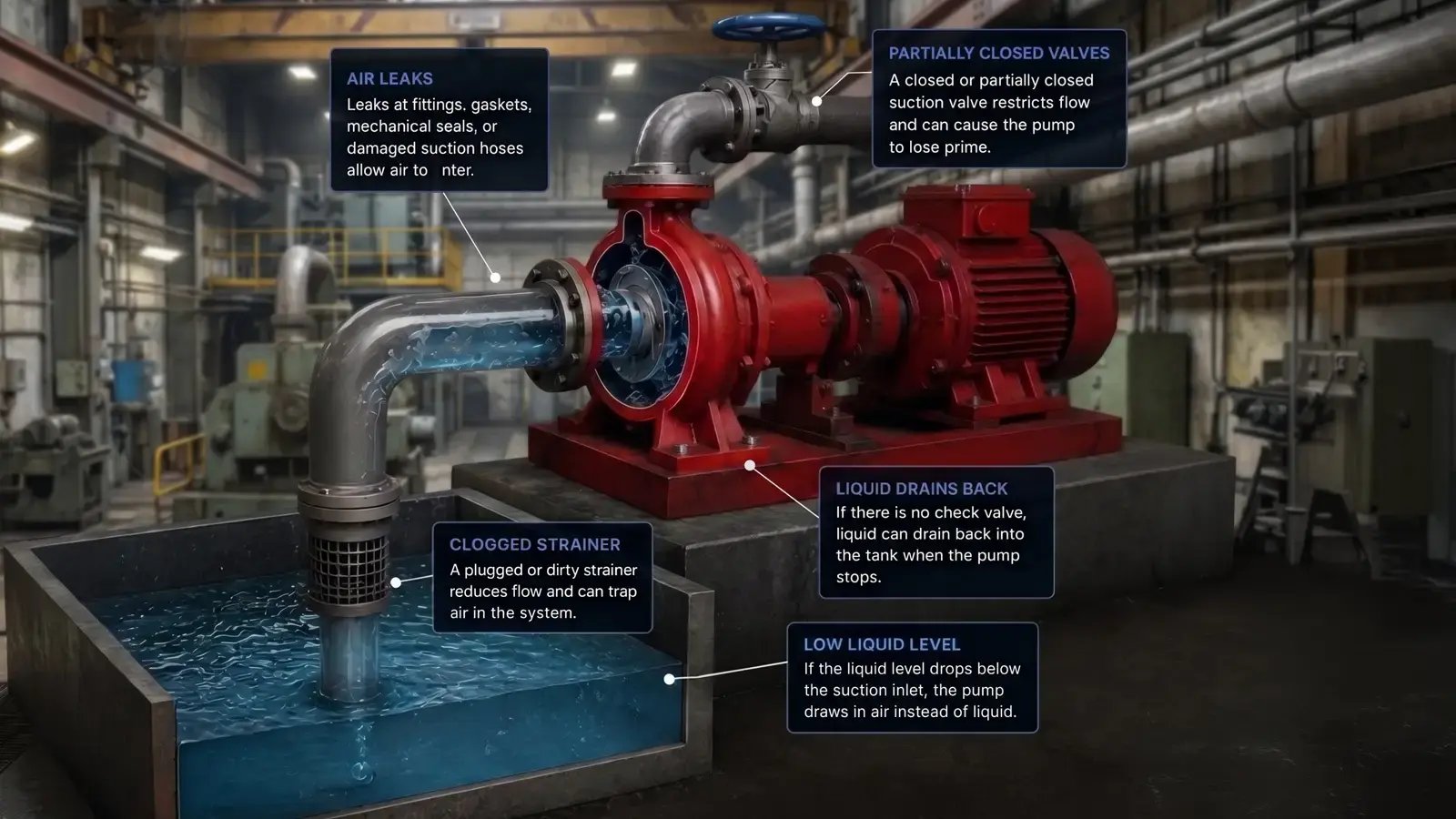
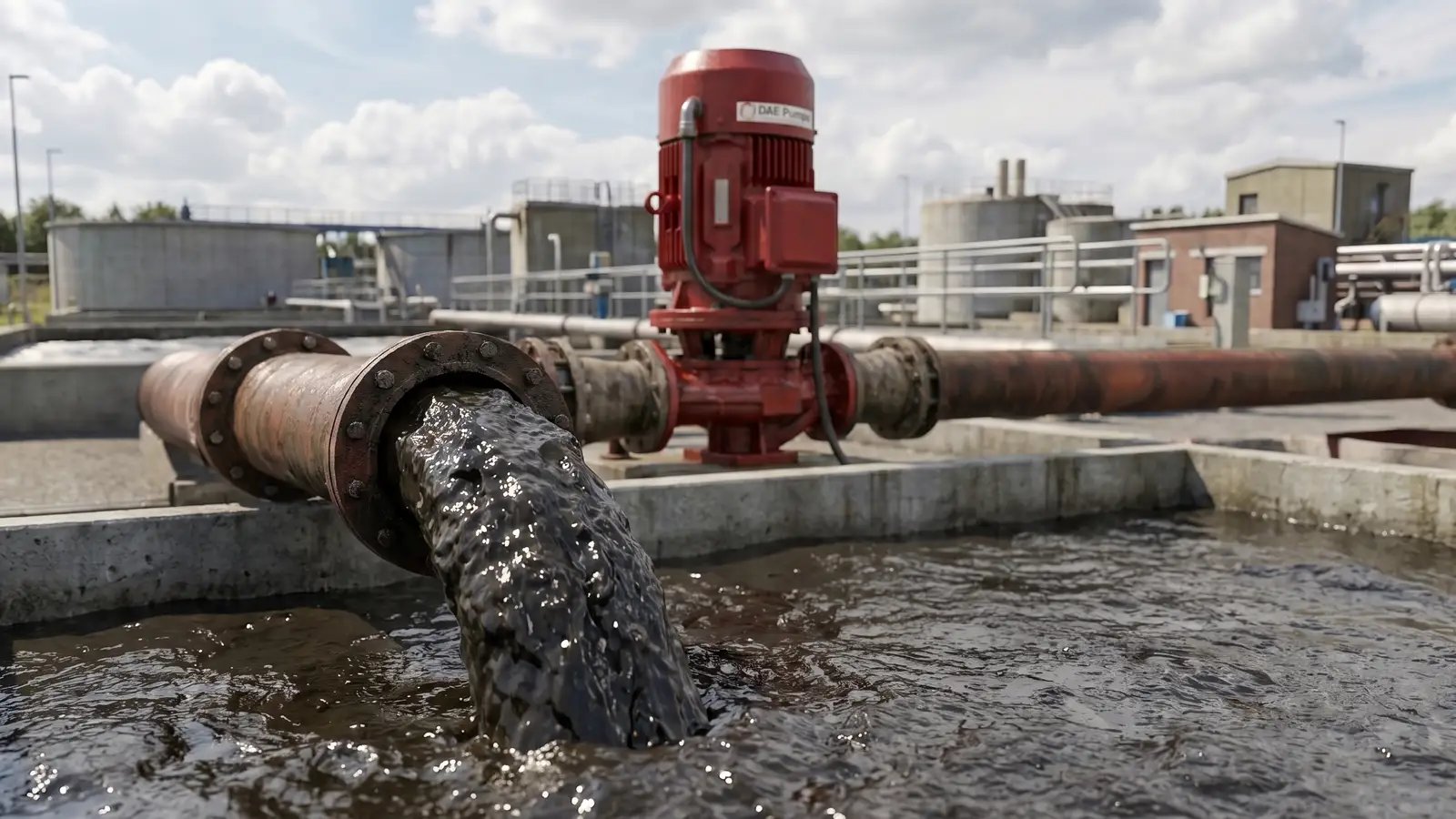
A flooded suction pump sits below the liquid source, whether that is a mining sump, process tank, or settling pond. Gravity pushes slurry into the pump inlet without requiring suction lift. This constant positive pressure at the inlet keeps the pump primed and ready to operate.
For abrasive slurries, this matters because air pockets cause cavitation, which accelerates impeller erosion. A flooded suction configuration minimizes that risk, particularly in applications where slurry density fluctuates or solids settle rapidly.
2. Evaluate Wear Resistance of Wet-End Components
Abrasive slurries containing sand, mineral fines, or crushed particles will erode pump components over time. The rate of wear depends on the materials used in the impeller, volute, and liner. High-chrome white iron alloys (27–28% chromium, hardness above 600 BHN) resist gouging and sliding abrasion better than standard materials.
DAE Pumps uses 27% Chrome White Iron construction in its H-Series flooded suction pumps. This metallurgy typically delivers three to four times the service life of cast iron in abrasive tailings and slurry transfer operations.
3. Match Pump Sizing to Actual Operating Conditions
Oversizing or undersizing a slurry pump creates problems. An oversized pump operates away from its best efficiency point, wasting energy and accelerating wear. An undersized pump cannot maintain target flow rates, creating production bottlenecks.
Key sizing parameters include flow rate (GPM or cubic meters per hour), total dynamic head, slurry specific gravity, and maximum particle size. DAE Pumps engineers can review these variables and recommend the right H-Series model for your specific duty.
4. Consider Solids Handling Capacity and Particle Size
Not all flooded suction pumps handle large solids equally well. Some impeller designs restrict passage to fine particles only. Others feature open or semi-open configurations that allow larger debris to pass without clogging.
DAE Pumps H-Series pumps pass solids up to 3.5 inches through non-clog impellers. This design feature reduces the risk of blockages when pumping mill scale, crushed ore, or construction debris mixed with process water.
5. Account for Slurry Density and Viscosity
Slurry density directly affects pump power requirements and flow rate. A slurry with 40% solids by weight requires more horsepower to move than clean water at the same flow rate. High-viscosity slurries (thick muds, clay suspensions) also increase friction losses in the piping system.
When selecting a flooded suction pump, calculate the adjusted power requirement based on slurry specific gravity. For abrasive slurries in the 1.4 to 1.8 SG range, plan for 20–40% additional horsepower compared to water service.
6. Evaluate Liner Options for Your Application
Flooded suction pumps typically offer metal-lined and rubber-lined configurations. Metal liners (high-chrome alloy) excel in applications with coarse, sharp particles and high operating temperatures. Rubber liners perform well with finer abrasives and offer corrosion resistance for acidic or alkaline slurries.
DAE Pumps H-Series is available in metal liner (M), rubber liner (R), and high head (H) versions. Matching the liner type to your specific application conditions extends component life and reduces total cost of ownership.
7. Plan for Maintenance Access and Wear Part Replacement
All slurry pumps require periodic maintenance. Impellers, wear plates, and mechanical seals are consumable items that need inspection and replacement based on operating hours and material abrasiveness. Pumps designed for quick wear part access reduce downtime during scheduled maintenance.
Front-adjustable wear plates allow operators to restore impeller clearances without disassembling the entire pump. This feature extends the interval between major overhauls and keeps the pump running at higher efficiency for longer.
8. Consider System Integration and Accessories
A flooded suction pump is one component in a larger material handling system. Slurry discharge hoses, flow meters, and variable frequency drives all affect overall system performance. Selecting components that integrate well with each other improves reliability and simplifies troubleshooting.
DAE Pumps offers turnkey pumping solutions including hoses, hydraulic power units, and flow metering equipment. This approach allows operators to source compatible components from a single supplier with consistent engineering support.
How to Select the Right Flooded Suction Pump for Abrasive Slurries
The right flooded suction slurry pump balances durability, efficiency, and ease of maintenance against your specific operating conditions. Start by documenting your flow rate requirements, total head, slurry properties, and maximum particle size. Then match those parameters to pump specifications rather than relying on general rules of thumb.
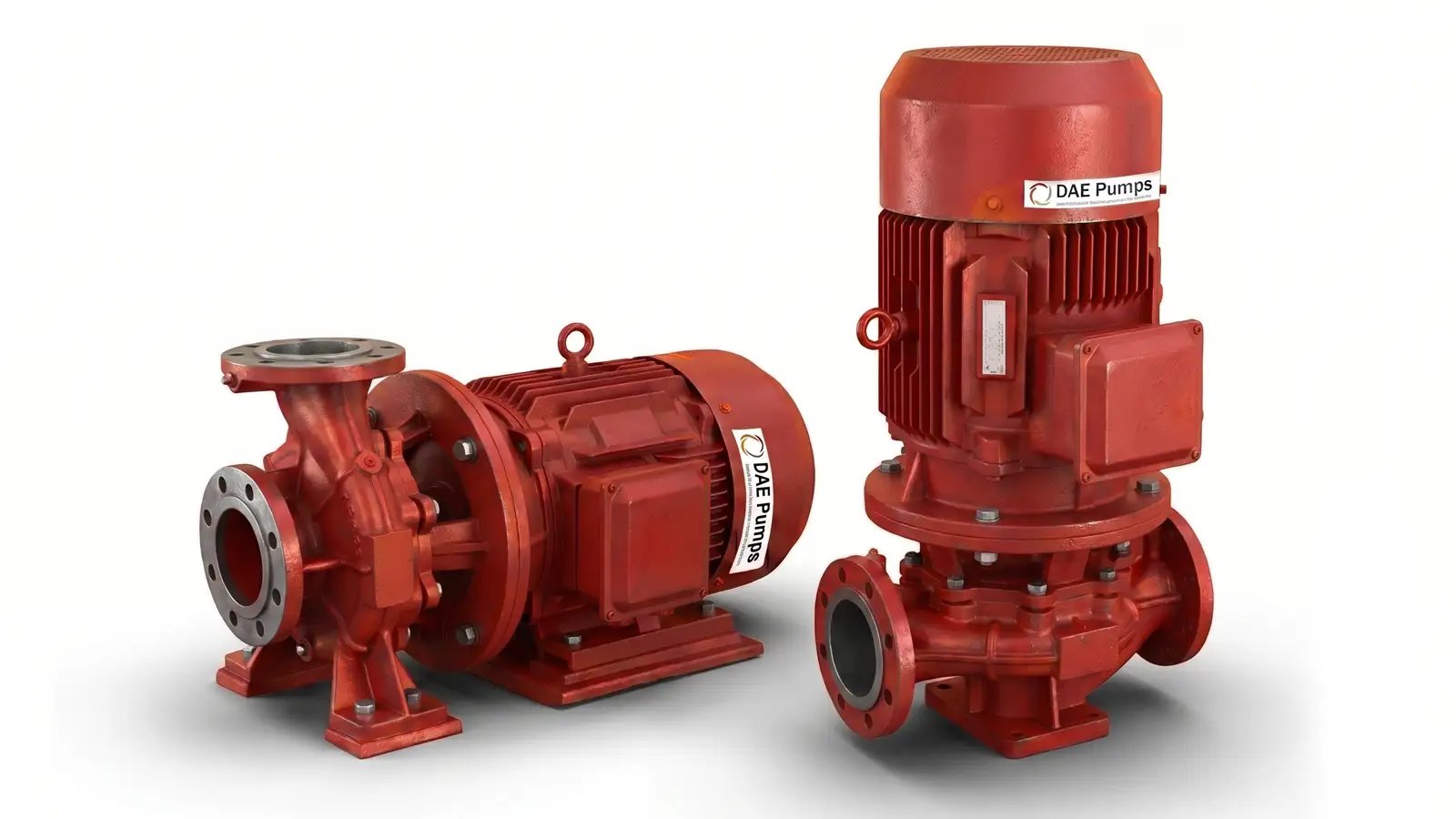
DAE Pumps builds heavy-duty H-Series flooded suction pumps that handle abrasive slurries in mining, dredging, and industrial process applications. Contact the DAE Pumps engineering team for an application review to determine the right setup for your project.
FAQs about Flooded Suction Slurry Pumps
What is a flooded suction slurry pump?
A flooded suction slurry pump is a centrifugal pump installed below the liquid level so gravity pushes slurry into the inlet. This configuration keeps the pump primed without suction lift requirements. Flooded suction pumps work well for transferring abrasive slurries from sumps, tanks, and hoppers where consistent inlet pressure is available.
How long do wear parts last in abrasive slurry service?
Wear part life depends on slurry abrasiveness, solids concentration, and operating speed. High-chrome impellers in moderate abrasive service typically last 2,000 to 4,000 operating hours. Highly abrasive applications with coarse particles may require replacement every 1,000 to 2,000 hours. Regular inspection helps predict replacement intervals.
What materials work for pumping corrosive abrasive slurries?
Rubber-lined pumps handle mildly corrosive abrasive slurries with pH levels between 4 and 10. For highly acidic or alkaline conditions, duplex stainless steel or specialty alloys may be required. DAE Pumps offers H-Series rubber-lined models for applications where corrosion resistance and abrasion resistance are both needed.
How do I calculate the power requirement for a slurry pump?
Calculate slurry pump power by multiplying the water horsepower by the slurry specific gravity, then dividing by pump efficiency. For example, a pump requiring 50 HP in water service at 1.0 SG would need approximately 70 HP for a slurry at 1.4 SG (assuming the same efficiency). Always include a safety margin for startup and surge conditions.
What is the difference between metal-lined and rubber-lined pumps?
Metal-lined pumps (high-chrome alloy) resist coarse particle abrasion and high temperatures better than rubber. Rubber-lined pumps excel with fine abrasives and offer corrosion protection for chemical slurries. Metal liners suit mining and aggregate applications. Rubber liners work well in wastewater and chemical process environments.
Can flooded suction pumps handle large solids?
Flooded suction pumps with open impeller designs can handle large solids. DAE Pumps H-Series models pass solids up to 3.5 inches through non-clog impellers. The maximum solids size depends on the specific pump model, intake diameter, and impeller configuration. Always verify the pump specification matches your particle size requirements.