
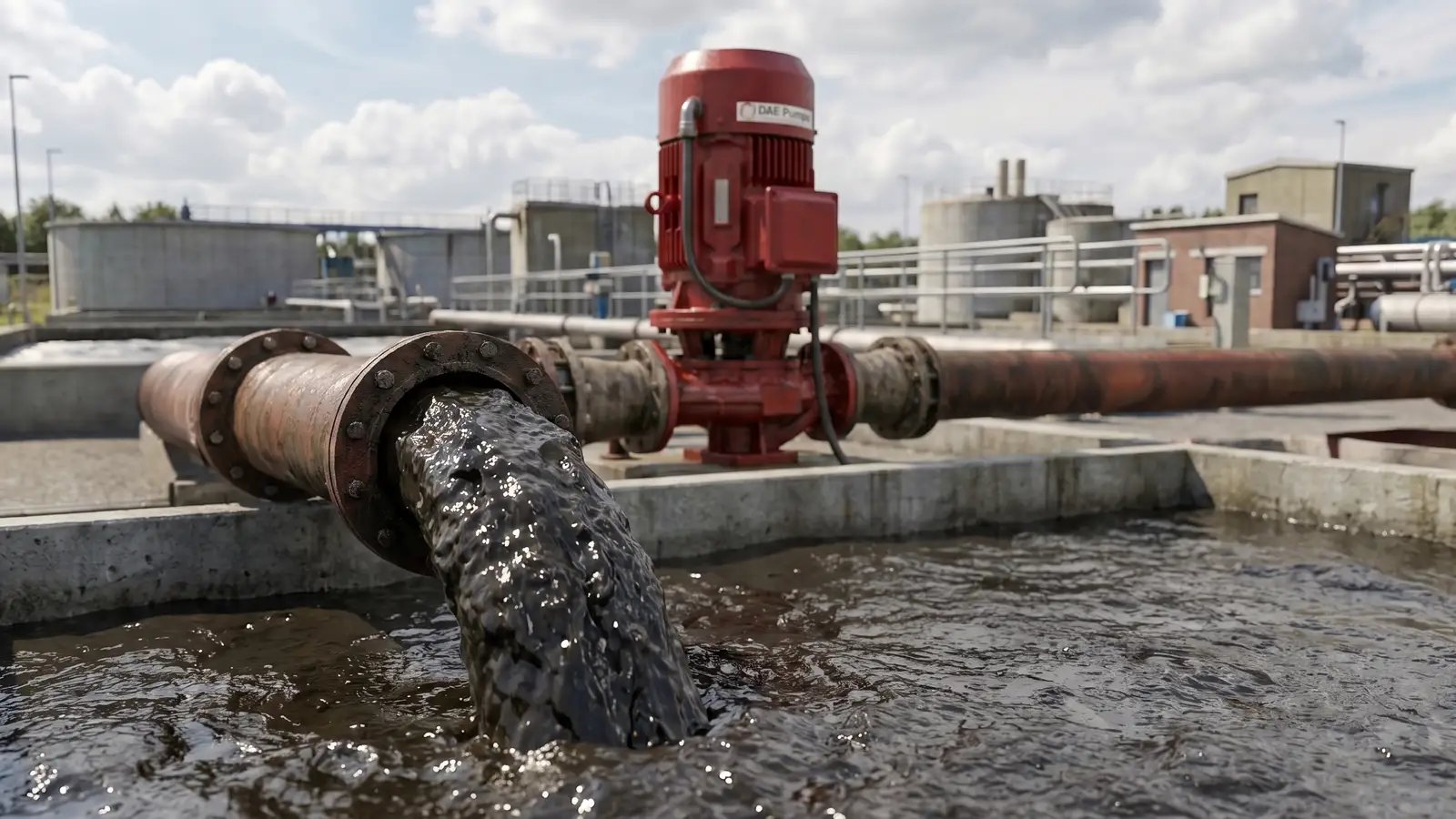
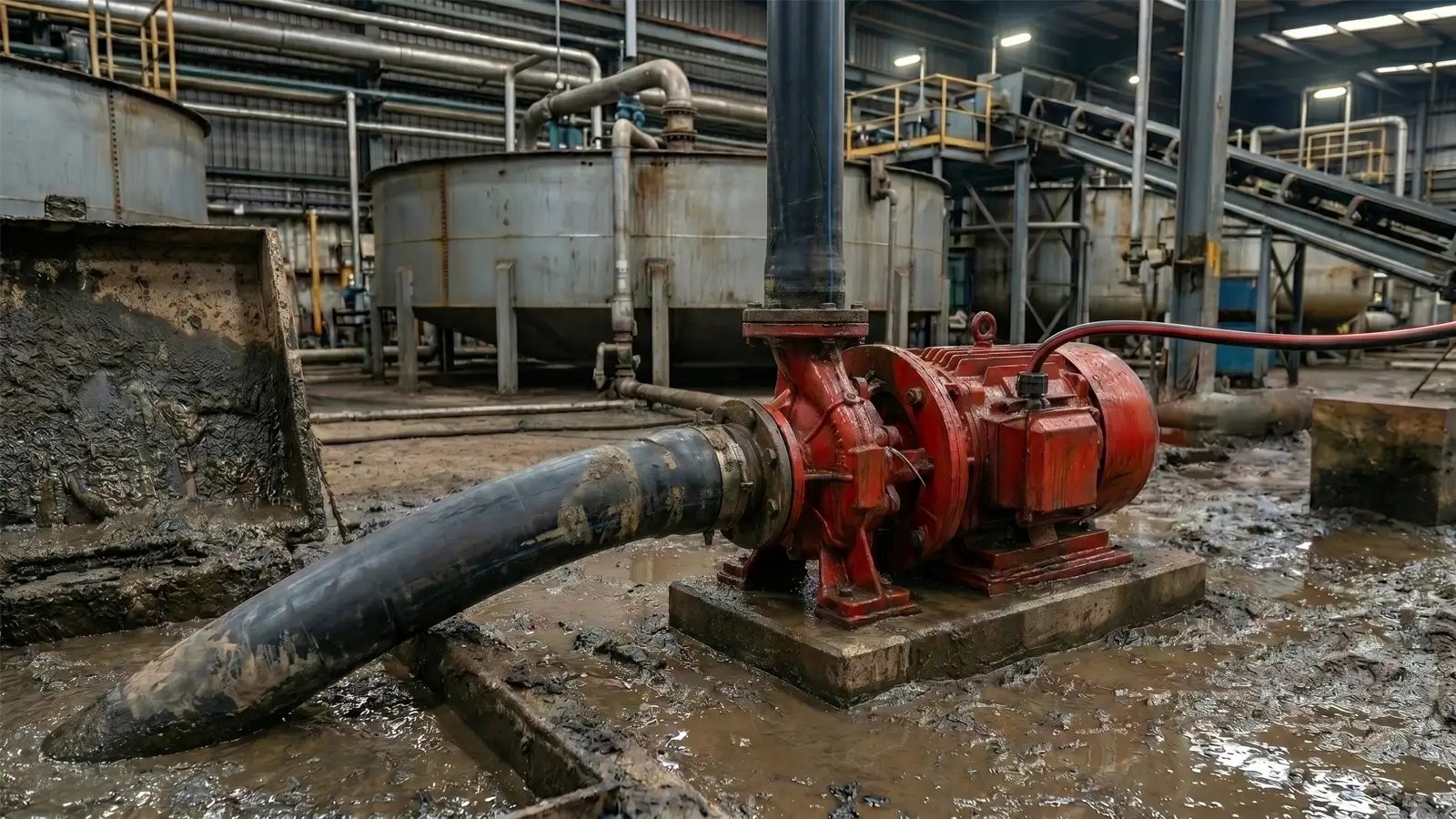
Wastewater solids are not clean water with a little dirt mixed in. They can include sludge, grit, sand, rags, fibrous material, settled biosolids, grease, and abrasive debris that can overwhelm a pump that was selected only from a clean-water flow number.

That is why flooded suction slurry pump selection matters. In the right installation, a flooded suction pump uses gravity to keep the pump chamber full and ready to run. There is no long priming cycle, no dry suction condition to fight, and less risk of air pockets interrupting startup. For wastewater plants moving sludge from tanks, hoppers, clarifiers, thickeners, or process areas, that can make the system simpler, more accessible, and easier to maintain.
The key is choosing the right configuration. A flooded suction pump is a strong fit when the pump can sit outside the tank and below the liquid level. A submersible pump, self-priming pump, or lobe pump may be the better choice when the site has different access, solids, viscosity, or installation constraints.
|
Answer-First Summary A flooded suction slurry pump handles wastewater solids by sitting below the liquid level so gravity keeps the pump primed. This gives the pump a steady feed of sludge or slurry, reduces priming problems, and keeps the pump accessible for maintenance. The best flooded suction setup depends on the duty point, sludge consistency, solids size, grit load, viscosity, pipe distance, space available, and whether the plant needs a horizontal, vertical, or alternate pump configuration. |
Key Takeaways
- Flooded suction pumps stay primed because the liquid source sits above the pump inlet, which supports fast startup and more stable operation.
- Wastewater solids create two main problems: clogging from rags and fibrous material, and wear from grit, sand, and abrasive particles.
- Horizontal flooded suction pumps are easier to access for maintenance, while vertical flooded suction pumps can help when floor space is limited.
- DAE H-Series, V-Series, and SPW-Series flooded suction pumps are built for gravity-fed slurry and liquid transfer from tanks and hoppers.
- The best pump selection starts with the real application: flow, total head, solids size, viscosity, sludge consistency, pipe distance, space, and maintenance access.
What Is a Flooded Suction Slurry Pump?
A flooded suction slurry pump is installed below or near the bottom of the liquid source so the material flows into the pump by gravity. Instead of pulling material up from below the pump, the system feeds the pump inlet with positive liquid head.
That simple layout solves a real problem in wastewater solids handling. Thick sludge and grit-heavy slurry can be difficult to prime, especially when the suction line has air pockets or the material changes consistency. A flooded suction pump starts with the pump chamber already filled, which helps the system start quickly and reduces the air-related issues that can lead to cavitation, lost flow, and shutdowns.
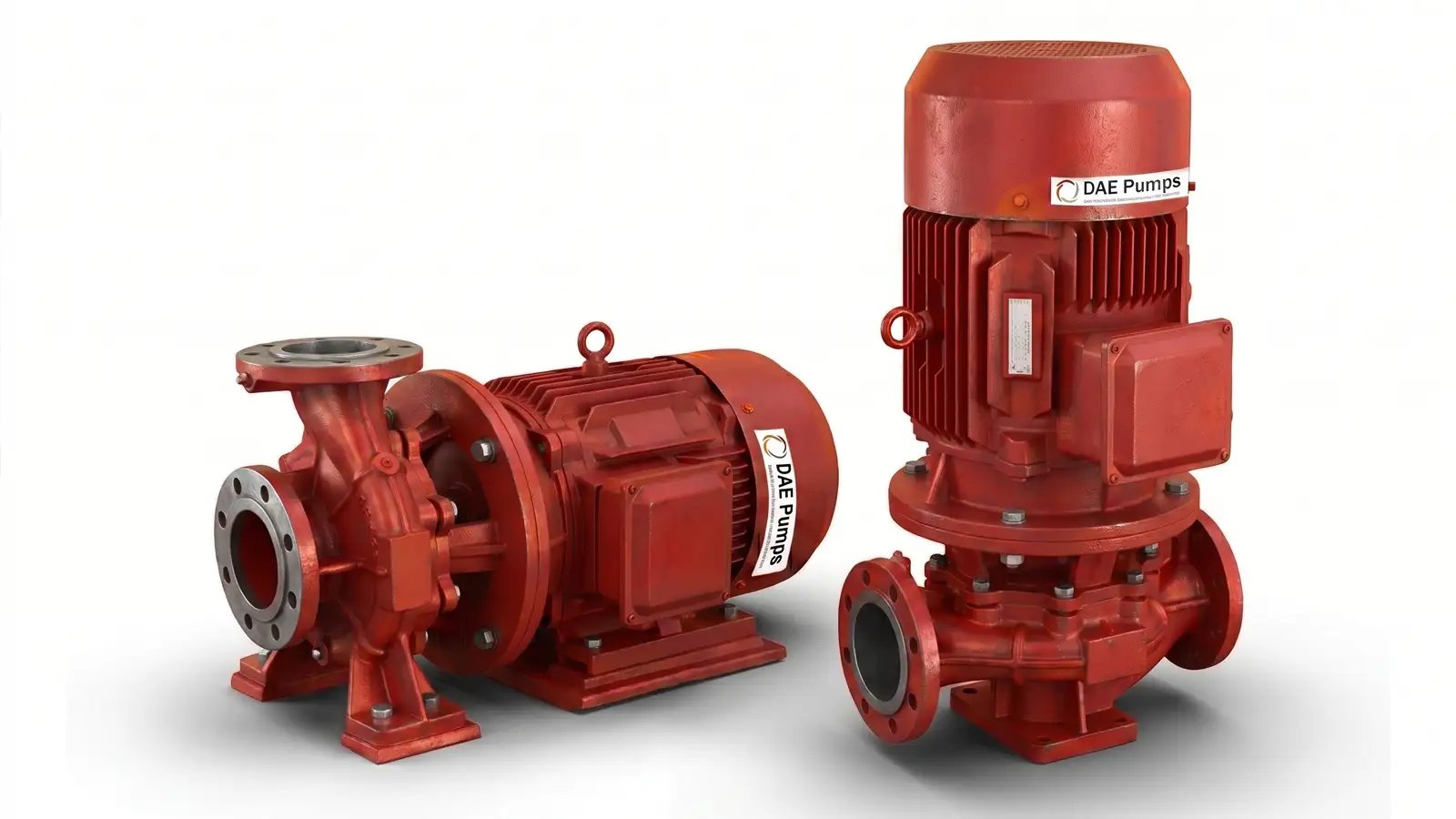
DAE Pumps positions its flooded suction pump lineup for moving slurry and liquid from tanks, hoppers, and storage systems, with horizontal and vertical configurations available depending on the installation.
Why Wastewater Solids Are Hard on Pumps
Wastewater solids are unpredictable. A plant may see thin wastewater during one operating window and thick sludge, grit, and rags during the next. That variability is what makes pump selection difficult.
- Grit and sand erode impellers, liners, casings, and wear plates.
- Rags, wipes, and fibrous material can wrap around impellers or restrict flow passages.
- Settled solids can compact in tanks, hoppers, sumps, and pipelines.
- Thicker sludge requires more power and can shift the operating point on the pump curve.
- Long pipe runs and fittings increase friction losses, especially when the slurry is dense or viscous.
A standard water pump may move clean water well, but it is not automatically the right pump for sludge. The pump has to match the solids profile, flow target, total head, and maintenance reality of the plant.
How Flooded Suction Pumps Help Handle Sludge and Solid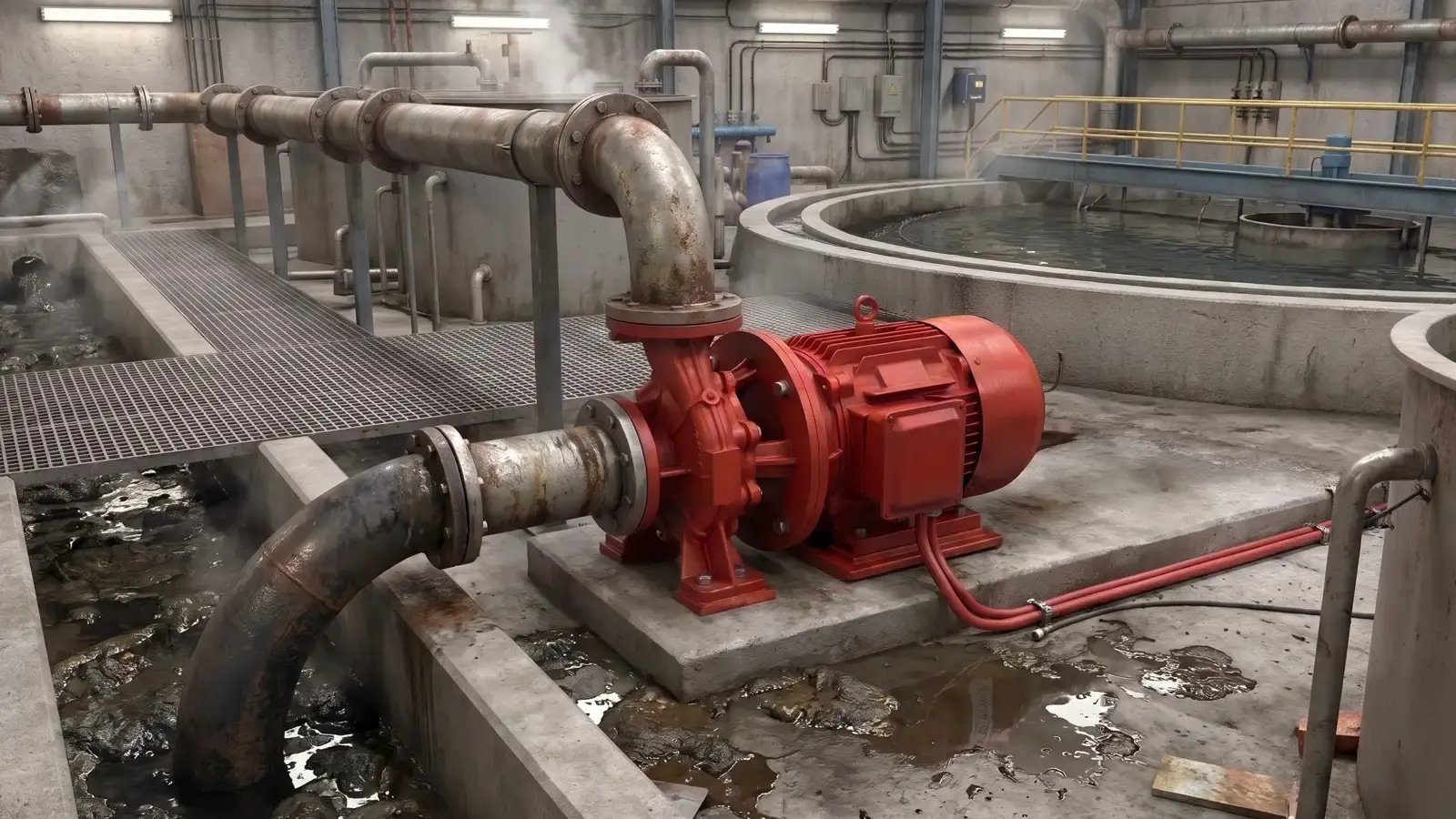
|
Flooded Suction Advantage |
Why It Matters in Wastewater |
|
Always primed by gravity |
The pump can start quickly because the pump chamber and suction side are already filled with liquid. |
|
Pump stays outside the tank |
Maintenance teams can access the pump, motor, seals, bearings, and wear parts without pulling a fully submerged unit. |
|
Better fit for tanks and hoppers |
Gravity-fed sludge transfer is a natural match when the pump can sit below the liquid level. |
|
Non-clog impeller options |
Larger internal passages help reduce clogging from wastewater solids, grit, and fibrous debris. |
|
Wear-resistant materials |
High-chrome, stainless, duplex, rubber-lined, or application-specific material options can be matched to abrasion and corrosion risk. |
When a Flooded Suction Pump Is the Right Starting Point
Flooded suction should usually be considered when the source tank, hopper, clarifier, thickener, or sludge storage area can gravity-feed the pump. The cleaner the suction arrangement, the easier it is to keep the system fed and primed.
|
Application Condition |
Likely Pump Path |
Why |
|
Pump can sit below the liquid level with good floor access |
Horizontal flooded suction pump |
Good access for inspection, alignment, seals, bearings, and wear-part service. |
|
Floor space is limited but gravity feed is available |
Vertical flooded suction pump |
Keeps the flooded suction advantage while reducing horizontal footprint. |
|
Pump must operate directly inside a wet well, pit, basin, or sump |
Submersible slurry or sludge pump |
Places the pump at the source when surface mounting is impractical. |
|
Pump cannot be placed below the liquid level |
Self-priming pump |
Useful when the pump must sit above or away from the source. |
|
Very thick sludge needs steady, controlled transfer |
Lobe pump |
Positive displacement path can fit thick sludge transfer, digester, clarifier, or dewatering feed applications. |
For this reason, the best customer journey is not “flooded suction or nothing.” It is: define the material, confirm the duty point, then choose the configuration that will be easiest to operate and maintain at that site.
DAE Flooded Suction Options for Wastewater Solids
DAE Pumps offers several flooded suction paths. The right one depends on floor space, access, flow, solids, maintenance strategy, and whether the site needs a horizontal or vertical installation.
|
DAE Pump Path |
Best Fit |
Internal Link |
|
H-Series Horizontal Flooded Suction Pumps |
Tank, hopper, sludge transfer, and gravity-fed slurry applications where floor access and maintenance access are priorities. |
|
|
V-Series Vertical Flooded Suction Pumps |
Plants that want flooded suction performance but have limited floor space or a tighter equipment footprint. |
|
|
SPW-Series Flooded Suction Pumps |
General flooded suction slurry and liquid transfer from tanks and hoppers where job-specific selection is needed. |
|
|
Lobe Pumps |
Thick sludge transfer, clarifiers, digesters, thickeners, and dewatering feed where controlled, steady flow is important. |
|
|
Submersible Slurry Pumps |
Pits, basins, lagoons, and wet wells where the pump needs to sit in the material rather than outside the tank. |
|
|
Self-Priming Pumps |
Temporary, portable, or above-source installations where flooded suction is not practical. |
H-Series vs. V-Series vs. SPW-Series: How to Think About the Choice
The flooded suction family should be presented as a selection path, not just a list of models. Here is the simple way to think about it:
- Use H-Series when a horizontal flooded suction layout gives the plant the best access for service and alignment.
- Use V-Series when the plant wants the same gravity-fed concept but needs a smaller footprint.
- Use SPW-Series when the application needs a flooded suction centrifugal pump and the exact model should be matched to the material, target GPM, viscosity, distance, and head.
The common thread is the gravity-fed arrangement. The difference is how the pump is packaged for the available space, maintenance access, and duty point.
What to Confirm Before Selecting a Flooded Suction Pump
A flooded suction pump can be the right answer, but only if the system data supports it. Before selecting a pump, collect the information that controls how the system will actually run.
|
Selection Data |
Why It Matters |
|
Required flow rate |
Defines how much sludge or slurry the plant needs to move during normal and peak conditions. |
|
Total dynamic head |
Combines static lift, pipe friction, fittings, valves, and discharge pressure requirements. |
|
Solids concentration |
Changes slurry density, viscosity, wear rate, and power demand. |
|
Maximum particle size |
Determines required solids passage and internal clearances. |
|
Rags and fibrous material |
Controls whether a non-clog, vortex, or alternate design should be considered. |
|
Grit and sand load |
Affects material selection, wear-part life, and maintenance planning. |
|
Viscosity and sludge consistency |
Determines whether centrifugal flooded suction is appropriate or whether a lobe pump should be reviewed. |
|
Tank level and suction geometry |
Confirms whether the pump will remain flooded and avoid air intake. |
|
Maintenance access |
Determines whether horizontal, vertical, submersible, or self-priming installation will be easiest to maintain. |
How Flooded Suction Pumps Reduce Common Wastewater Problems
|
Problem |
What Causes It |
How the Right Flooded Suction Setup Helps |
|
Lost prime or difficult startup |
Air in suction line, suction lift, or intermittent feed |
Gravity keeps the pump chamber and suction side filled when the installation is properly laid out. |
|
Clogging |
Rags, wipes, fibrous debris, and solids larger than the pump can pass |
Non-clog impeller selection and adequate solids passage reduce blockage risk. |
|
Fast wear |
Grit, sand, abrasive solids, high velocity, or wrong material selection |
Wear-resistant wet-end materials and proper operating speed help extend service life. |
|
Settling in the pipeline |
Flow velocity drops below what is needed to keep solids moving |
Correct flow, pipe size, and operating point help maintain transport velocity. |
|
Hard maintenance access |
Pump is submerged or difficult to pull |
External flooded suction installations can keep the pump accessible from the plant floor. |
Flooded Suction vs. Other Wastewater Pump Options
|
Pump Type |
Best Fit |
Main Advantage |
Watchout |
|
Flooded suction pump |
Gravity-fed tanks, hoppers, clarifiers, and sludge transfer |
Always primed and accessible for maintenance |
Requires pump to sit below or near the source liquid level |
|
Submersible pump |
Wet wells, pits, ponds, and basins |
Pump operates directly in the liquid source |
Maintenance may require lifting the pump out of the liquid |
|
Self-priming pump |
Temporary transfer or above-source installations |
Can operate when the pump cannot be placed below the source |
Priming system adds complexity and may be less efficient than true flooded suction |
|
Lobe pump |
Thick sludge, digester, thickener, or dewatering feed |
Steady positive-displacement transfer for viscous sludge |
Not the default choice for every grit-heavy or high-flow application |
How to Reduce Wear and Keep Solids Moving
Flooded suction helps with priming, but it does not remove the normal rules of slurry pumping. The system still has to keep solids suspended, protect the pump from abrasion, and avoid operating conditions that cause wear or settling.
- Maintain enough discharge velocity to keep solids suspended through the line.
- Avoid running too far from the intended duty point, which can increase recirculation, heat, vibration, and wear.
- Use the right wet-end material for grit, sand, corrosion, and chemical exposure.
- Inspect impellers, liners, seals, bearings, and wear plates on a schedule based on actual solids load.
- Track flow, pressure, vibration, temperature, and motor amperage so declining performance is caught early.
- Keep critical wear parts on hand when downtime risk is high.
Where DAE Pumps Fits in the Customer Journey
The customer usually does not start by saying, “I need a flooded suction pump.” They usually start with a problem: the pump clogs, the sludge is too thick, the tank has to be emptied faster, the submersible pump is hard to service, or wear parts are not lasting.
The DAE Pumps solution path should start with the application and move to the right configuration. A flooded suction pump may be the best fit when gravity feed and maintenance access matter most. A lobe pump may be better when sludge viscosity becomes the main issue. A submersible slurry pump may be better when the pump has to sit in the pit or basin. A self-priming pump may be better for portable or above-source operation.
For plants facing repeated clogging, abrasion, and pump efficiency loss, DAE’s wastewater case study is a helpful proof point because it connects the customer problem to real wastewater pumping challenges such as grit, sludge, clogging, abrasion, and reduced performance.
Quote-Prep Checklist: What to Send DAE Pumps
- Material being pumped: primary sludge, secondary sludge, grit, clarifier sludge, digester sludge, industrial wastewater, or mixed slurry.
- Solids percentage, particle size, and whether the material contains rags, wipes, plastics, or fibrous debris.
- Required flow rate in GPM and operating schedule.
- Total dynamic head, including pipe length, elevation, fittings, valves, and discharge pressure.
- Tank, hopper, sump, or wet well layout and whether the pump can be installed below the liquid level.
- Available footprint for horizontal or vertical equipment.
- Chemical exposure, pH, temperature, and corrosion concerns.
- Maintenance goals, downtime constraints, spare-parts requirements, and whether the system needs VFD/control integration.
Frequently Asked Questions
What is a flooded suction slurry pump?
A flooded suction slurry pump is installed so the liquid source sits above the pump inlet. Gravity keeps the pump filled and primed, which helps with fast startup and reliable transfer of sludge, slurry, and wastewater solids.
Why use a flooded suction pump for wastewater solids?
Use flooded suction when the site can gravity-feed the pump from a tank, hopper, clarifier, thickener, or sludge storage area. The arrangement reduces priming issues and keeps the pump accessible for inspection and maintenance.
Can flooded suction pumps handle grit, sand, and sludge?
Yes, when the pump is built for slurry service and selected for the actual solids. DAE flooded suction pumps use non-clog impeller options and wear-resistant materials for abrasive slurry and wastewater applications.
What is the difference between H-Series and V-Series flooded suction pumps?
H-Series pumps are horizontal flooded suction pumps and are often selected when floor access and maintenance access are priorities. V-Series pumps are vertical flooded suction pumps and are useful when the plant needs a smaller equipment footprint.
When should I choose a lobe pump instead of a flooded suction pump?
A lobe pump may be a better fit when the main challenge is very thick sludge, steady positive-displacement transfer, or feeding thickeners, digesters, separators, or dewatering equipment.
When is a submersible pump better than flooded suction?
A submersible pump may be better when the pump must operate directly inside a pit, wet well, pond, basin, or sump and there is not a practical way to install an external pump below the liquid level.
How do I prevent solids from settling in the discharge line?
The pump, pipe size, and flow rate must maintain enough velocity to keep solids moving. Pipe length, bends, elevation, slurry density, and particle size should all be reviewed during selection.
What information is needed to size a flooded suction slurry pump?
Start with flow rate, total dynamic head, solids percentage, particle size, viscosity, material chemistry, tank layout, suction conditions, available footprint, and maintenance access. DAE Pumps can use those details to recommend the right pump path.
Request a Flooded Suction Pump Recommendation
The right wastewater solids pump is not selected from one number on a catalog page. It comes from matching the pump to the material, the source tank, the pipe system, and the way the plant actually operates.
Send DAE Pumps your flow rate, total head, sludge details, solids size, pipe distance, tank layout, and access requirements. Request a pump recommendation or contact DAE Pumps to review whether an H-Series, V-Series, SPW-Series, lobe pump, submersible pump, or self-priming pump is the right path for your wastewater operation.