When your flooded suction slurry pumps start underperforming, the consequences ripple through your entire operation. Increased energy consumption, missed production targets, and unplanned downtime all hit your budget hard. For municipal water and wastewater plant managers, understanding why these pumps lose efficiency is the first step toward preventing costly failures.
DAE Pumps designs flooded suction centrifugal slurry pumps specifically for high-solids sludge applications. This article explains the main causes of efficiency loss in these pumps and gives you practical evaluation criteria for selecting more reliable equipment.

Key Takeaways: Why Flooded Suction Slurry Pumps Lose Efficiency
- Impeller wear from abrasive solids is the primary cause of efficiency loss in flooded suction slurry pumps handling high-solids sludge.
- Air entrainment and cavitation reduce pump performance significantly, especially when sludge viscosity fluctuates or feed rates vary.
- Corrosion from constant liquid contact accelerates wear on internal components, increasing maintenance frequency and repair costs.
- DAE Pumps offers flooded suction pumps with non-clog impellers and high tolerance between the impeller and casing for reliable sludge handling.
- Regular inspection of wear components and proper feed consistency are essential for maintaining pump efficiency in demanding wastewater applications.
What Causes Efficiency Loss in Flooded Suction Slurry Pumps?
Flooded suction slurry pumps rely on gravity to keep the pump chamber primed with liquid from tanks, sumps, or hoppers. This design offers several advantages, including quick startup, consistent priming, and energy-efficient operation. However, when handling high-solids sludge, several factors can degrade pump performance over time.
The primary causes of efficiency loss fall into three categories: mechanical wear, hydraulic issues, and operational factors. Each of these affects your pump's ability to move sludge at the required flow rate and pressure.
How Does Impeller Wear Affect Pump Performance?
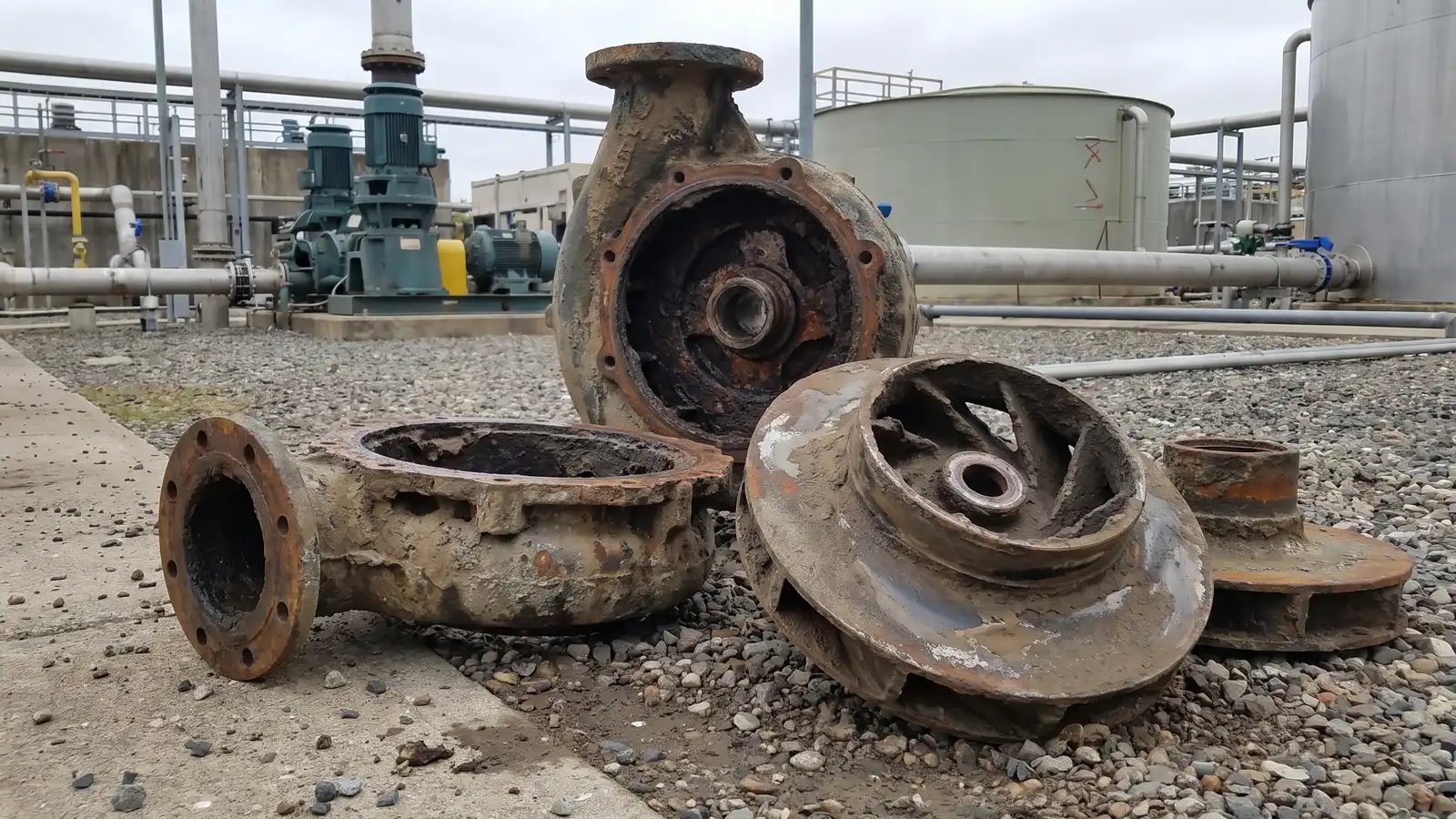
Impeller wear is the most common cause of reduced efficiency in slurry pumps handling abrasive materials. High-solids sludge contains particles that erode impeller surfaces with every rotation. This erosion increases the clearance between the impeller and the pump casing, reducing hydraulic efficiency.
As clearances grow, more slurry recirculates inside the pump instead of moving through the discharge. Your pump works harder to move less material. Energy consumption rises while production rates fall. In wastewater applications, this problem intensifies because sludge often contains grit, sand, and other abrasive particles.
Signs of impeller wear include reduced flow rate at the same motor speed, increased vibration, and unusual noise during operation. Regular inspection and timely replacement of wear components help maintain pump efficiency.
Why Does Air Entrainment Reduce Pump Efficiency?
One significant disadvantage of flooded suction pumps is their sensitivity to air entrainment. When the sludge mixture contains too much air or becomes too thick, air pockets can form in the pump chamber. These air pockets disrupt the pump's ability to maintain prime and move material consistently.
Air entrainment occurs when:
- Feed consistency varies, causing the sludge level to drop below the suction inlet
- The sludge is too thick, trapping air bubbles that do not release
- Vortexing at the suction inlet draws air into the pump
When air enters the pump, hydraulic efficiency drops immediately. The pump may surge, lose flow, or stop priming altogether. For municipal wastewater applications, where consistent flow is critical for treatment processes, air entrainment can disrupt entire operations.
What Role Does Cavitation Play in Efficiency Loss?
Cavitation occurs when vapor bubbles form and collapse rapidly inside the pump, causing mechanical damage and reduced performance. In flooded suction slurry pumps, cavitation typically happens when the Net Positive Suction Head (NPSH) available falls below what the pump requires.
High-solids sludge increases cavitation risk for several reasons. First, the higher viscosity of sludge creates more resistance in the suction line, reducing available NPSH. Second, solids can partially block suction passages, restricting flow. Third, temperature variations in wastewater can affect vapor pressure and cavitation thresholds.
Cavitation damage appears as pitting on impeller surfaces and volute walls. This damage accelerates wear and further reduces efficiency. If you hear a crackling or knocking sound from your pump, cavitation may already be occurring.
How Does Corrosion Impact Long-Term Pump Reliability?
Flooded suction pumps have liquid in contact with internal components at all times. This constant exposure promotes corrosion, particularly in wastewater applications where sludge may contain chemicals, biological agents, or varying pH levels.
Corrosion weakens metal components and creates rough surfaces that increase hydraulic friction. Corroded surfaces also become more susceptible to erosion from abrasive particles. The combination of corrosion and erosion accelerates component failure.
Selecting pumps built with corrosion-resistant materials extends service life. DAE Pumps constructs flooded suction pumps with high-quality materials designed to handle the demanding conditions of sludge pumping applications.
What Operational Factors Contribute to Efficiency Loss?
Beyond mechanical issues, how you operate your pumps affects their efficiency. Several operational factors can degrade performance in high-solids sludge applications:
Inconsistent feed rates: When sludge flow to the pump varies widely, the pump cannot operate at its optimal point on the performance curve. This leads to reduced efficiency and increased wear.
Running outside design parameters: Operating a pump at flow rates or pressures beyond its design specifications stresses components and reduces efficiency. Ensure your pump is sized correctly for your application.
Inadequate maintenance intervals: Waiting too long between inspections allows minor wear to become major problems. Regular maintenance catches issues early and prevents efficiency loss from progressing.
How Can You Evaluate Pumps for Better Sludge Performance?
When selecting flooded suction slurry pumps for high-solids sludge, several design features indicate better long-term reliability:
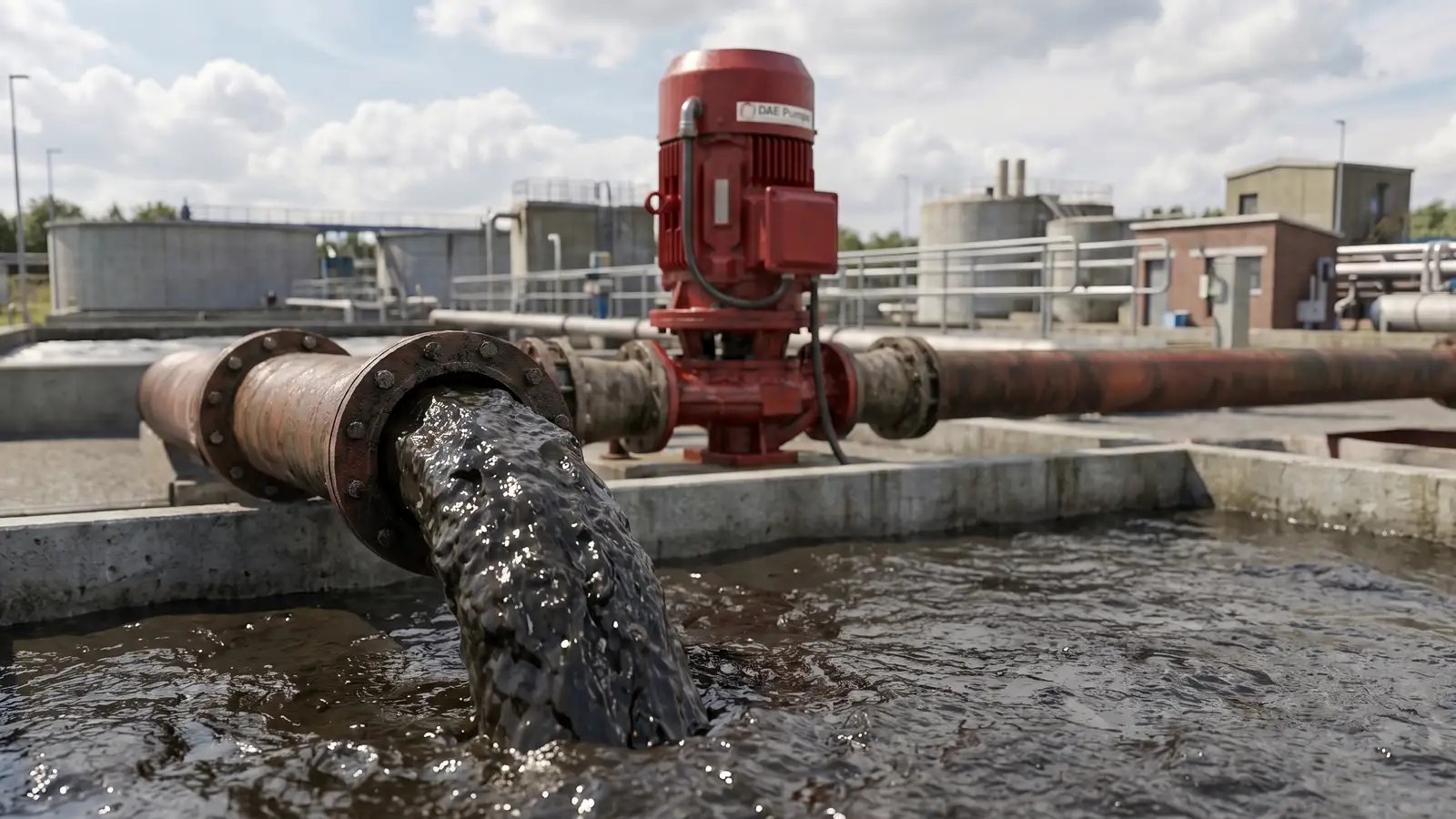 High tolerance between impeller and casing: Larger clearances allow pumps to handle bigger solids without clogging. DAE Pumps designs flooded suction pumps with high tolerance specifically for passing larger particles.
Non-clog impeller designs: Impellers designed to prevent clogging reduce downtime and maintain consistent flow rates. Look for pumps with open impeller designs that pass solids easily.
Wear-resistant construction: Pumps built with abrasion-resistant materials last longer in demanding applications. Materials like high-chrome alloys or hardened steel extend service life.
Easy maintenance access: Pumps designed for quick wear part replacement minimize downtime. Consider how easy it will be to inspect and service the pump before purchasing.
What Maintenance Practices Preserve Pump Efficiency?
Maintaining pump efficiency requires a proactive approach. These practices help prevent efficiency loss in flooded suction slurry pumps:
Regular wear inspections: Check impeller clearances, seal condition, and bearing wear at scheduled intervals. Replace components before they fail.
Monitor performance metrics: Track flow rate, discharge pressure, and power consumption over time. Changes in these metrics indicate developing problems.
Maintain consistent feed: Keep sludge levels stable and feed rates consistent to prevent air entrainment and ensure the pump operates at its design point.
Address vibration promptly: Increased vibration indicates impeller imbalance, misalignment, or bearing wear. Investigate and correct the cause before further damage occurs.
DAE Pumps offers pump specifications and technical resources to help you establish effective maintenance programs for your slurry pumping equipment.
When Should You Consider Alternative Pump Types?
While flooded suction pumps work well for many sludge applications, certain conditions may indicate a different pump type would perform better. Consider alternative designs when:
- Air entrainment problems persist despite operational adjustments
- Sludge viscosity varies dramatically, making consistent priming difficult
- Installation space does not allow proper gravity feed to the pump
- The application requires frequent starting and stopping
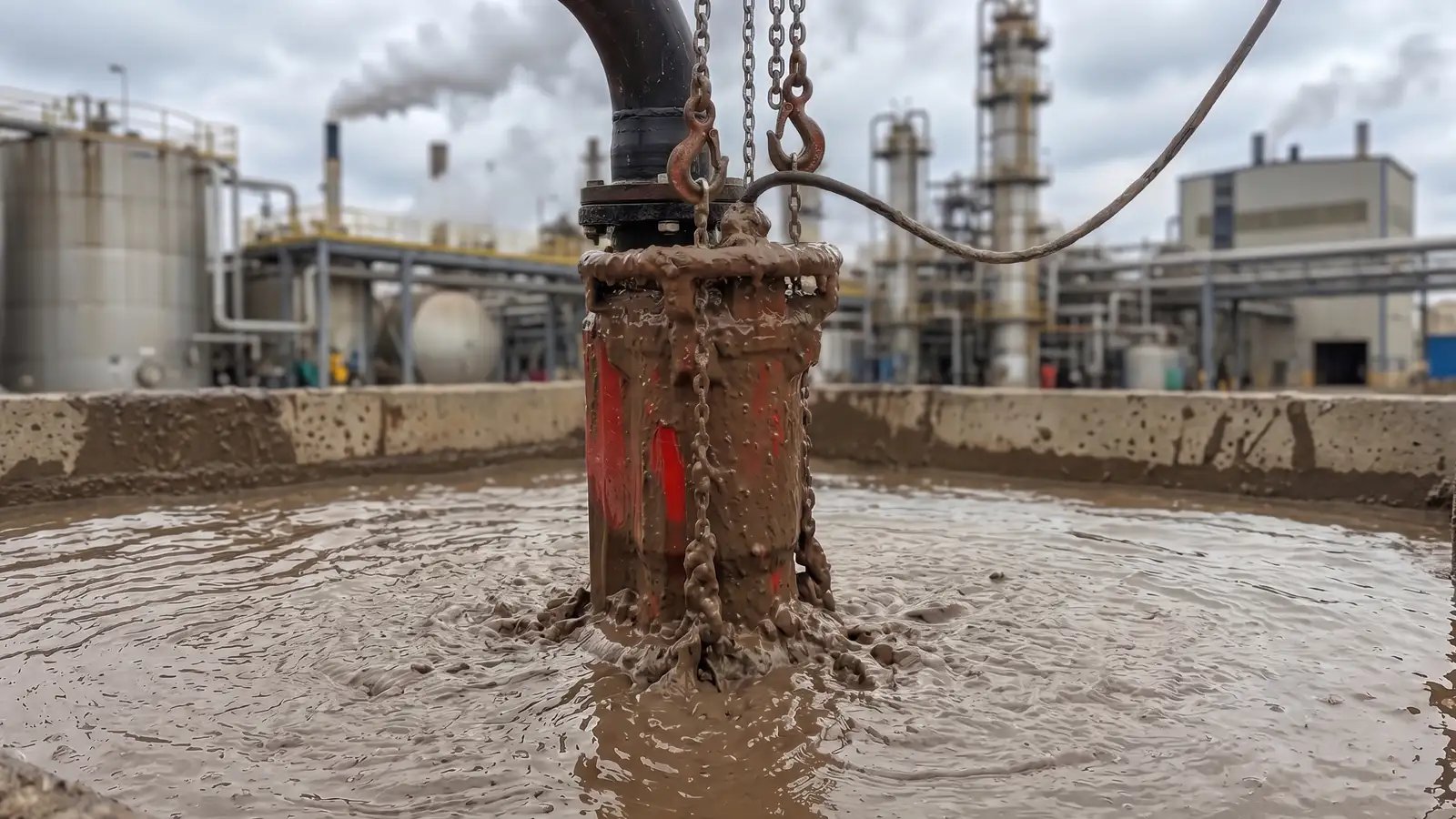 Submersible slurry pumps eliminate priming concerns by operating directly in the sludge. Self-priming pumps can handle situations where the suction inlet may not always be submerged. DAE Pumps offers both options for applications where flooded suction designs are not ideal.
In Conclusion: Preventing Efficiency Loss in Your Sludge Pumps
Flooded suction slurry pumps lose efficiency primarily through impeller wear, air entrainment, cavitation, and corrosion. Understanding these mechanisms helps you select better equipment and implement maintenance practices that preserve performance.
For municipal water and wastewater plant managers, choosing pumps designed for high-solids handling makes a significant difference in operational reliability. DAE Pumps manufactures flooded suction pumps with non-clog impellers, high tolerance clearances, and wear-resistant construction specifically for demanding sludge applications.
If you are evaluating pump options or troubleshooting efficiency problems in your current equipment, contact DAE Pumps for application support and pump selection guidance.
FAQs About Why Flooded Suction Slurry Pumps Lose Efficiency
What is the most common cause of efficiency loss in flooded suction slurry pumps?
Impeller wear from abrasive solids is the most common cause. As particles erode impeller surfaces, clearances increase between the impeller and casing. This allows slurry to recirculate inside the pump rather than moving through the discharge. DAE Pumps builds flooded suction pumps with wear-resistant materials to extend service life in abrasive applications.
How does air entrainment affect flooded suction pump performance?
Air entrainment occurs when air pockets form in the pump chamber, disrupting priming and reducing hydraulic efficiency. Thick sludge, inconsistent feed levels, or vortexing at the suction inlet can introduce air. DAE Pumps recommends maintaining consistent sludge levels and monitoring feed rates to prevent air entrainment problems.
What are the signs of cavitation in a slurry pump?
Cavitation produces a crackling or knocking sound during pump operation. You may also notice reduced flow rates, increased vibration, and pitting damage on impeller surfaces. Addressing NPSH issues and ensuring proper suction conditions helps prevent cavitation in flooded suction slurry pumps.
How often should wear components be inspected in sludge pumps?
Inspection frequency depends on your specific application and operating conditions. High-solids sludge with abrasive particles requires more frequent checks. DAE Pumps recommends establishing a baseline inspection schedule and adjusting based on observed wear rates and performance changes.
Can flooded suction pumps handle all types of sludge?
Flooded suction pumps handle many sludge types effectively, but extremely thick sludge may cause priming issues. When sludge viscosity varies dramatically or contains high air content, submersible or self-priming pump designs may perform better. DAE Pumps offers multiple pump types to match different sludge handling requirements.