
Smart pump monitoring reduces downtime by detecting the physical changes that precede a failure — rising vibration, increasing motor current, higher bearing temperature, or falling flow — and giving the maintenance team enough warning to intervene on a planned basis instead of an emergency one. The sensors themselves are not new. What has changed is the cost of collecting the data continuously, transmitting it wirelessly, and turning it into an alert someone actually sees. This article explains what a pump monitoring system measures, how the data becomes a maintenance decision, what to evaluate before investing, and where continuous monitoring genuinely pays for itself in slurry, dredging, and dewatering operations.
Why Pump Failures Are Rarely a Surprise
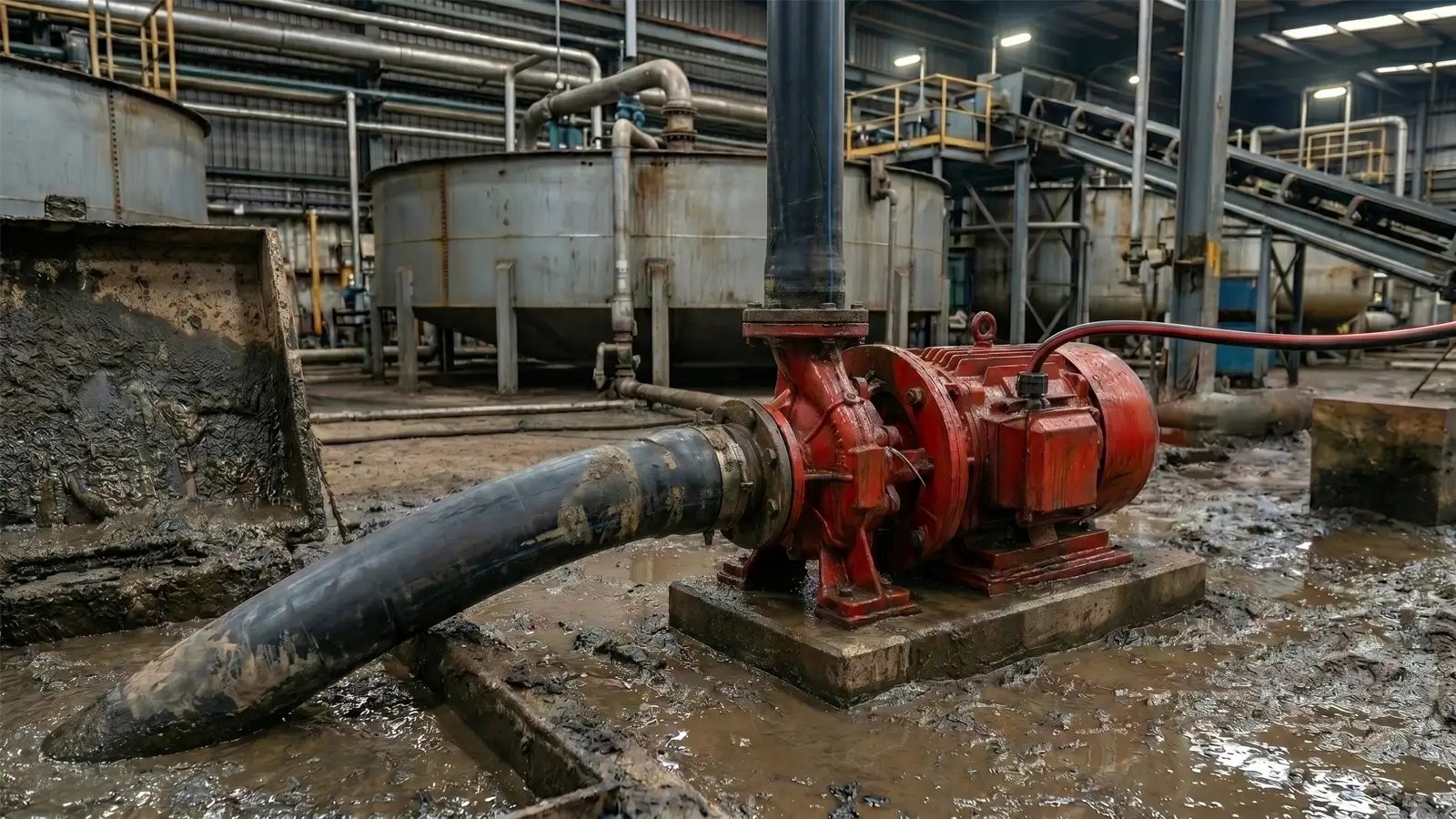
Most pump failures develop over days or weeks. A bearing begins to spall and vibration rises long before the noise is audible. An impeller wears in an abrasive slurry and flow drops gradually while power draw shifts. A seal starts to leak and temperature climbs before the motor trips. A suction line partially blocks and the pump begins to cavitate, damaging itself steadily while still appearing to run.
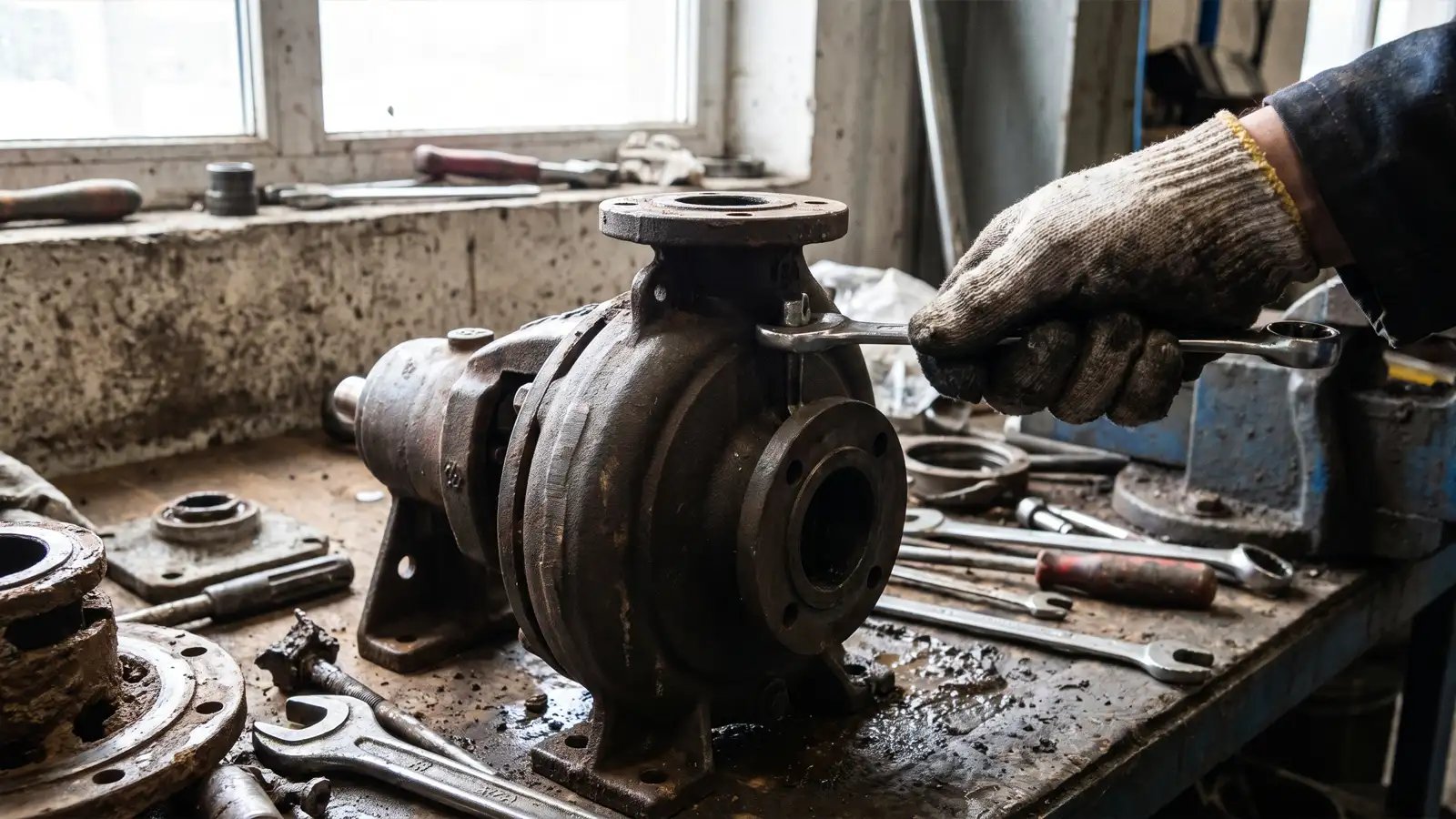 The information was always there. The problem is that on most sites nobody is looking at it continuously. A pump is checked on a walk-through, when an operator notices something, or when it stops. In dredging, dewatering, and mining operations, pumps are often submerged, remote, or spread across a site, which makes routine manual checks difficult and infrequent.
The cost of that gap is not the pump. It is the shutdown around it. A dewatering pump failure can flood a work area. A dredge pump failure stops production for the whole spread while a crew mobilizes to pull and inspect it. A tailings transfer pump failure can back up an entire process line. Replacement parts and labor are usually a small fraction of the total cost of an unplanned stop.
There is a second, quieter cost: over-maintenance. Facilities that cannot see equipment condition tend to compensate with calendar-based schedules, pulling pumps and replacing wear parts on a fixed interval regardless of actual condition. That consumes labor and parts on equipment that did not need attention, and it introduces failure risk every time a healthy machine is reassembled.
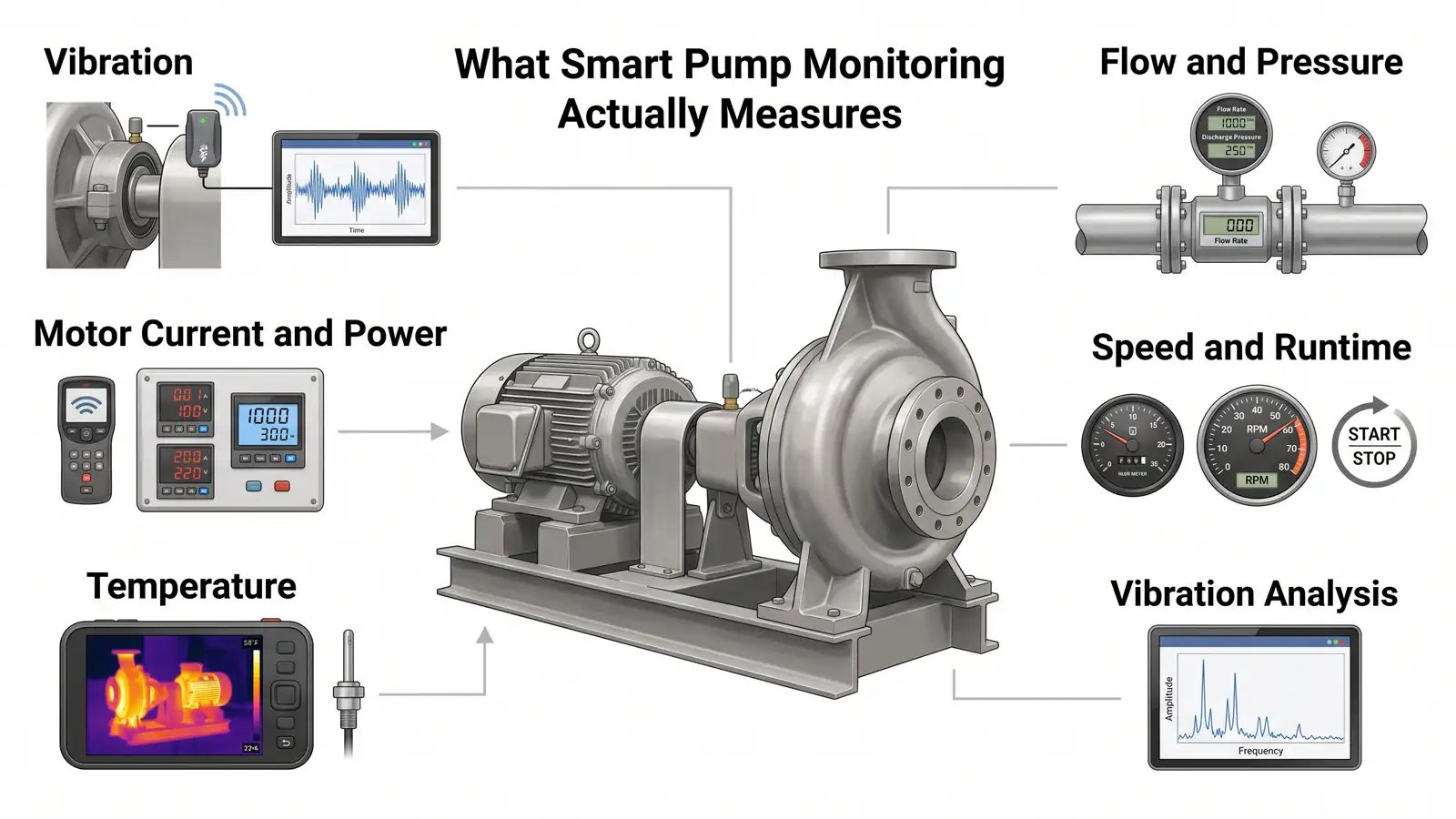
What Smart Pump Monitoring Actually Measures
The term covers a range of setups, from a single sensor with a local alarm to a full plant system feeding a dashboard. What they share is continuous measurement of physical parameters and an automatic comparison against a known baseline.
Vibration
Vibration is the most informative single measurement for rotating equipment. Bearing wear, impeller imbalance, misalignment, looseness, and cavitation each produce characteristic changes in vibration amplitude and frequency. A simple system watches overall vibration level and alarms on a threshold. A more capable one performs frequency analysis and can distinguish a bearing defect from an imbalance, which changes what the crew prepares before they go out.
Motor Current and Power
Motor current is a useful proxy for what is happening hydraulically. A worn impeller, a partially blocked suction, a change in slurry density, or a closed discharge valve all change the load the motor sees. Current monitoring is often the easiest place to start because the measurement is taken at the control panel rather than at the pump, which matters for submersible and remote installations where mounting a sensor on the pump itself is impractical.
Temperature
Bearing and motor winding temperature rise ahead of many failures. On submersible pumps, temperature and moisture sensing in the motor and seal chamber are common built-in protections. The value of connecting them to a monitoring system is not just the trip, but the trend leading up to it.
Flow and Pressure
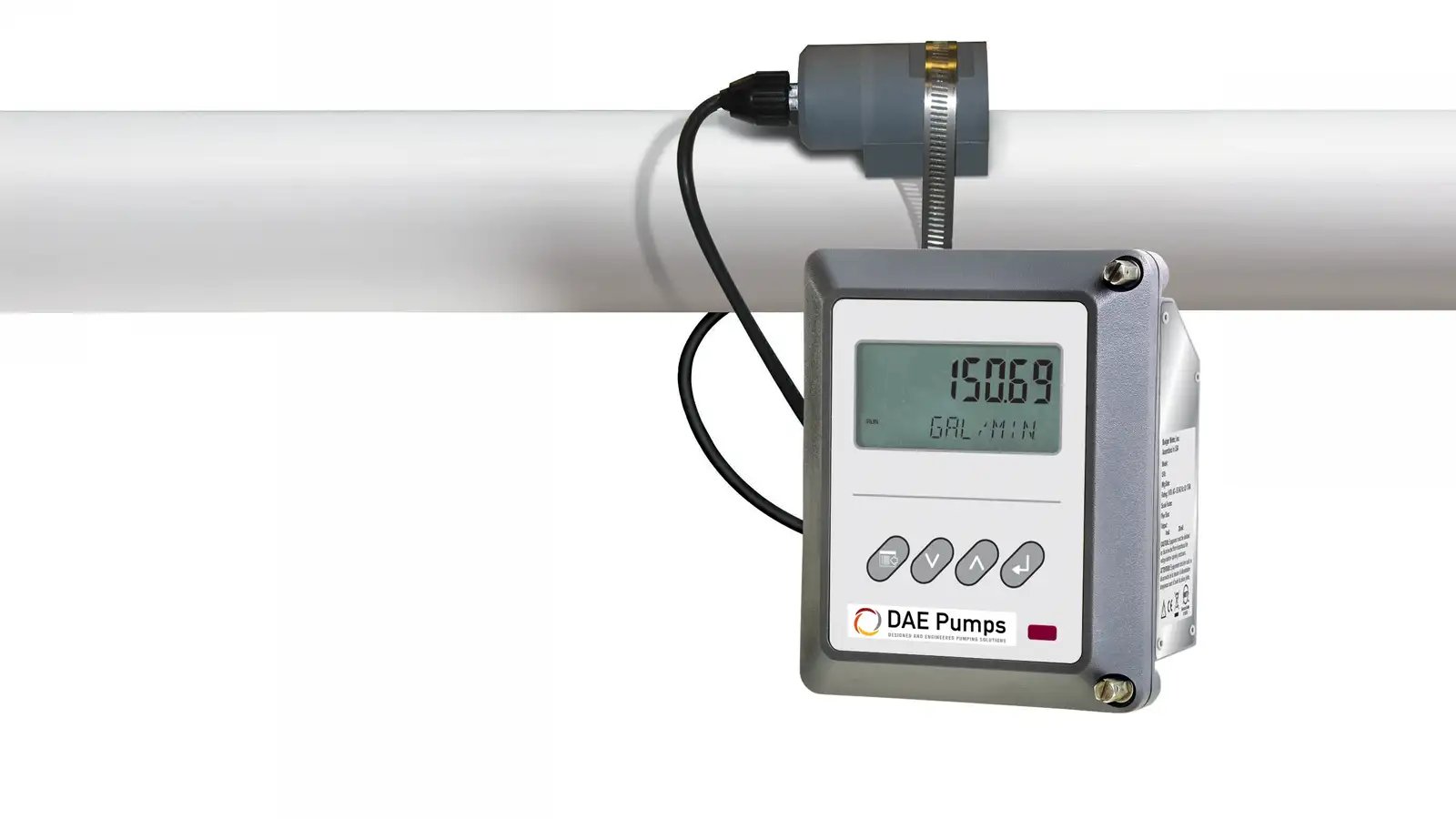
Flow and discharge pressure describe whether the pump is doing its job. A gradual drop in flow at the same speed and power usually means wear or partial blockage. In slurry service this is particularly useful, because clean-water performance and actual performance diverge as the impeller and liners wear. Clamp-on ultrasonic meters allow flow measurement without cutting into the pipeline, which suits temporary and mobile setups.
Speed and Runtime
Runtime hours, start counts, and speed data provide context that makes the other measurements interpretable. A vibration reading means little without knowing what speed the pump was running at, and frequent starts and stops cause wear that hours alone do not capture.
Where the IoT Part Comes In
The sensing is conventional instrumentation. What distinguishes a modern system is the path the data takes: readings are collected at the pump by a local controller or gateway, transmitted by wireless or cellular link, stored where trends can be compared over time, and pushed to whoever needs to act as an alert rather than a report someone must open.
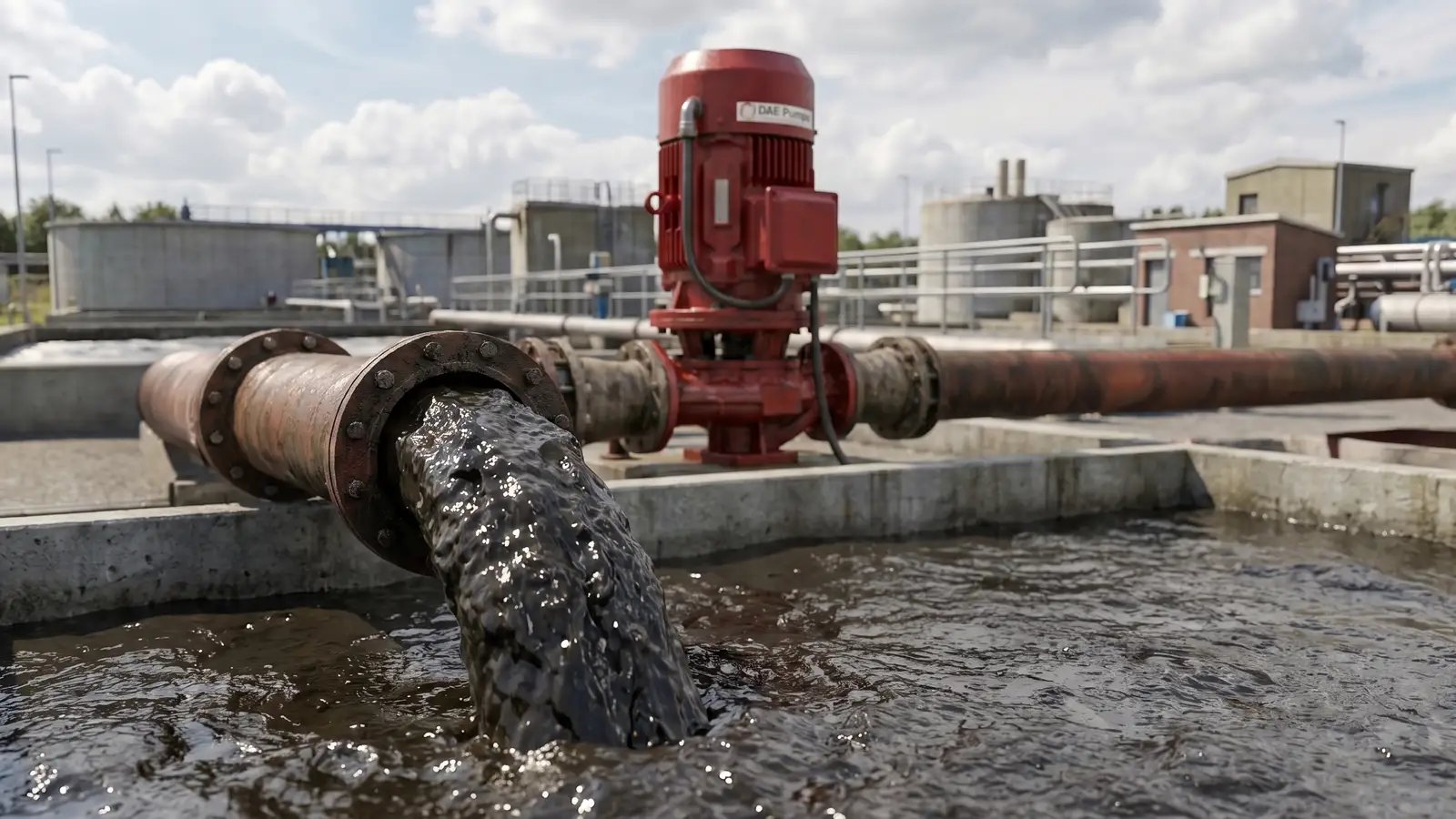
For industrial pump sites this matters more than it sounds. Pumps sit in sumps, pits, ponds, and remote corners where running signal cable is expensive or impossible. Wireless transmission and battery or solar-powered nodes are often what make monitoring practical at all.
From Data to Decision
Collecting data is straightforward. Acting on it is where programs succeed or fail. It helps to be clear about which of three approaches you are actually implementing.
Condition monitoring means measuring parameters and alarming when they cross a threshold. It is well understood, relatively inexpensive, and delivers most of the practical benefit for most operations.
Predictive maintenance means using trends to estimate remaining useful life and schedule intervention before failure. It requires enough history to establish what normal looks like under varying duty, which in slurry service takes time because the duty itself varies.
Analytics and machine learning approaches attempt to identify failure patterns automatically across a fleet. These need substantial data volume and consistent operation to be meaningful. They are a reasonable goal, but they are not the starting point for a site that currently has no instrumentation at all.
The common failure mode in all three is alarm fatigue. A system that generates frequent alerts that turn out to be nothing gets ignored, and once ignored it provides no protection. Thresholds should be set from measured baselines at the actual duty point, then tightened as confidence grows, rather than set aggressively from day one.
What to Evaluate Before Investing in Pump Monitoring
Before specifying a system, work through the following:
- Which pumps carry the highest consequence of failure, in production loss and safety, rather than which are easiest to instrument
- What the realistic failure modes are on those pumps, since the failure mode determines which parameter is worth measuring
- Whether the installation is fixed or mobile, and how often equipment is relocated
- Power availability at each sensor location, including battery and solar options
- Network coverage on site, including cellular signal in pits, tunnels, and remote areas
- Enclosure and ingress protection requirements for the environment, including submersion
- Whether the pump is submersible, which limits where sensors can physically be mounted
- Who will receive alerts, who is authorized to act, and what the response procedure is
- Whether the data needs to integrate with an existing SCADA, PLC, or maintenance management system
- Total cost including sensors, gateways, connectivity subscriptions, installation labor, and ongoing calibration
Two points deserve emphasis. First, monitoring does not reduce wear. In abrasive slurry service, the impeller and wear parts will still erode; monitoring tells you when, so the replacement happens on your schedule. Second, a monitoring program with no defined response procedure produces data and nothing else. Decide who acts on an alert before the first sensor is installed.
Comparing Maintenance Approaches
Most sites end up running more than one approach at once, matching the method to the consequence of failure rather than applying a single policy everywhere.
|
Approach |
Advantages |
Limitations |
Best-Fit Use Case |
|---|---|---|---|
|
Reactive (run to failure) |
No monitoring cost; no planning overhead |
Highest unplanned downtime; risk of collateral damage |
Low-consequence, low-cost, easily replaced pumps |
|
Scheduled preventive |
Simple to plan, budget, and administer |
Replaces parts with life remaining; misses failures between intervals |
Stable, predictable duty with known wear rates |
|
Condition-based monitoring |
Catches developing problems; reduces unnecessary teardowns |
Sensor, installation, and threshold setup cost |
Critical pumps where failure is expensive or access is difficult |
|
Predictive analytics |
Longest planning window; supports fleet-level insight |
Needs historical data, consistent duty, and skilled interpretation |
Pump fleets and higher-value fixed installations |
Where Monitoring Pays Off, and Where It Does Not
Monitoring earns its cost fastest where failure is expensive, and access is difficult. Mine dewatering and tailings transfer, municipal wastewater lift stations, dredging spreads where a stopped pump idles an entire crew, oil and gas water handling, and continuous process duty in paper and pulp all fit this description. In these cases, a single avoided unplanned stop can justify the installation.
It pays off more slowly on small, low-cost, easily accessed pumps operating intermittently, where replacing the unit is cheaper than instrumenting it. It is also a poor fit where the underlying problem is selection rather than condition. A pump that is undersized for its duty, running far from its best efficiency point, or handling solids beyond its design will keep failing regardless of how well it is monitored. Monitoring will tell you the pump is struggling. It will not fix a specification error, and the correct response in that case is a review of the pump selection, not a better dashboard.
Short-duration rental and project work is a middle case. Monitoring can be valuable when the project is long enough to establish a baseline, and the site is remote, and unnecessary when a crew is already on site daily.
How DAE Pumps Fits Into a Monitoring Program
DAE Pumps supplies the pumps, drives, and instrumentation that a monitoring program is built around rather than a proprietary software platform, and for most buyers that distinction is useful. The measurement points that make monitoring work are largely determined by the equipment already installed.
Bear variable frequency drives include built-in motor load, pump control, and protection logic without requiring additional relays, contactors, or a separate PLC, and the drive display provides operating parameters directly. Because the drive already sees motor speed, load, and fault conditions, it is often the most practical starting point for monitoring an electrically driven pump, particularly on retrofits.
UFM1000 clamp-on ultrasonic flow meters measure flow non-intrusively on metal or plastic pipe and hose, with output options including 4-20mA, rate pulse, and dual relay, which allows the reading to feed a controller or monitoring system rather than only a local display. Non-intrusive measurement is useful in slurry service where inserting a meter into the line creates a wear and blockage point. Confirm output configuration and enclosure ratings against current specifications before publishing.
Beyond hardware, the more important contribution is often pump selection itself. Monitoring a well-matched slurry pump produces stable trends and meaningful alerts. Monitoring a poorly matched one produces constant alarms that reflect a specification problem. Reviewing the duty point, solids concentration, particle size, discharge distance, and elevation with an application engineer is what makes the resulting data worth collecting.
Frequently Asked Questions
What is smart pump monitoring?
Smart pump monitoring is the continuous measurement of pump operating parameters such as vibration, motor current, temperature, flow, and pressure, combined with automatic comparison against a baseline and alerting when conditions change. The data is typically transmitted wirelessly so it can be reviewed remotely.
Which parameter should I monitor first?
For most electrically driven pumps, motor current is the practical starting point because it responds to a wide range of hydraulic and mechanical problems and can be measured at the control panel rather than at the pump. Vibration adds the most diagnostic detail where sensors can be mounted.
Can submersible pumps be monitored?
Yes, though sensor placement is constrained. Submersible pumps commonly include built-in temperature and moisture sensing in the motor and seal chamber. External measurements such as motor current, flow, and discharge pressure are usually taken above the surface.
How much warning does monitoring actually provide?
It varies by failure mode. Bearing degradation and progressive wear often develop over weeks and give substantial warning. Sudden mechanical damage from a large solid entering the pump gives very little. Monitoring shifts a meaningful proportion of failures from unplanned to planned, but it does not eliminate unplanned stops.
Does monitoring replace scheduled maintenance?
Not entirely. It typically allows intervals to be extended and teardowns to be targeted, but routine inspection, lubrication, and wear part replacement remain necessary in abrasive service.
What if there is no network coverage at the pump?
Cellular gateways, local data logging with periodic collection, and store-and-forward systems are common alternatives. Confirm coverage during site assessment rather than after purchase, since it frequently determines the architecture.
Is monitoring worth it on rental or short-term equipment?
Sometimes. It is most useful on longer projects at remote sites where a failure would be costly to respond to. On short jobs with daily crew presence, the baseline period may exceed the project duration.
Will monitoring reduce wear in abrasive slurry?
No. Abrasive wear is a function of material, velocity, and pump design. Monitoring detects the effects of wear so replacement can be planned, but reducing wear itself requires appropriate materials, correct sizing, and suitable operating velocity.
Talk to DAE Pumps About Your Application
The pumps worth monitoring are the ones where failure is expensive and access is difficult, and the measurements worth taking are the ones that match how those pumps actually fail. Both questions are easier to answer with the duty point, material, and site conditions in front of you.
Send DAE Pumps your application details, material and solids concentration, flow and head requirements, discharge distance, power available, and installation type, and the team can help match the right pump, drive, and instrumentation for the job, including rental options for project work. Contact the DAE Pumps team or request a quote for your project.