Slurry Pumps for Lithium Mining: Hard-Rock, Brine, and DLE Applications
Lithium mining operations do not rely on one universal pump. Hard-rock spodumene plants need abrasion-resistant slurry pumps for ore pulp, flotation circuits, thickener underflow, sumps, and tailings. Brine and direct lithium extraction (DLE) projects require pumps selected primarily for chemical compatibility, corrosion resistance, pressure, temperature, and process control. The correct pump depends on whether the duty involves abrasive solids, corrosive brine, precipitated salts, viscous underflow, or clean process water.
Lithium demand continues to grow alongside electric vehicles and battery storage, increasing pressure on mining and processing teams to maintain reliable material movement. Pump selection affects far more than flow rate. A poor match can create accelerated wear, corrosion, clogging, unstable feed conditions, lost production, and higher total cost of ownership.
What Type of Pump Is Used in Lithium Mining?
Hard-rock lithium processing commonly uses slurry pumps for grinding and classification circuits, flotation transfer, thickener underflow, sumps, concentrate handling, and tailings. Brine and DLE operations typically use corrosion-compatible centrifugal or process pumps for brine transfer, with slurry or positive displacement pumps used where precipitated salts, high-solids waste, viscosity, or controlled flow requires them.
Why Lithium Pump Selection Requires Two Different Strategies
Lithium is commonly produced from two very different resource types: hard-rock minerals and lithium-bearing brines. Both require reliable pumping, but the materials do not behave the same way.
- Hard-rock spodumene processing creates abrasive ore pulp and tailings that can erode impellers, liners, casings, seals, and pipelines.
- Lithium brine and DLE systems move chemically aggressive fluids where chloride content, temperature, dissolved minerals, scaling, and wetted-material compatibility may be more important than abrasion.
- Impurity-removal and precipitation stages can create slurry-like waste streams that require solids-handling pumps even within a primarily brine-based operation.
DAE Pumps' mining pump applications cover mineral slurry transfer, mine dewatering, thickener underflow, tailings, leachates, and wastewater processing. However, the operating data for each stream must determine the final pump configuration.
Where Slurry Pumps Are Used in Hard-Rock Spodumene Processing
Hard-rock lithium plants typically crush and grind spodumene-bearing ore before separation and concentration. Depending on the flowsheet, processing may include dense media separation, classification, flotation, thickening, filtration, and tailings management. Slurry pumps move material between many of these stages.
 Grinding and Classification Circuits
Ground ore is mixed with water to form pulp, then transferred to classifiers or hydrocyclones. Stable pump flow and pressure help the classification equipment maintain its intended separation performance. Abrasion resistance, suction conditions, and the ability to handle variable particle loading are central selection factors.
Desliming, Thickening, and Underflow Transfer
Fine clay-like material may need to be removed before flotation, while thickeners increase solids concentration before the next processing or dewatering step. Thickener underflow can be dense and difficult to move. Pump selection should account for viscosity, yield behavior, solids concentration, particle size, required flow, discharge pressure, and the risk of settling in the pipeline. Depending on the application, a flooded suction pump or a positive displacement pump may be considered after the system conditions are reviewed.
Flotation Feed and Interstage Transfer
Flotation circuits depend on consistent feed conditions. Pumps may move slurry to rougher, cleaner, or scavenger cells and transfer material between stages. Pump speed, air entrainment, froth behavior, and changing solids concentration can affect actual performance.
Concentrate and Tailings Handling
Spodumene concentrate and tailings are commonly thickened and dewatered after separation. Tailings can represent one of the largest material streams at the site, so reliability, wear life, pipeline velocity, and maintenance access can directly affect production continuity.
Sumps, Settling Ponds, and Emergency Collection Areas
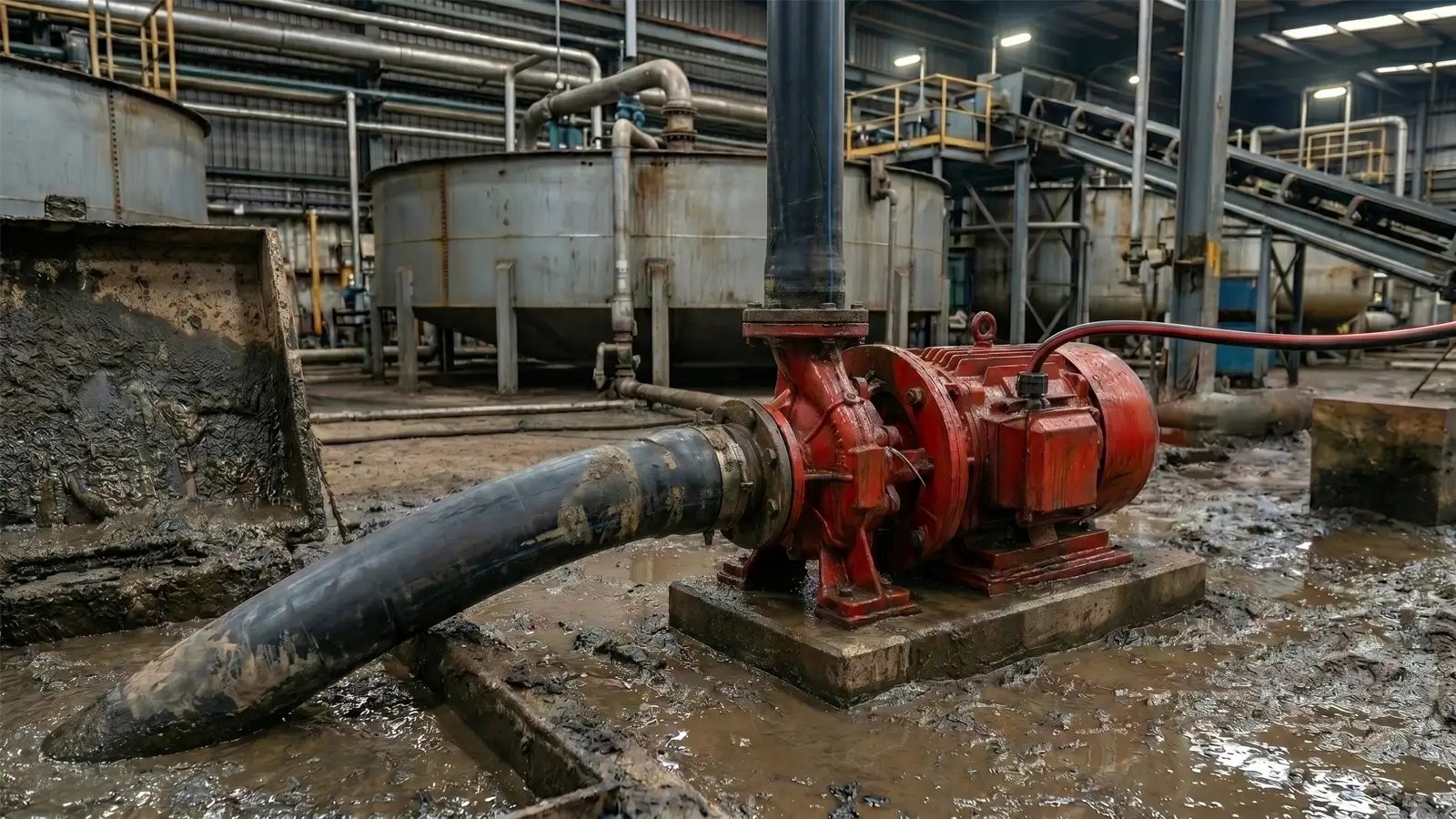
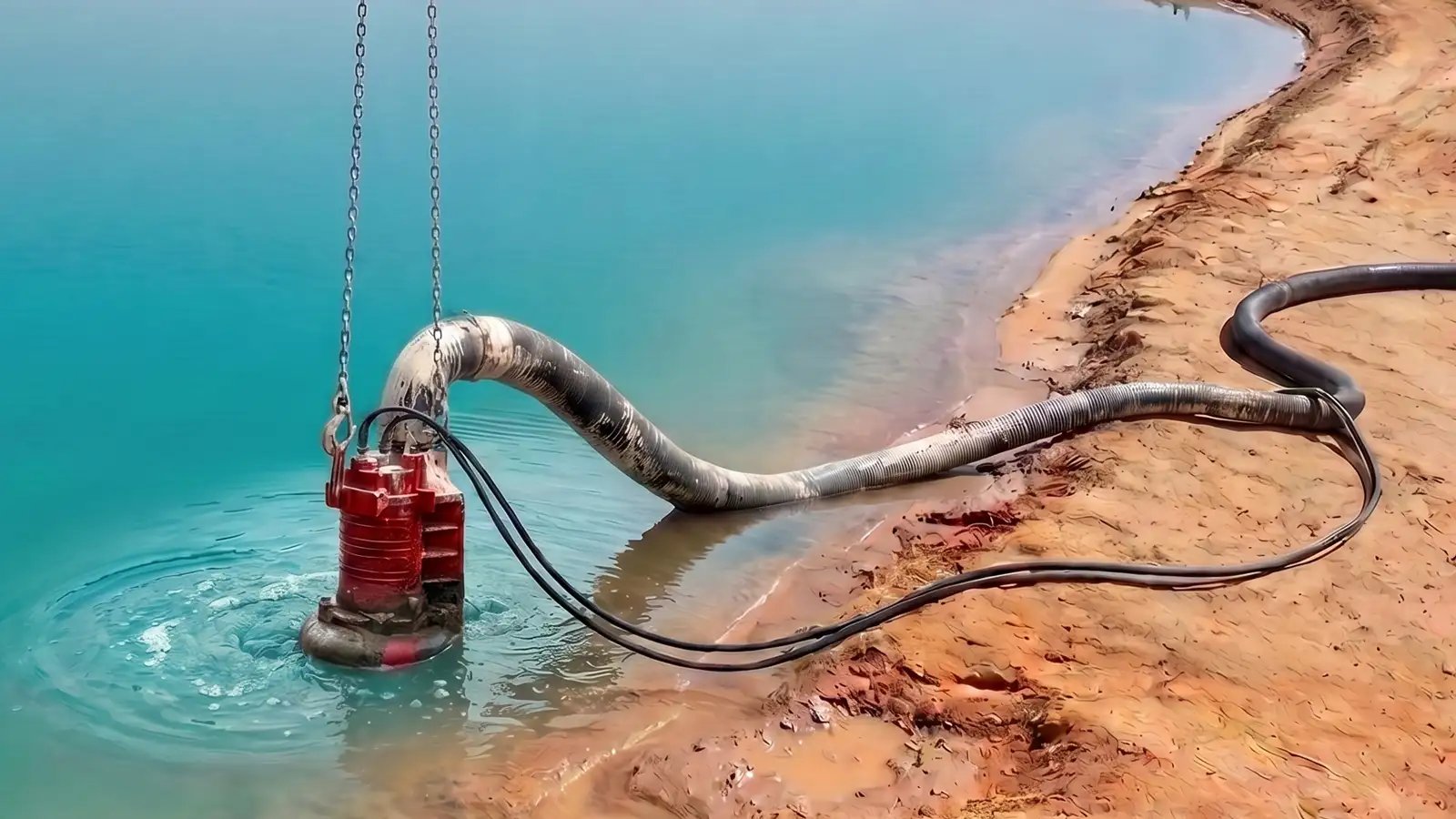
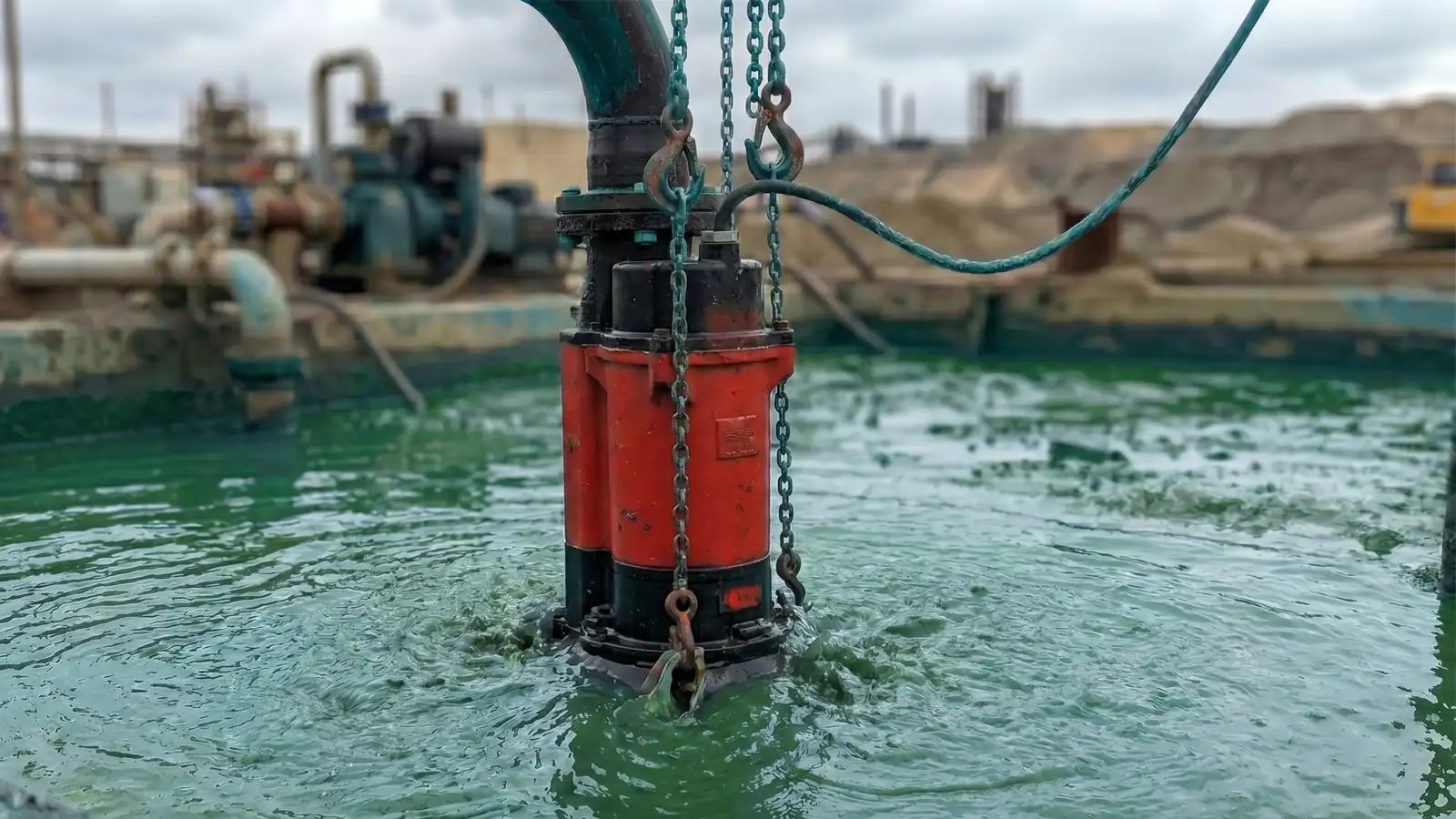
Submersible slurry pumps are often useful where solids settle in sumps, basins, ponds, or low points in the plant. Because the pump sits in the material, there is no suction lift to overcome. Agitator-equipped models can help loosen settled solids, but pump size, solids passage, head, cable protection, and wear materials must still be matched to the duty.
Where Pumps Are Used in Lithium Brine and Direct Lithium Extraction
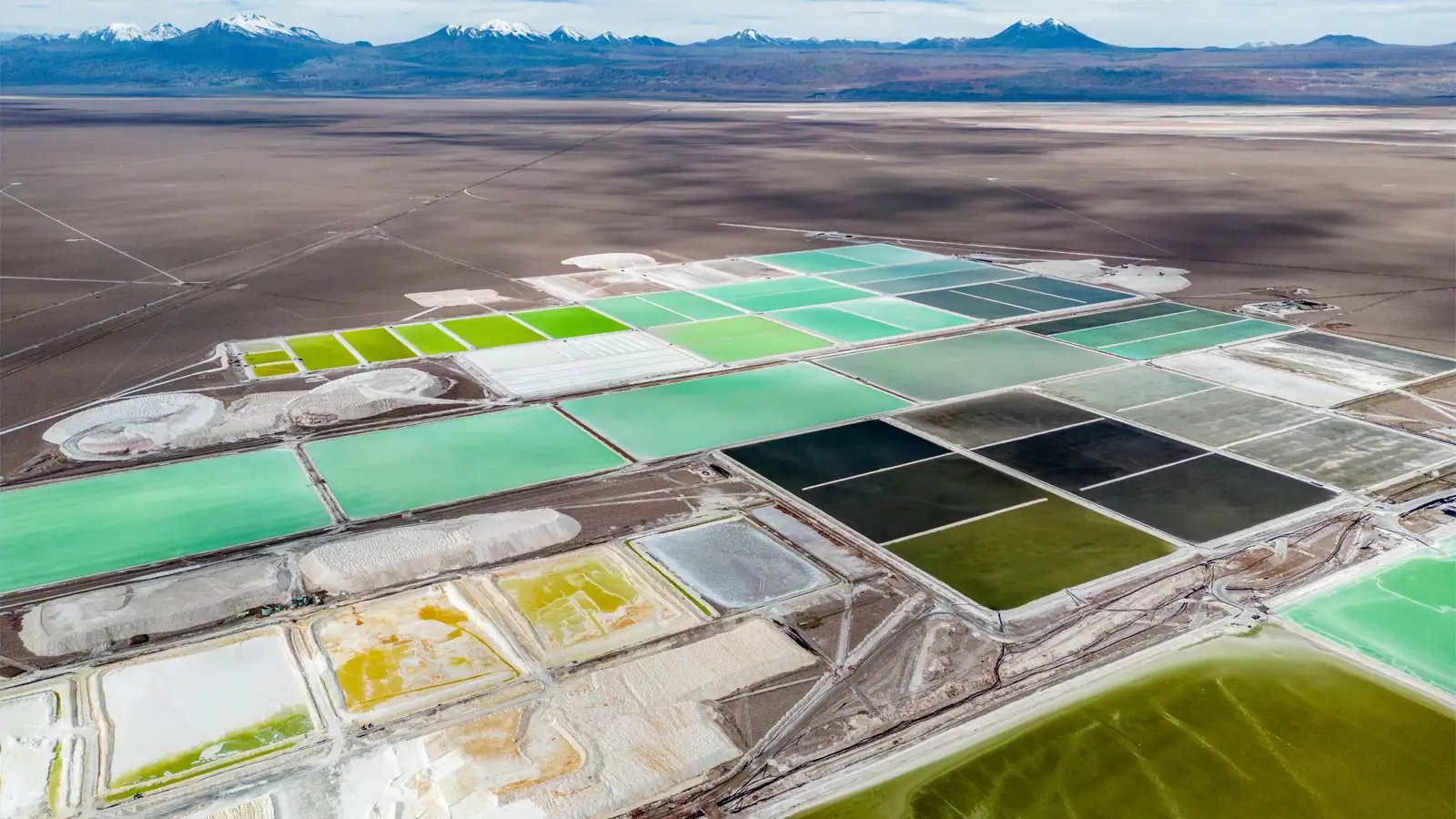
Lithium brine operations create a different set of pump requirements. Conventional evaporation projects move brine from wells or collection systems through ponds and processing stages. Direct lithium extraction systems route brine through pretreatment and selective recovery processes such as adsorption, ion exchange, membranes, or solvent-based separation before the lithium-depleted brine is managed or reinjected.
Brine Extraction and Transfer
A lithium brine pump must be selected for the actual chemistry, temperature, pressure, gas content, and flow requirement. Chlorides and other dissolved salts may create corrosion or scaling risks. A pump advertised for abrasive slurry is not automatically suitable for lithium brine; wetted materials, coatings, seals, shaft materials, cables, and fasteners all require compatibility review.
Pond-to-Pond Transfer
Where evaporation ponds are used, transfer pumps may move large volumes of brine between stages. Self-priming pumps or flooded suction centrifugal pumps may be practical depending on the site layout, lift, piping, available power, and maintenance access. If precipitated salts or settled solids are present, the pump must also have appropriate solids-handling capability.
Direct Lithium Extraction Feed and Process Service
DLE pumps may serve brine feed, pretreatment, circulation, wash, eluate, chemical dosing, waste transfer, and reinjection-related duties. These are not all slurry services. Some require corrosion-resistant centrifugal pumps, while others may require positive displacement pumps for controlled flow, higher pressure, or more viscous streams. The process technology provider's fluid specifications should drive final selection.
Impurity Precipitates and Waste Slurry
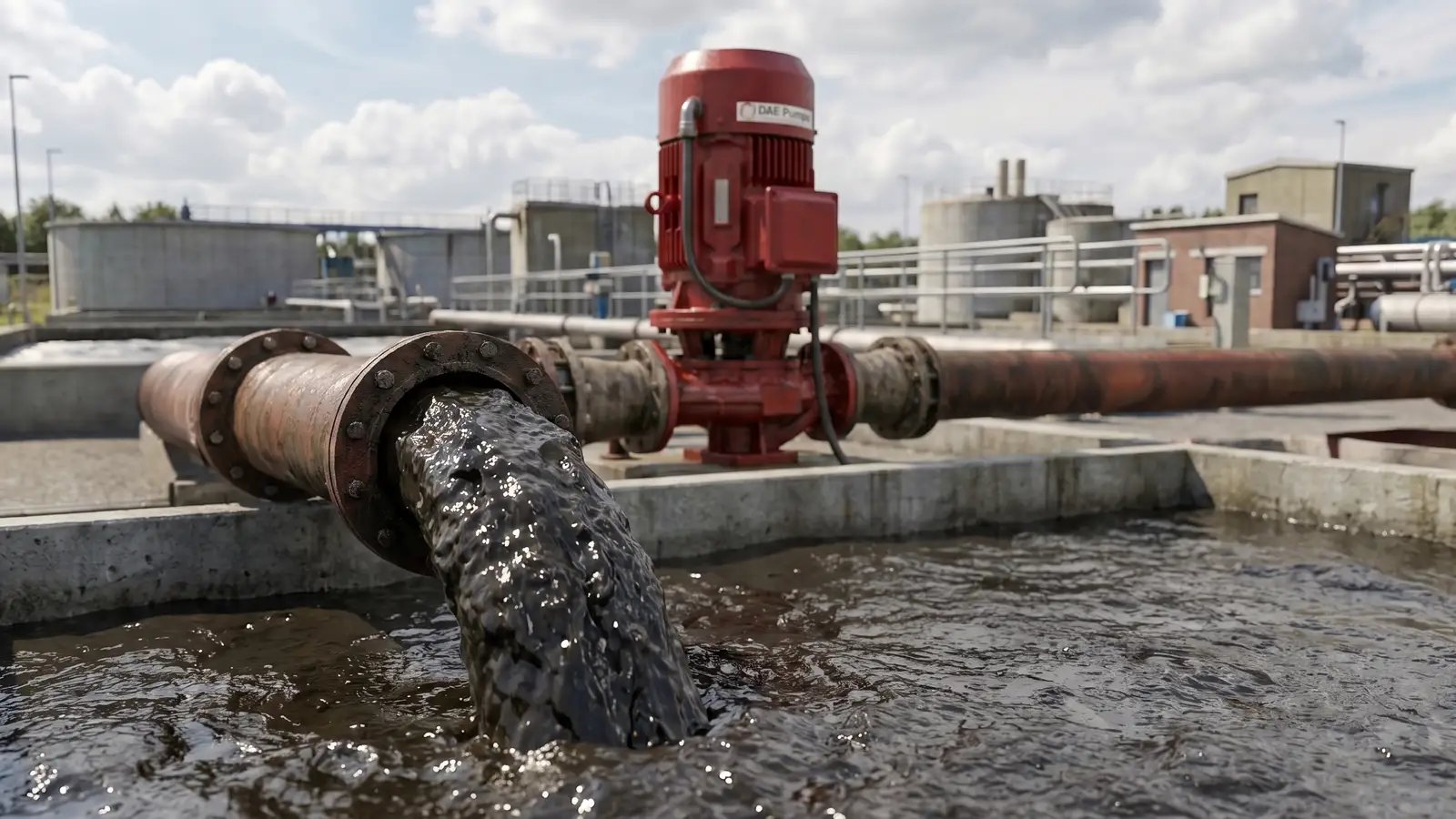
Removing magnesium, calcium, sulfate, silica, or other impurities can produce precipitated solids and sludge. These streams may behave more like conventional mineral-processing slurry and can require submersible slurry pumps, flooded suction pumps, or positive displacement pumps depending on solids concentration, viscosity, particle characteristics, and discharge requirements.
Which Pump Type Fits Which Lithium Application?
|
Pump Configuration |
Typical Lithium Application |
Why It Fits |
Important Limits |
|
Submersible slurry pump |
Plant sumps, tailings basins, settling ponds, emergency collection, abrasive solids cleanup |
Operates directly in the material; no priming; available with solids-handling and agitator options |
Requires removal for major service; verify head, solids size, cable, seal, pH, and temperature limits |
|
Flooded suction centrifugal pump |
Tank discharge, thickener service, fixed continuous transfer with gravity-fed suction |
Stable flooded inlet can support continuous plant duty and higher flow |
Must be protected from corrosion, cavitation, settling, and off-curve operation |
|
Self-priming surface pump |
Portable transfer, pond service, temporary bypass, dewatering, changing project locations |
Accessible for inspection and can be skid- or trailer-mounted |
Suction lift, air leaks, prime time, slurry density, and solids concentration can limit performance |
|
Positive displacement pump |
Viscous streams, controlled flow, chemical dosing, high-pressure or thickened material after review |
Provides controlled flow and can handle higher viscosity than many centrifugal designs |
Pump style and materials must match abrasiveness, solids size, chemistry, and required flow |
|
Corrosion-compatible process pump |
Lithium brine extraction, DLE feed, circulation, eluate, wash, and reinjection-related service |
Selected around chemistry, pressure, temperature, sealing, and process control |
Not every process pump handles solids; not every slurry pump is suitable for aggressive brine |
 What Buyers Should Evaluate Before Selecting a Lithium Mining Pump
|
Selection Factor |
What to Confirm |
|
Fluid and solids data |
Identify whether the duty is ore pulp, tailings, brine, precipitated salts, sludge, reagent, process water, or another stream. |
|
Solids concentration |
Document whether the value is by weight or volume. Dense underflow and dilute flotation feed require different pump behavior. |
|
Particle size and shape |
Coarse or angular solids increase wear, impact loading, settling risk, and required passage size. |
|
Chemistry and pH |
Provide chloride, sulfate, magnesium, calcium, silica, acid, alkali, and other chemistry that affects wetted materials and seals. |
|
Temperature and gas content |
Hot brine, dissolved gas, flashing, and air entrainment can alter suction performance and sealing requirements. |
|
Required flow and total dynamic head |
Calculate elevation, pipe length, friction, fittings, valves, slurry corrections, and discharge pressure. |
|
Suction conditions and NPSH |
Review flooded suction, submergence, suction lift, inlet restrictions, altitude, and vapor pressure. |
|
Pipeline velocity |
Maintain enough velocity to avoid settling without creating unnecessary wear or energy consumption. |
|
Installation and access |
Define whether the pump is submerged, surface-mounted, skid-mounted, fixed, portable, or installed below a tank. |
|
Power availability |
Remote sites may require generators, hydraulic power, voltage planning, VFDs, or limits on motor size. |
|
Maintenance strategy |
Consider wear-part access, lifting requirements, spare parts, technical support, and expected service intervals. |
|
Total cost of ownership |
Compare downtime, power, wear parts, labor, corrosion risk, and production impact—not purchase price alone. |
 Common Pump Selection Mistakes in Lithium Projects
- Treating hard-rock slurry and lithium brine as the same pumping application.
- Using a clean-water pump curve without correcting for slurry density, viscosity, solids, and pipeline losses.
- Selecting one pump type for every stage of the lithium processing circuit.
- Assuming “corrosion resistant” is sufficient without reviewing the site-specific brine chemistry.
- Ignoring precipitated salts, scaling, crystallization, or settled solids in brine and DLE systems.
- Sizing from pump discharge diameter or horsepower instead of the required operating point.
- Overlooking high-altitude, remote-power, lifting, cable, hose, pipe, and maintenance constraints.
- Choosing the lowest initial cost without evaluating wear life, downtime, energy, and parts availability.
How DAE Pumps Supports Lithium and Battery Mineral Processing
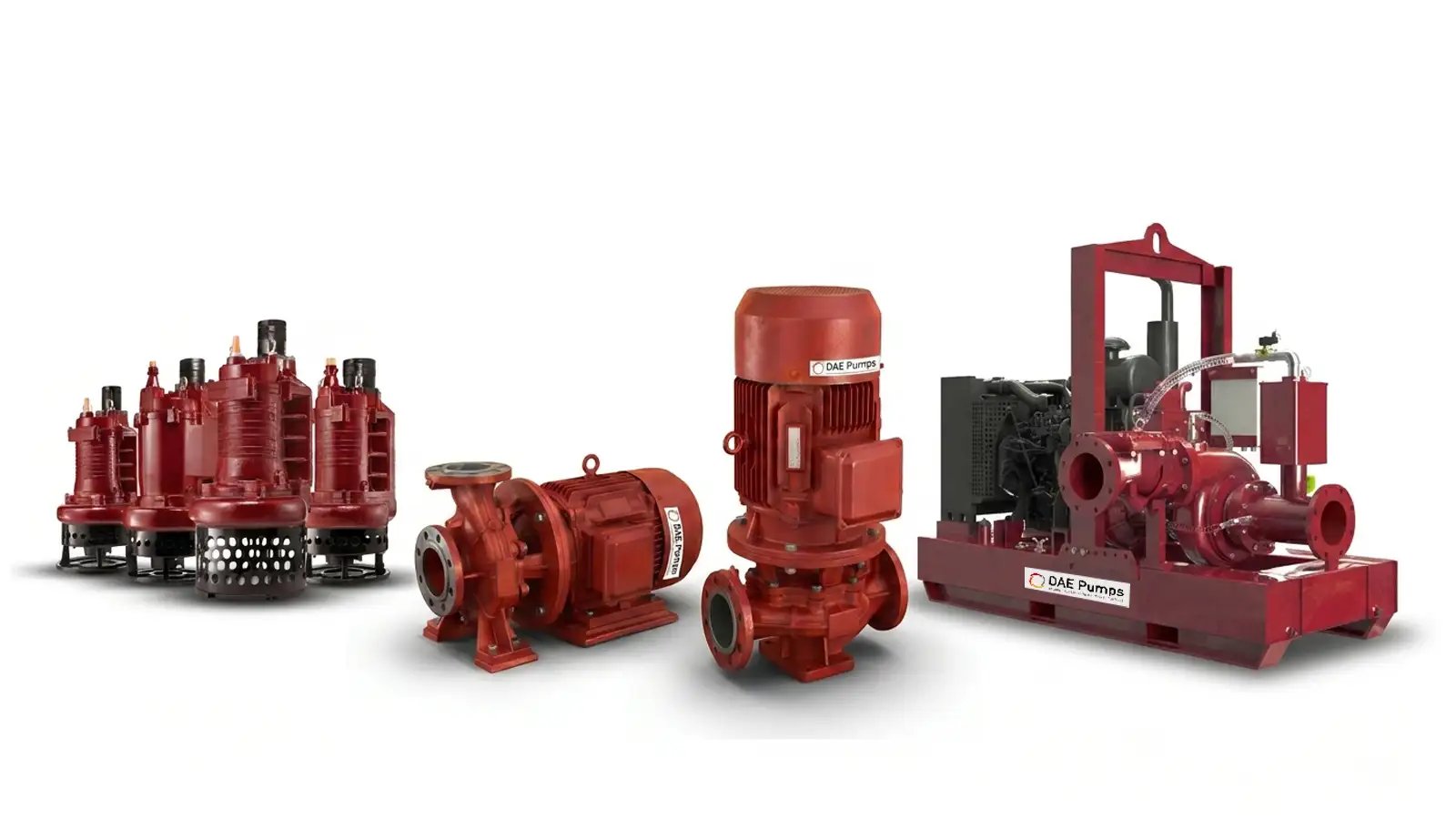
DAE Pumps offers multiple pump configurations used across mining and mineral-processing applications, including submersible slurry pumps, self-priming pumps, flooded suction pumps, and positive displacement pumps. This broader selection allows engineers to match the pump type to the actual duty instead of forcing one configuration across every stage of a lithium operation.
For remote sites or changing process demand, DAE also supplies variable frequency drives and industrial power generators that can support pump control and power planning. Final sizing and compatibility should still be based on the required operating point, available electrical infrastructure, fluid chemistry, and site conditions.
Important technical note: High-chloride, low-pH, hot brine, or DLE process service requires an engineering review of wetted materials, coatings, anodes, seals, cables, motor configuration, and chemical compatibility. Product suitability should be confirmed against the actual fluid analysis before specification.
Frequently Asked Questions About Lithium Mining Pumps
What type of pump is used in lithium mining?
Hard-rock lithium plants use slurry pumps for ore pulp, classification, flotation transfer, thickener underflow, sumps, concentrate, and tailings. Brine and DLE projects use corrosion-compatible process or centrifugal pumps for brine, plus slurry or positive displacement pumps where solids, precipitates, viscosity, or pressure require them.
What pump works best for spodumene slurry?
The best spodumene slurry pump depends on solids concentration, particle size, abrasiveness, required flow, total dynamic head, pump location, and maintenance access. Submersible, flooded suction, and other heavy-duty slurry configurations may each fit different stages of the plant.
Can a slurry pump handle lithium brine?
Only if its wetted materials, seals, coatings, cables, and other components are compatible with the actual brine chemistry. A pump designed for abrasion is not automatically suitable for chloride-rich or chemically aggressive brine.
What pumps are used in direct lithium extraction?
DLE systems may use brine feed pumps, circulation pumps, pretreatment pumps, wash and eluate pumps, chemical dosing pumps, waste transfer pumps, and reinjection-related pumps. The correct configuration depends on the DLE technology, chemistry, solids, pressure, temperature, and required flow control.
What pump is used for thickener underflow in lithium processing?
Thickener underflow may require a flooded suction slurry pump or a positive displacement pump, depending on viscosity, solids concentration, yield behavior, flow, pressure, and settling risk. The system should be sized from actual rheology and pipeline conditions.
How does solids concentration affect lithium slurry pump selection?
Higher solids concentration increases density, friction, power demand, wear, and settling risk. A pump selected for dilute flotation feed may not be appropriate for thickened tailings or underflow.
How can remote lithium sites reduce pump downtime?
Use application-matched pumps, document actual fluid and solids data, maintain critical spare parts, plan lifting and service access, monitor flow and pressure, and match the power system to the site. Generators and VFDs may help where grid power or variable process demand creates constraints.
What information should be provided for lithium pump sizing?
Provide fluid chemistry, pH, temperature, solids percentage, particle size, density, viscosity or rheology, required flow, pipeline length and diameter, elevation change, fittings, suction conditions, available power, and operating schedule.
Talk to a DAE Pumps Engineer About Your Lithium Application
Lithium pump selection should be based on the specific stream—not a general lithium-mining label. A spodumene flotation slurry, thickener underflow, tailings pond, lithium brine transfer line, DLE feed stream, and impurity-precipitate waste system can all require different equipment.
Share your material data, flow target, pipeline layout, site conditions, and maintenance requirements with the DAE Pumps team. An application review can help identify whether a submersible slurry pump, self-priming pump, flooded suction pump, positive displacement pump, or another process configuration is the better fit. Request engineering support or a quote.