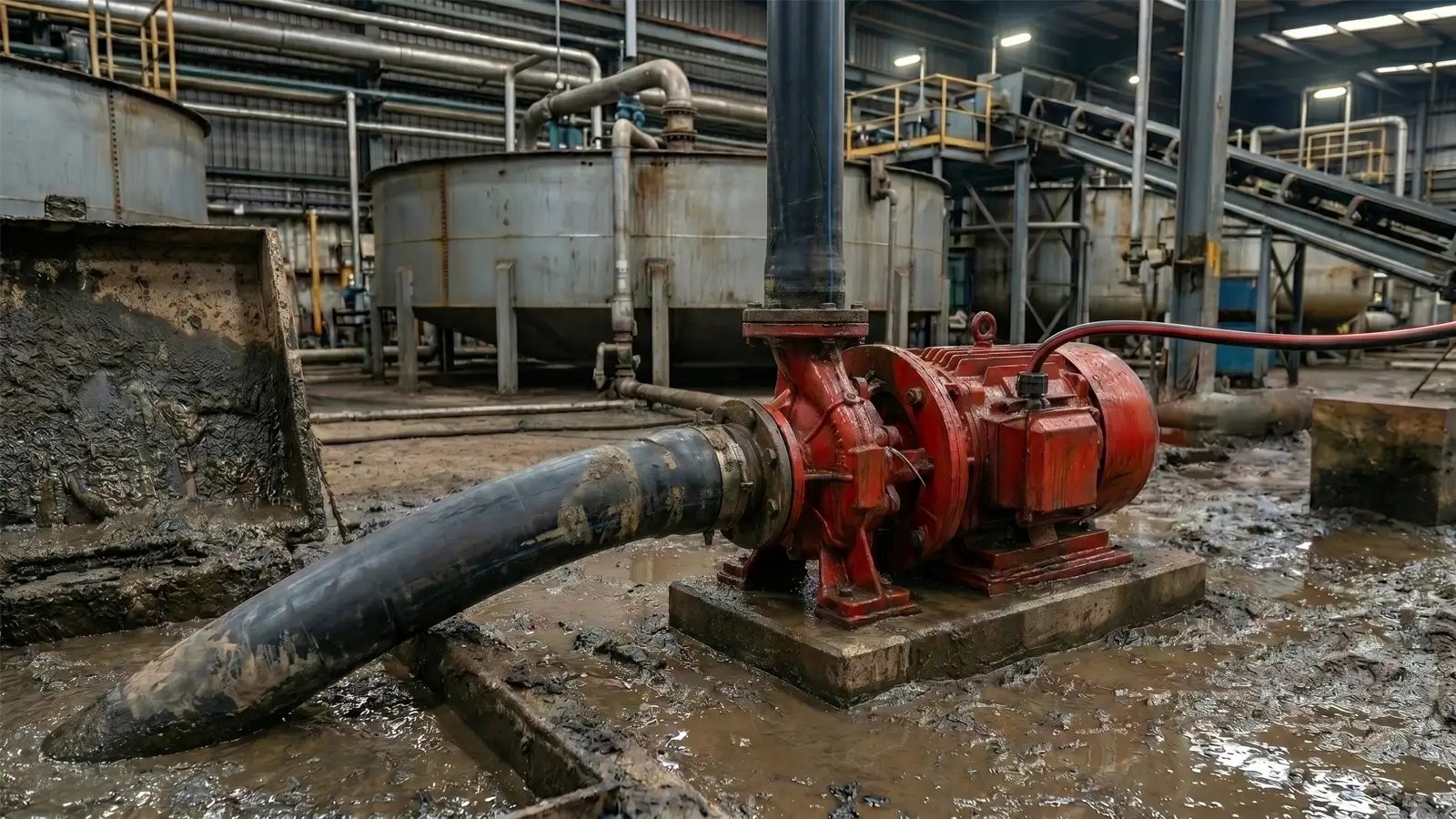
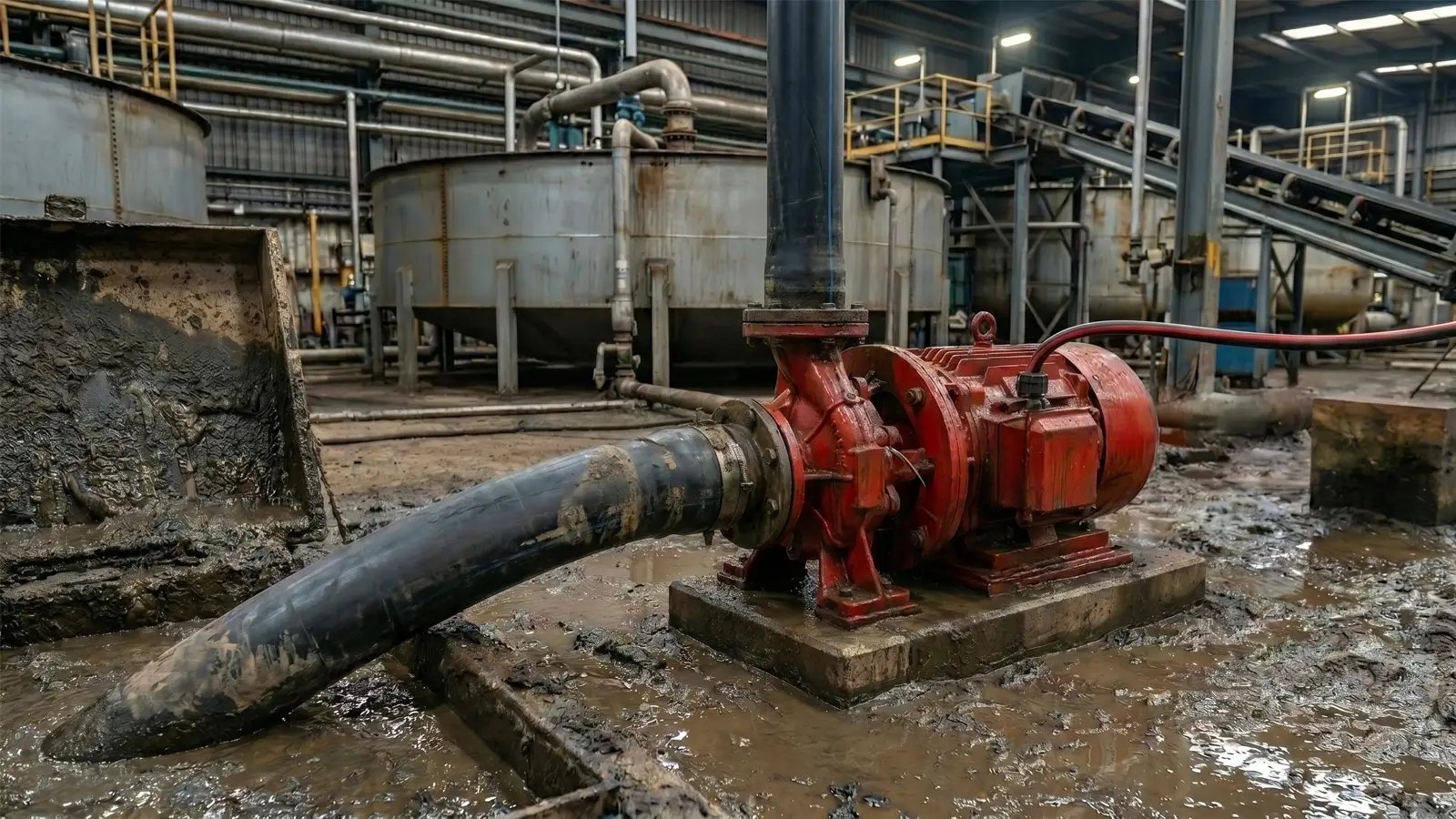
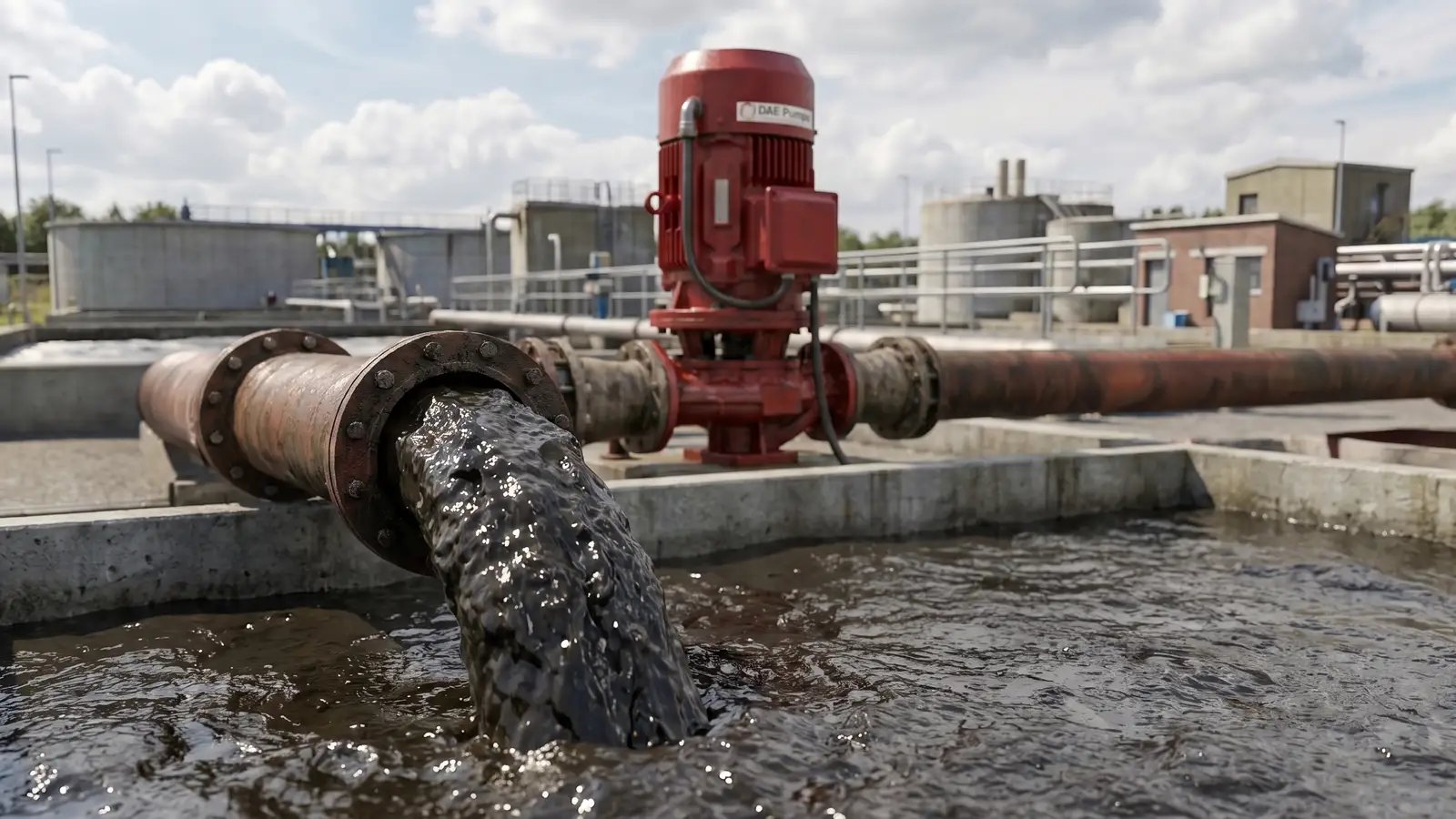
Flooded suction slurry pumps handle some of the most demanding material movement applications in mining, dredging, and wastewater treatment. When your operation involves abrasive solids, high-density sludge, or corrosive slurries, the right pump configuration makes the difference between reliable performance and constant maintenance headaches. DAE Pumps builds heavy-duty slurry pumps designed to move difficult materials in these exact conditions.
This article compares seven flooded suction slurry pumps built for sludge handling, high-solids applications, and abrasive environments. You'll find an overview of each option, key features, and guidance on what to consider when selecting equipment for your specific application.
Quick guide: 7 flooded suction slurry pumps for sludge handling
- DAE Pumps: Heavy-duty slurry pumps with open rotor design for high-solids and abrasive applications
- EDDY Pump: Non-clog pumps suited for high-viscosity materials in dredging operations
- Metso: Horizontal and vertical pumps used in mineral processing
- Weir Minerals: Rubber and metal-lined pumps for mining circuits
- KSB: Industrial pumps with wear-resistant components for process applications
- Cornell Pump Company: Agricultural and industrial pumps with enclosed impeller designs
- ITT Goulds Pumps: Slurry pumps with various metallurgy options for chemical processing
How we chose the top flooded suction slurry pumps
Selecting slurry pumps for demanding applications means looking beyond marketing claims. Each pump on this list was evaluated based on real-world performance factors that matter to facility managers, maintenance teams, and pump buyers.
- Abrasion resistance: How well does the pump handle sand, grit, and sharp particles without excessive wear on impellers and liners?
- Solids-handling capacity: Can the pump pass large solids and high concentrations without clogging or requiring constant attention?
- Flooded suction compatibility: Does the design support flooded suction configurations where the pump sits below the fluid level?
- Maintenance requirements: How accessible are wear parts? Can crews replace liners and impellers without major downtime?
- Application range: Does the pump work across mining, dredging, wastewater, and industrial sludge applications?
- Build quality: Are components built for continuous duty in harsh environments?
The 7 top flooded suction slurry pumps for sludge
1. DAE Pumps: Heavy-duty slurry pumps for high-solids applications
DAE Pumps manufactures industrial-duty slurry pumps engineered for the most difficult material handling applications. The open rotor design moves high-solids slurries, abrasive sludge, and debris-laden fluids without the clogging issues that plague conventional centrifugal pumps.
DAE Pumps equipment handles materials that other pumps cannot. Mining operations rely on DAE Pumps to move ore slurries with high concentrations of abrasive solite. Dredging contractors use DAE Pumps to remove sediment buildup from canals, lagoons, and settling ponds. Wastewater plants turn to DAE Pumps when their existing equipment fails to handle grit-heavy sludge.
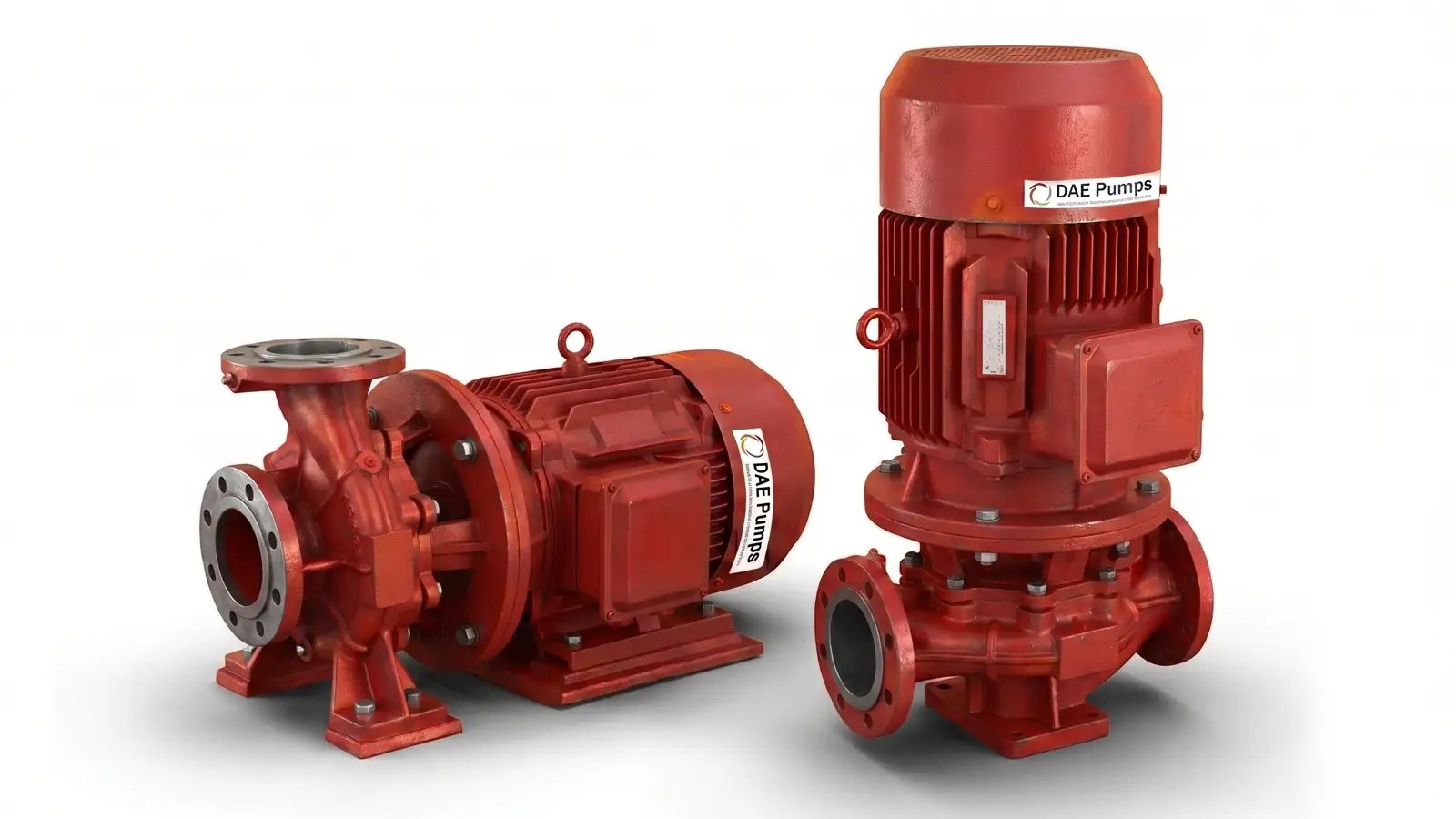
The flooded suction configuration works well for applications where the pump sits below the liquid level. This setup reduces priming issues and supports continuous operation in high-volume transfer applications. DAE Pumps can help review your material type, flow requirements, head conditions, and operating environment to determine the right pump configuration for your site.
DAE Pumps features
- Open rotor design: Passes large solids and stringy materials without clogging, reducing unplanned maintenance stops
- High-chrome wear parts: Impellers and liners resist abrasion from sand, grit, and mineral slurries, extending service intervals
- Heavy-duty construction: Thick-walled casings and reinforced bearing frames handle continuous operation in demanding environments
- Multiple mounting options: Flooded suction, submersible, and dry-pit configurations match different site requirements
- Field-replaceable components: Wear parts can be swapped on-site without special tools, minimizing downtime
- Application engineering support: DAE Pumps reviews your specific operating conditions before recommending equipment configurations
DAE Pumps pros and cons
Pros:
- Handles high-solids slurries and abrasive materials that clog conventional pumps
- Rugged construction reduces wear-related maintenance in harsh operating conditions
- Application review process matches pump specifications to actual site requirements
Cons:
- Pump sizing requires application review to ensure proper fit—not a shelf-stock item
- Heavier construction means lifting equipment may be needed for installation
- Some spare parts have lead times for specialized configurations
2. EDDY Pump: Non-clog design for high-viscosity dredging
EDDY Pump manufactures a patented non-clog pump design that uses an eddy current rather than a traditional impeller to move material. This approach works for high-viscosity materials like thick sludge, clay, and sediment where conventional pumps struggle with blockages.
The pump finds use in dredging applications where operators need to move heavy sediment over moderate distances. The design tolerates debris and fibrous materials that would wrap around conventional impellers.
EDDY Pump features
- Eddy current technology: Moves material without direct impeller contact, reducing wear on internal components
- Large tolerance for debris: Handles rocks, rags, and fibrous materials that would jam standard pumps
- Multiple deployment options: Available in submersible, excavator-mounted, and cable-deployed configurations
EDDY Pump pros and cons
Pros:
- Non-clog design tolerates debris and fibrous materials in the slurry stream
- Works for high-viscosity materials like clay and thick sediment
- Various mounting configurations fit different dredging applications
Cons:
- Eddy current design may not achieve the same discharge head as centrifugal pumps for long-distance pumping
- Flow rates can vary depending on material consistency and density
- Pump selection requires evaluation of specific material characteristics
3. Metso: Horizontal and vertical pumps for mineral processing
Metso manufactures a range of horizontal and vertical slurry pumps used in mineral processing circuits. The company's pump line includes centrifugal designs with rubber and metal linings suited for different abrasion and corrosion conditions.
The pumps appear in mining operations where they handle ore slurry transfer between processing stages. Flooded suction installations reduce priming requirements in continuous process applications.
Metso features
- Rubber and metal liner options: Different materials address specific wear and chemical compatibility requirements
- Horizontal and vertical configurations: Multiple mounting styles fit various plant layouts
- Modular design: Interchangeable components across pump sizes simplify parts inventory
Metso pros and cons
Pros:
- Wide range of pump sizes and configurations for mineral processing plants
- Liner material options address different slurry chemistry conditions
- Global parts and service network supports maintenance operations
Cons:
- Pump performance varies significantly based on liner material selection
- Some models require factory support for major component changes
- Traditional impeller design may experience more clogging with debris-laden slurries
4. Weir Minerals: Rubber-lined pumps for mining circuits
Weir Minerals produces rubber-lined and metal-lined slurry pumps for mining and aggregate applications. The company's Warman pump line has a presence in mineral processing operations handling ore slurries and tailings.
The pumps operate in flooded suction configurations within mill circuits, cyclone feed systems, and tailings transfer applications. Rubber linings help manage certain types of abrasive wear in fine-particle slurries.
Weir Minerals features
- Rubber-lined options: Soft rubber linings reduce wear from fine abrasive particles in certain slurry types
- Mill circuit integration: Pumps sized for grinding and classification circuit requirements
- Established mining presence: Service infrastructure in major mining regions
Weir Minerals pros and cons
Pros:
- Rubber linings work for fine-particle abrasive slurries in specific applications
- Available in sizes common to mineral processing plants
- Parts availability in mining-heavy regions
Cons:
- Rubber linings may not perform well with coarse, sharp solids or high temperatures
- Conventional impeller design can experience blockages with stringy or fibrous materials
- Some liner replacements require specialized service procedures
5. KSB: Industrial process pumps with wear-resistant components
KSB manufactures industrial pumps including slurry models with wear-resistant components. The company's product line spans process industries where pumps handle abrasive and corrosive fluids.
The pumps serve chemical processing, power generation, and wastewater applications. Flooded suction installations work in tank farm transfer and process circulation duties.
KSB features
- Wear-resistant materials: Hardened alloys and ceramic-lined options address different abrasion conditions
- Process industry focus: Designs suited for chemical and power plant environments
- Variable speed compatibility: Pumps operate with VFD systems for flow control
KSB pros and cons
Pros:
- Wide material options for chemical compatibility requirements
- Designs meet various industrial process standards
- Engineering support for complex process applications
Cons:
- Many models designed for cleaner process fluids rather than heavy sludge
- Solids-handling capacity varies significantly across the product line
- Some heavy-duty models have extended delivery times
6. Cornell Pump Company: Agricultural and industrial transfer pumps
Cornell Pump Company manufactures centrifugal pumps for agricultural, industrial, and municipal applications. The company offers slurry pump models with enclosed impellers designed for manure handling, food processing, and similar duties.
The pumps serve applications where operators transfer thick fluids with moderate solids content. Flooded suction configurations work in pit pumping and tank transfer applications.
Cornell Pump features
- Enclosed impeller designs: Semi-open and enclosed impeller options for different fluid types
- Agricultural applications: Models designed for manure and waste slurry transfer
- Multiple material options: Cast iron, stainless steel, and hardened alloy configurations
Cornell Pump pros and cons
Pros:
- Designed for agricultural and food processing slurry applications
- Material options address different chemical environments
- Standard footprints fit common installation configurations
Cons:
- Enclosed impeller designs may not handle large debris or high-solids concentrations
- Primary focus is agricultural rather than mining or heavy industrial
- Abrasion resistance varies by model and material selection
7. ITT Goulds Pumps: Slurry pumps for chemical processing
ITT Goulds Pumps manufactures a range of industrial pumps including slurry models for chemical processing and power generation. The company offers pumps with various metallurgy options to address corrosion and abrasion in process environments.
The pumps serve applications where chemical compatibility matters alongside solids handling. Process plants use these pumps for flue gas desulfurization, ash handling, and chemical slurry transfer.
ITT Goulds features
- Multiple metallurgy options: Various alloys address specific chemical and abrasion conditions
- Process industry applications: Designs for FGD, ash handling, and chemical transfer
- Horizontal and vertical models: Configurations for different plant requirements
ITT Goulds pros and cons
Pros:
- Metallurgy options address corrosive and abrasive process conditions
- Designs meet power plant and chemical processing standards
- Established service network for industrial applications
Cons:
- Focus on process applications rather than heavy dredging or mining duties
- Conventional centrifugal designs may experience clogging with fibrous materials
- Performance depends on proper material selection for specific slurry chemistry
Comparison table: Top flooded suction slurry pumps
| Pump Manufacturer | Open Rotor Design | High-Solids Capacity | Application Review Support |
|---|---|---|---|
| DAE Pumps | ✓ | ✓ | ✓ |
| EDDY Pump | ✓ | ✓ | ✓ |
| Metso | ✗ | ✓ | ✗ |
| Weir Minerals | ✗ | ✓ | ✗ |
| KSB | ✗ | Varies | ✓ |
| Cornell Pump | ✗ | Limited | ✗ |
| ITT Goulds | ✗ | Varies | ✓ |
What makes flooded suction different from self-priming slurry pumps?
Flooded suction pumps sit below the liquid level, so the pump casing stays full of fluid during operation. This eliminates the need for priming systems and air handling that self-priming pumps require. For continuous-duty applications, flooded suction reduces operational complexity.
Self-priming pumps work when the pump must sit above the liquid level. They include air handling features that evacuate the suction line and draw fluid up to the pump. This adds components and creates potential failure points.
For most high-volume sludge transfer applications, flooded suction configurations deliver more reliable operation. The pump starts immediately without waiting for priming cycles, and operators avoid issues with air locks and lost prime that interrupt production.
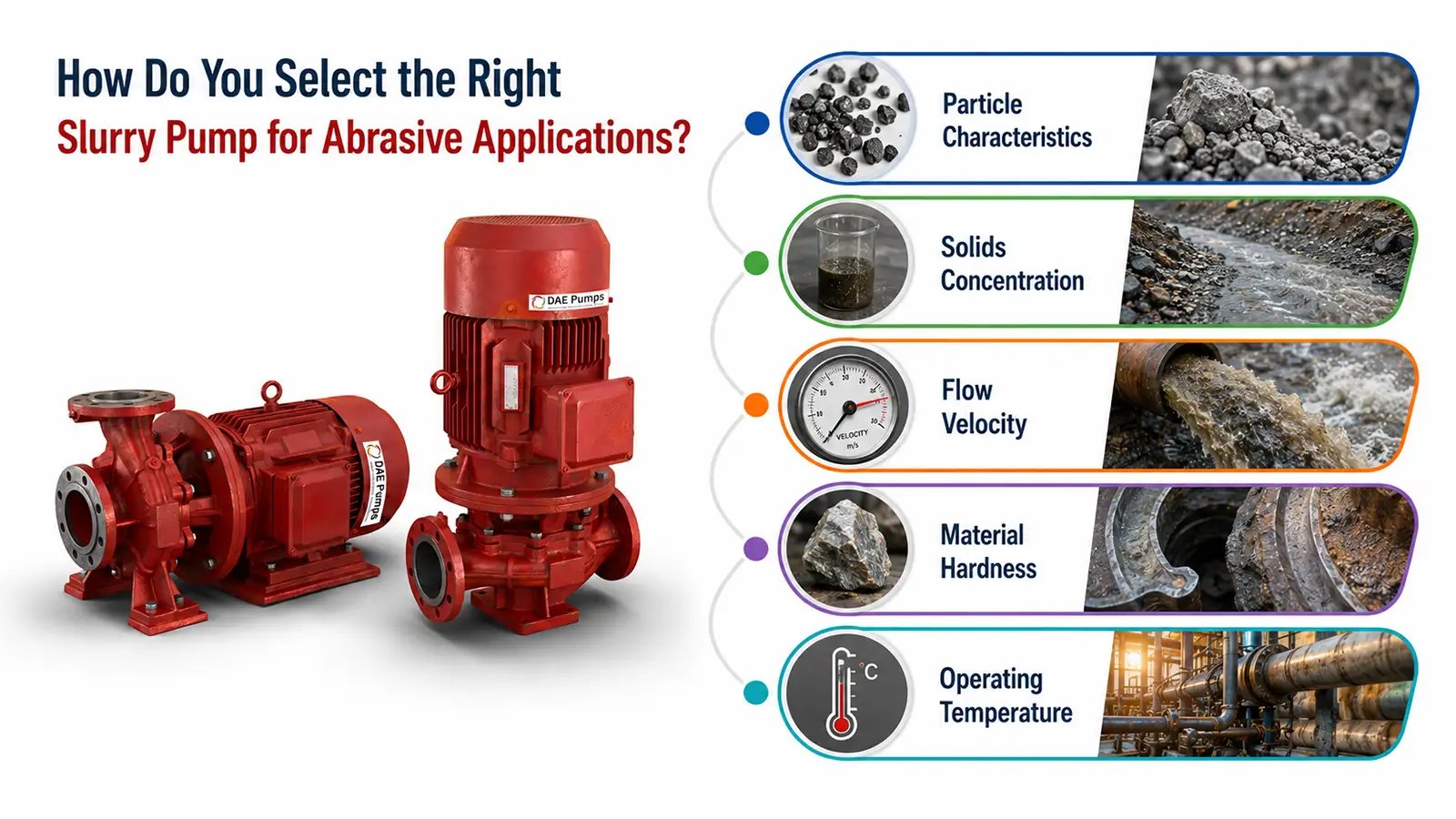
How do you select the right slurry pump for abrasive applications?
Abrasive slurries destroy pumps that aren't built for the job. The selection process starts with understanding your specific material—particle size, shape, concentration, and chemical composition all affect wear rates.
Important factors include:
- Particle characteristics: Sharp, angular particles cause more wear than rounded particles of the same size
- Solids concentration: Higher concentrations accelerate wear on all wetted surfaces
- Flow velocity: Faster velocities increase impact wear, especially in pipe bends and pump casings
- Material hardness: Harder particles require harder wear materials—high-chrome iron for severe applications
- Operating temperature: Heat affects material properties and can limit liner options
DAE Pumps can help evaluate your specific application. The right pump configuration depends on your material type, flow requirements, head conditions, and site constraints. Every application is different, and equipment that works in one situation may not fit another.
Why DAE Pumps is the top choice for flooded suction slurry pumps
DAE Pumps builds equipment for the applications other manufacturers avoid. When your operation involves abrasive slurries, high-solids sludge, or debris that clogs conventional pumps, DAE Pumps delivers the heavy-duty construction and open rotor design needed for reliable performance.
The difference shows up in maintenance costs and uptime. DAE Pumps uses high-chrome wear parts that resist abrasion longer than standard materials. The open rotor design passes solids and stringy materials without the blockages that shut down conventional centrifugal pumps. Field-replaceable components mean your maintenance crew can swap wear parts on-site instead of sending pumps back to the factory.
DAE Pumps approaches every application differently. Tell us about your material, flow requirements, head conditions, and operating environment. An application specialist will review your project and recommend the right pump configuration for your specific conditions.
Request a DAE Pumps application review to determine the right flooded suction slurry pump for your sludge handling operation.
FAQs about flooded suction slurry pumps
What is a flooded suction slurry pump?
A flooded suction slurry pump sits below the liquid level so the pump casing remains full of fluid during operation. This configuration eliminates priming requirements and supports continuous operation in high-volume transfer applications. DAE Pumps offers flooded suction configurations for mining, dredging, and wastewater sludge handling.
How do flooded suction pumps handle high-solids slurries?
Flooded suction pumps move high-solids slurries when designed with appropriate impeller geometry and wear materials. Open rotor designs like those from DAE Pumps pass large particles and debris without clogging. The flooded inlet ensures consistent flow to the impeller, preventing cavitation issues common with air entrainment.
What industries use flooded suction slurry pumps for sludge?
Mining operations use flooded suction pumps for ore slurry transfer and tailings handling. Dredging contractors rely on them for sediment removal from ponds and waterways. Wastewater plants use flooded suction pumps to move grit-laden sludge between treatment stages. DAE Pumps serves all these applications with heavy-duty equipment built for abrasive conditions.
How do I choose between rubber-lined and metal-lined slurry pumps?
Rubber linings work for fine-particle slurries at moderate temperatures where the particles have rounded edges. Metal linings—especially high-chrome iron—perform better with coarse, sharp particles, high temperatures, and heavy concentrations. DAE Pumps uses high-chrome wear parts for demanding applications where abrasion resistance matters most.
What maintenance do flooded suction slurry pumps need?
Regular maintenance includes impeller and liner inspections, bearing lubrication, and seal checks. Wear part replacement frequency depends on slurry characteristics—abrasive materials accelerate wear. DAE Pumps designs equipment with field-replaceable components so your crew can perform maintenance on-site without special tools or factory support.