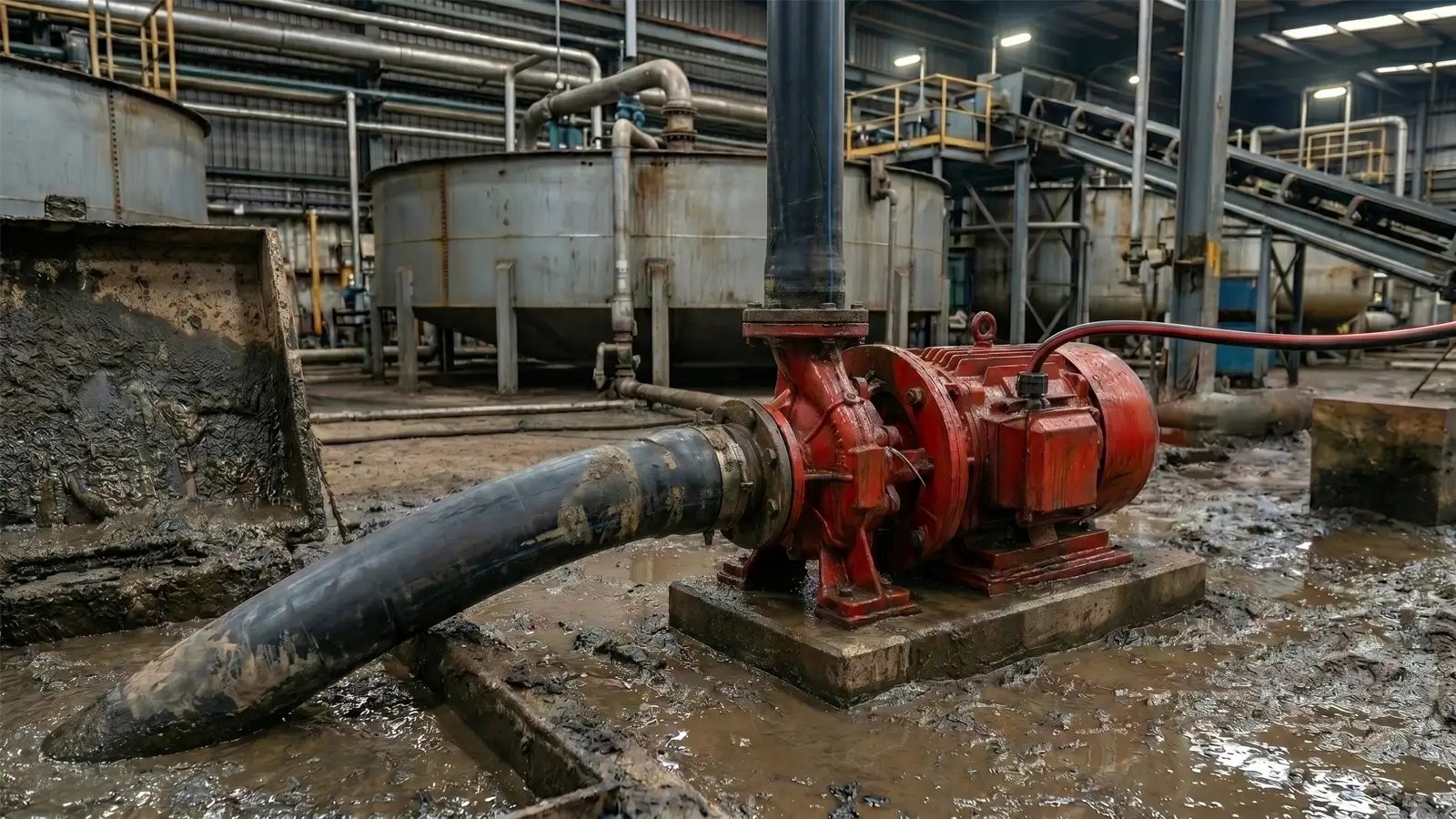
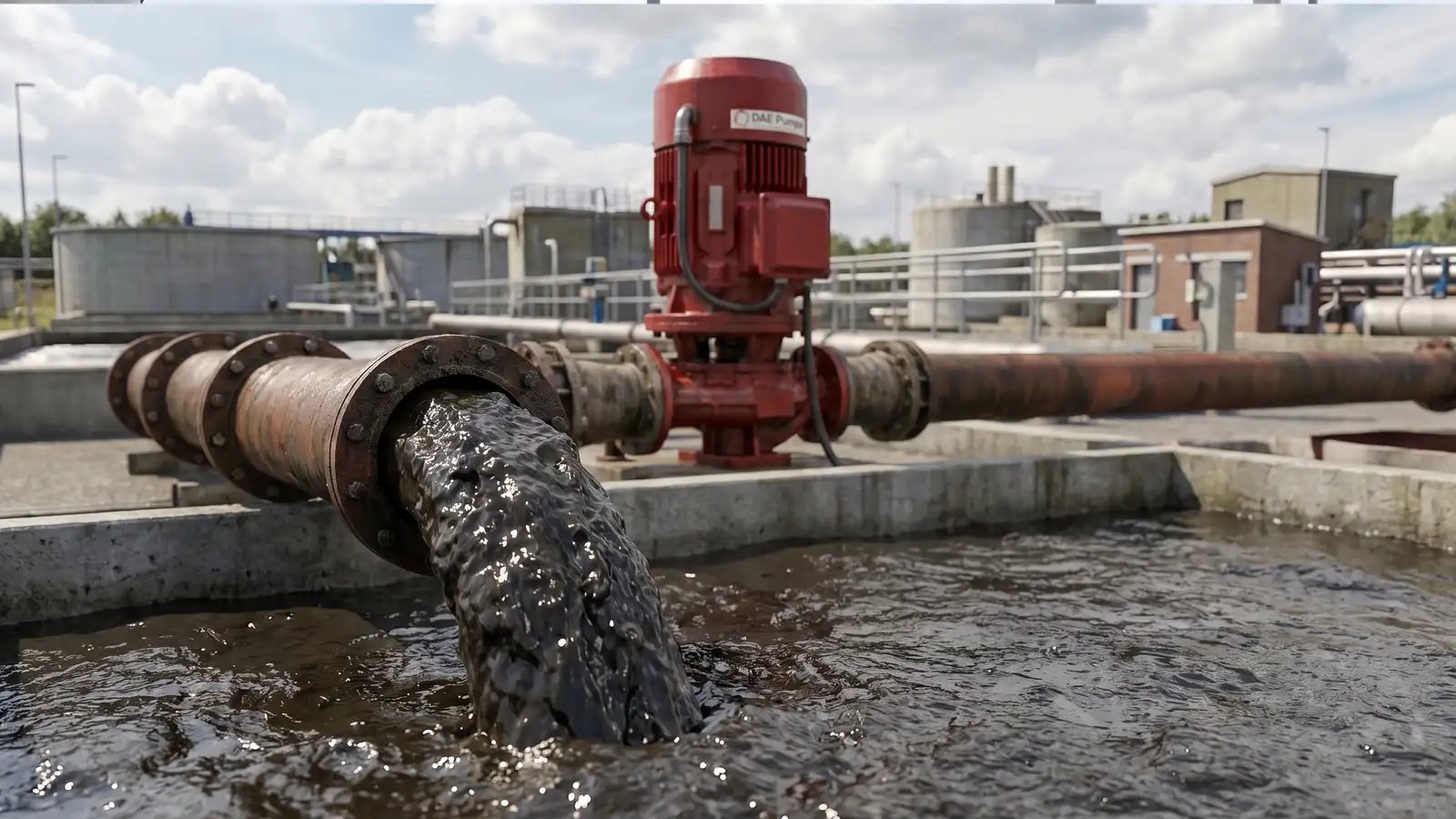
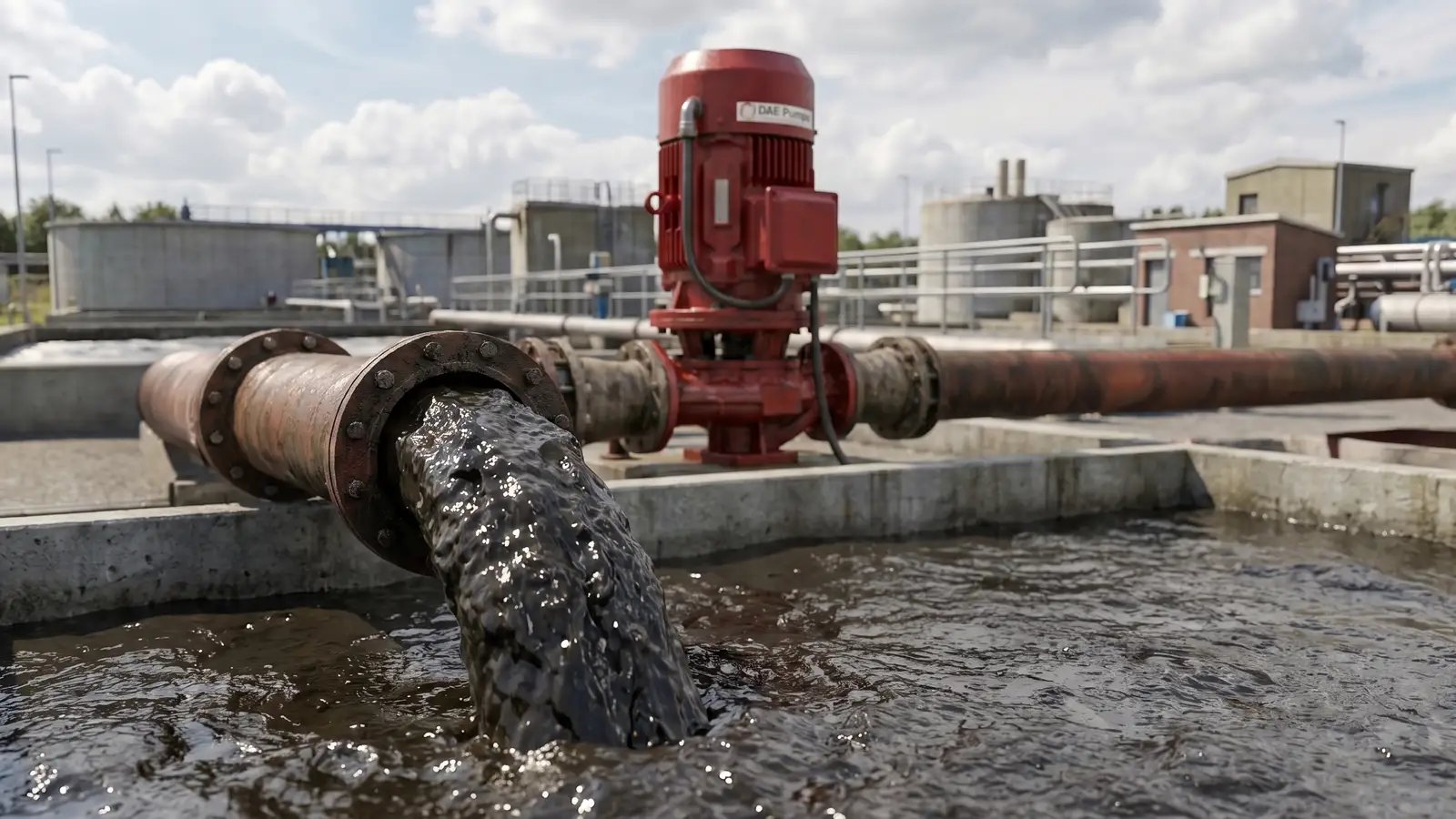
Wastewater pump maintenance gets harder when the material is no longer just water. Once grit, sand, sludge, rags, grease, settled solids, and corrosive chemistry enter the system, a light-duty pump can quickly become the reason a plant is dealing with repeated clogs, worn impellers, seal failures, and unplanned downtime.
That is why wastewater slurry pump maintenance should not start with a calendar alone. It should start with the actual material being pumped. A pump moving clean water and a pump moving abrasive sludge may be running the same number of hours, but they are not living the same life.
This guide explains what wastewater maintenance teams should watch, how abrasive wear develops, which maintenance checks matter most, and when it may be time to move from a standard wastewater pump to a heavier-duty slurry, sludge, lobe, flooded suction, self-priming, or dredging solution from DAE Pumps.
|
Answer-First Summary Wastewater slurry pump maintenance is the process of inspecting, adjusting, cleaning, lubricating, and monitoring pumps that move sludge, grit, sand, rags, wastewater solids, and abrasive slurry. The goal is to prevent wear before it becomes a failure. The most important maintenance factors are the material being pumped, particle size, grit load, pump speed, impeller clearance, seal condition, bearing temperature, vibration, flow rate, and whether the pump is operating near its intended duty point. |
Key Takeaways
- Abrasive grit and sand are often the largest wear drivers in wastewater slurry pumps because they erode impellers, volutes, wear plates, liners, and seals.
- Maintenance frequency should be based on the actual slurry, not only runtime hours. A pump in high-grit sludge needs a different plan than a pump moving mostly water.
- A pump operating too far from its intended duty point can experience recirculation, vibration, cavitation, heat, and accelerated component wear.
- Daily checks, trend data, and condition monitoring help teams catch changes before they become emergency repairs.
- The right DAE Pumps solution depends on the material, solids size, solids concentration, flow, head, installation, power source, and whether the customer needs a pump, a package, or a dredging system.
Why Wastewater Slurry Pumps Need a Different Maintenance Plan
Wastewater plants deal with more than liquid transfer. Many systems move a changing mix of grit, sludge, biological solids, industrial discharge, grease, fibrous material, and corrosive fluids. That mix creates three common maintenance problems: abrasive wear, clogging, and chemical attack.
DAE Pumps addresses these applications through multiple pump paths, including industrial slurry pumps, submersible slurry pumps, submersible sludge pumps, lobe pumps, flooded suction pumps, and dredging systems for ponds, lagoons, and basins.
The important question is not only, “How often should we inspect the pump?” The better question is, “What is the pump actually handling every day?”
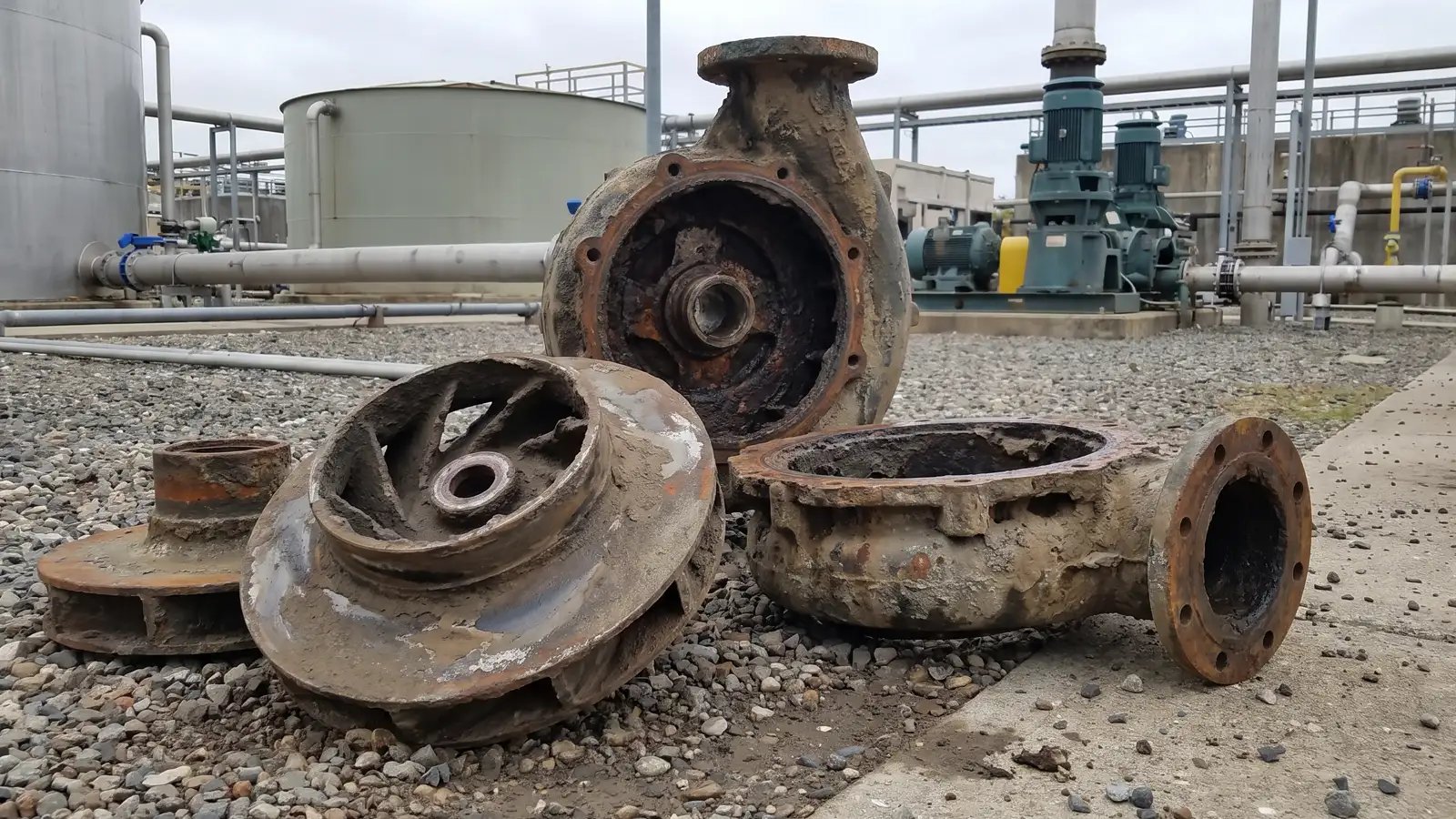
What Causes Wastewater Slurry Pump Wear?
|
Wear Driver |
What Happens |
Maintenance Impact |
|---|---|---|
|
Abrasive grit and sand |
Particles strike and cut internal surfaces as they move through the pump. |
Impeller, volute, wear plate, and liner inspections become more important. |
|
Fibrous material and rags |
Stringy solids can wrap, bridge, or restrict flow through narrow passages. |
The team spends more time clearing clogs unless the pump is selected for solids handling. |
|
Corrosive wastewater chemistry |
Low pH, hydrogen sulfide, industrial discharge, or chemicals attack pump materials. |
Material selection, coatings, seal compatibility, and corrosion review matter. |
|
Operating away from duty point |
Recirculation, turbulence, cavitation, or vibration increases component stress. |
Flow, pressure, amperage, and vibration trends should be reviewed. |
|
Settled solids at startup |
Heavy material collects around the intake or in the volute and creates abrasive startup conditions. |
Agitation, flushing, proper shutdown, and wet well management help reduce wear. |
What Changes in Wastewater Pump Maintenance in 2026?
The biggest shift is not a new checklist item. It is the move from reactive maintenance to evidence-based maintenance. Operators still need visual inspections and scheduled service, but the stronger programs now use trend data to decide when a pump needs attention.
That means watching for changes in flow, discharge pressure, vibration, motor current, bearing temperature, seal leakage, and how often the pump clogs. When those numbers begin to drift, the pump is telling the team something has changed.
For plant managers, this is where the maintenance conversation becomes a cost conversation. The right pump and the right maintenance plan can reduce emergency callouts, protect compliance, extend wear-part life, and lower the total cost of ownership.
Wastewater Slurry Pump Maintenance Checklist
The schedule below is a practical starting point. Actual inspection frequency should be adjusted based on grit load, solids concentration, chemical exposure, pump criticality, runtime, and maintenance history.
|
Frequency |
What to Check |
Why It Matters |
|---|---|---|
|
Daily / each shift |
Listen for abnormal noise, check visible leaks, review amperage, confirm flow, and watch for unusual vibration or heat. |
Catches early signs of clogging, bearing distress, seal leakage, cavitation, or changing load. |
|
Weekly |
Record suction and discharge pressure, inspect wet well conditions, check inlet screens, and review clogging or ragging events. |
Shows whether the pump and system are still operating as expected. |
|
Monthly |
Trend vibration, motor current, temperature, and flow. Check for suction restrictions, air entrainment, and changes in pump performance. |
Identifies gradual wear before it becomes a failure. |
|
Quarterly |
Inspect alignment, belts or couplings, lubrication condition, seal leakage, and wear-part condition where access allows. |
Protects bearings, seals, and rotating components from avoidable stress. |
|
Annually or during planned outage |
Measure impeller, wear plate, liner, volute, and casing condition. Review the maintenance history and update spare-parts planning. |
Uses the last year of data to improve the next maintenance cycle. |
Maintenance Starts with Pump Selection
A maintenance team can do everything right and still fight constant problems if the pump is not matched to the material. Wastewater slurry pump selection should account for solids content, particle size, particle shape, pH, chemistry, viscosity, flow variability, available power, and how the pump will be installed.
For example, a standard wastewater pump may work for mostly liquid service, but it may not be the best choice for grit, sand, settled sludge, or abrasive slurry. DAE Pumps positions its slurry and sludge pump offering around rugged construction, wear materials, ease of maintenance, and harsh-service performance.
|
Wastewater Challenge |
Best DAE Pumps Starting Point |
Why It Helps |
|---|---|---|
|
Grit, sand, settled solids, or abrasive sludge in a wet well |
Places the pump at the source, uses a solids-handling design, and can include agitation for settled material. |
|
|
Thick sludge, DAF sludge, rags, hair, or variable organic solids |
Handles thick sludge and debris with a more controlled positive-displacement flow path. |
|
|
Tank, hopper, or pit where the pump can sit below liquid level |
Uses gravity to keep the pump primed and can support continuous transfer from a fixed source. |
|
|
Remote jobsite, bypass, temporary pumping, or no reliable power |
Keeps the pump package above the source and supports portable field operation. |
|
|
Lagoon, basin, pond, or large area with settled sludge or sediment |
Pontoon dredge, diver-operated dredge, or submersible dredge package |
Adds the ability to remove, agitate, and pump settled material rather than only transferring liquid. |
Materials and Wear Parts: What to Review Before You Replace Another Pump
Abrasive wastewater service is not just a horsepower problem. It is a materials problem. The wrong material can turn grit into a constant maintenance expense.
|
Material / Component Question |
Why It Matters |
Customer Journey Note |
|---|---|---|
|
Is the wear concentrated on the impeller, wear plate, volute, or casing? |
The wear pattern helps identify whether the issue is abrasion, recirculation, cavitation, or poor duty-point selection. |
Photos and failed-part history help DAE Pumps recommend a better configuration. |
|
Is the wastewater abrasive, corrosive, or both? |
Grit and sand attack surfaces mechanically. Chemistry can attack the base material and accelerate erosion. |
Material selection should include abrasion and chemistry review, not just pump size. |
|
Are seals failing before the hydraulic components? |
Grit, fiber, poor flush, dry running, or misalignment can shorten seal life. |
Seal selection and installation conditions should be reviewed with the pump recommendation. |
|
Are parts hard to replace in the field? |
Easy-access wear parts reduce downtime and labor hours. |
Maintenance accessibility should be part of the buying decision, not an afterthought. |
Operating Practices That Reduce Wastewater Pump Wear
- Keep the pump fed. Starving the suction side can increase cavitation, vibration, and heat.
- Avoid long operation far below or far above the intended duty point. That is where recirculation, turbulence, and component stress increase.
- Use agitation, mixing, or proper sump management when solids settle quickly.
- Flush the pump and line when the material tends to settle, harden, or pack around the intake.
- Use controlled startup and shutdown practices so heavy solids are not left to settle in the casing or pipeline.
- Track flow, head, vibration, current, and clogging events so the maintenance team can see changes early.
Troubleshooting Common Wastewater Slurry Pump Problems
|
Symptom |
Likely Causes |
What to Review |
|---|---|---|
|
Reduced flow |
Impeller wear, suction blockage, air entrainment, clogged screen, worn clearances, or changed system conditions. |
Compare current flow and pressure to baseline readings; inspect intake and wear components. |
|
Frequent clogging |
Rags, wipes, fibrous material, undersized passages, poor pump type, or settled material at the suction point. |
Review solids size, ragging history, pump free passage, and whether a non-clog or lobe solution is a better fit. |
|
High vibration |
Imbalance, misalignment, worn bearings, cavitation, damaged impeller, or foreign material in the pump. |
Trend vibration, inspect rotating components, and confirm suction conditions. |
|
Seal leakage |
Abrasive grit, seal-face damage, dry running, poor flush, shaft movement, or misalignment. |
Inspect seals, shaft condition, flush system, and bearing health. |
|
Motor overheating or high current |
Blockage, excessive solids, high head, mechanical binding, poor cooling, or wrong duty point. |
Check amperage trend, discharge pressure, flow, wet well level, and pump condition. |
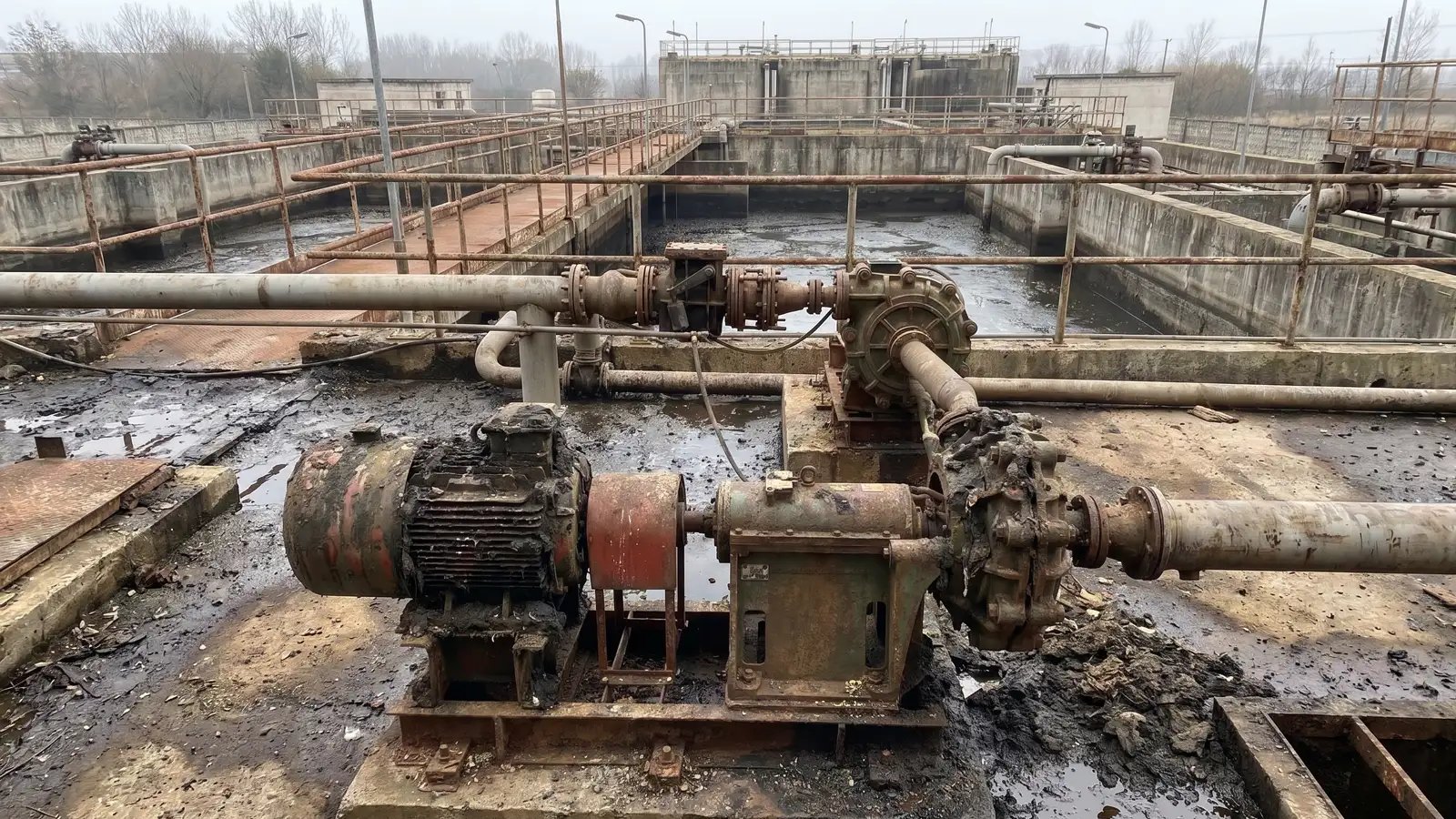
Condition Monitoring: Turning Maintenance into Decisions
Condition monitoring does not need to be complicated to be useful. The strongest programs start with simple baseline readings and then watch for changes.
|
Data to Track |
What It Can Reveal |
|---|---|
|
Flow and discharge pressure |
Hydraulic wear, blockages, suction issues, or system changes. |
|
Motor current |
Increased loading, blockage, higher solids, mechanical drag, or changing duty point. |
|
Vibration |
Bearing wear, imbalance, misalignment, cavitation, or damaged rotating parts. |
|
Temperature |
Lubrication issues, bearing distress, overload, poor cooling, or dry running. |
|
Seal leakage |
Seal-face wear, abrasive damage, poor flush, packing wear, or shaft movement. |
|
Clogging frequency |
Wrong pump type, insufficient solids passage, ragging, poor sump design, or need for different technology. |
How DAE Pumps Helps Wastewater Teams Reduce Maintenance Problems
DAE Pumps is not only selling a pump. The stronger customer journey is helping the plant identify why the current equipment is failing and then matching the right pump or pump package to the operating conditions.
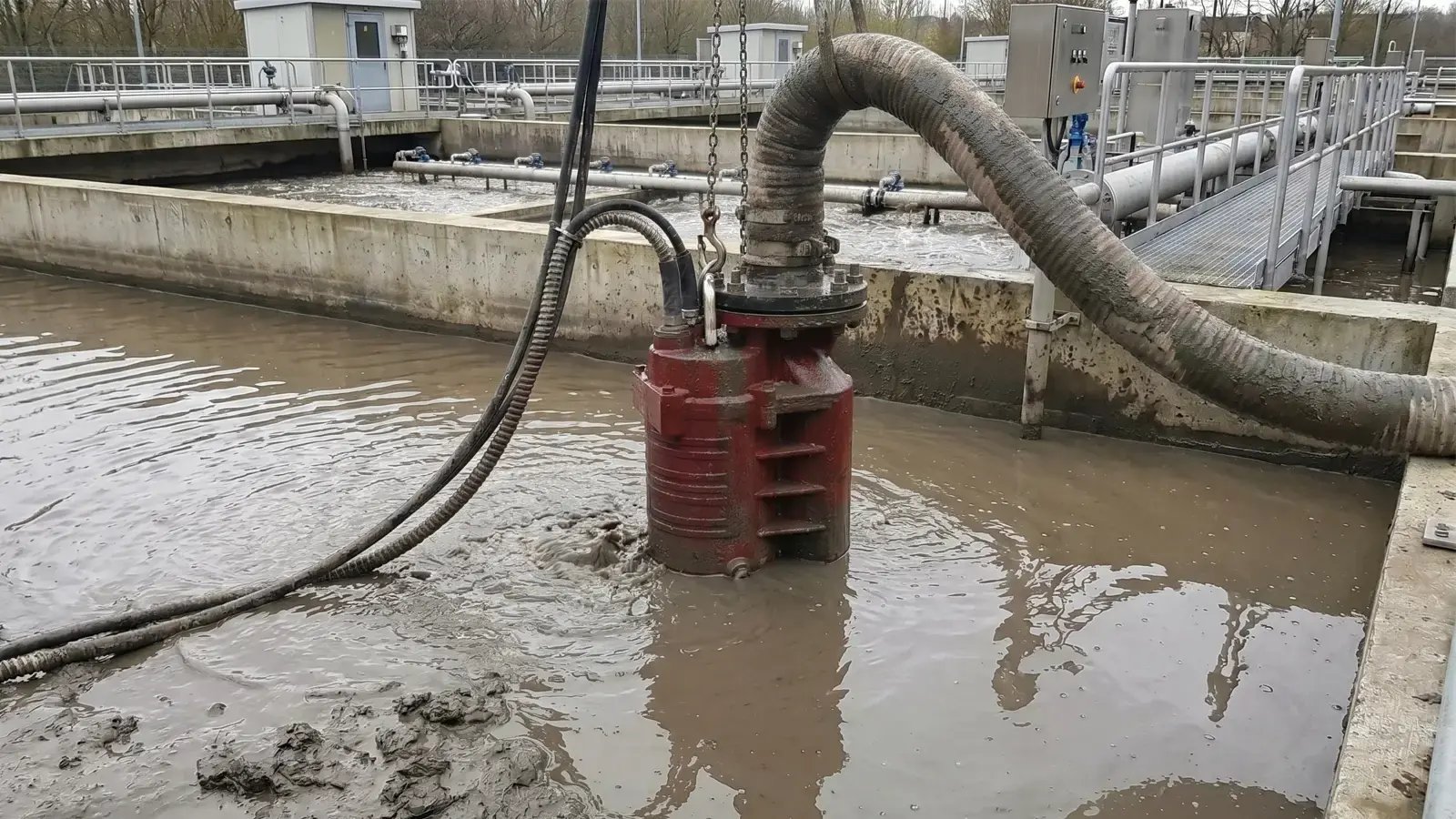 DAE’s current wastewater case study highlights the exact problems many plants face: abrasion, clogging, grit, sludge, variable flow, corrosion, and maintenance burden. Those are not small issues. They are the reasons pump maintenance becomes a daily operational problem instead of a planned activity.
Start with the wastewater and sewage case study to connect the article to a real customer problem, then guide readers to the right product path based on the material and installation.
What to Send DAE Pumps Before Selecting or Replacing a Wastewater Slurry Pump
The fastest way to get to the right recommendation is to provide the details that affect wear, pump selection, and maintenance planning.
- Material being pumped: sludge, grit, sewage, biosolids, DAF sludge, industrial wastewater, sediment, or mixed slurry.
- Solids size, solids concentration, grit load, and whether rags or fibrous material are present.
- Flow rate, total dynamic head, discharge distance, pipe size, and elevation change.
- Installation type: submersible, flooded suction, self-priming, mobile, fixed, or dredging package.
- Available power source and whether VFD, SCADA, or controls integration is needed.
- Fluid chemistry: pH, temperature, corrosive chemicals, oil/grease, hydrogen sulfide, or industrial discharge.
- Current failure mode: clogging, seal leakage, bearing failures, impeller wear, overheating, vibration, or reduced flow.
- Photos of the application, failed parts, wet well, pipeline, and current pump nameplate if available.
Frequently Asked Questions
What is wastewater slurry pump maintenance?
Wastewater slurry pump maintenance is the regular inspection, cleaning, adjustment, lubrication, monitoring, and repair of pumps that move sludge, grit, sand, rags, wastewater solids, and abrasive slurry. The goal is to prevent wear, clogging, seal failure, and unplanned downtime.
How often should a wastewater slurry pump be inspected?
Inspection frequency depends on grit load, solids concentration, runtime, pump criticality, and maintenance history. Daily operator checks and weekly trend reviews are common starting points, while deeper inspections should be scheduled around actual wear and operating data.
Why do wastewater slurry pumps wear out faster than standard pumps?
Wastewater slurry pumps handle abrasive grit, sand, sludge, fibrous material, and sometimes corrosive chemistry. These materials erode impellers and casings, damage seals, increase vibration, and create clogging risk that standard clean-water pumps are not built to handle.
What are the warning signs of slurry pump wear?
Common warning signs include reduced flow, higher amperage, rising vibration, hotter bearings or motors, increased seal leakage, more frequent clogging, unusual noise, and changes in suction or discharge pressure.
Can pump selection reduce maintenance?
Yes. A pump matched to the solids, chemistry, flow, head, installation, and duty cycle can reduce clogging, wear, seal failures, and emergency repairs. The wrong pump can create maintenance problems that no checklist can fully solve.
What type of DAE pump is best for wastewater sludge?
It depends on the sludge. Submersible slurry pumps are a strong starting point for abrasive settled solids and wet wells. Lobe pumps may be better for thick sludge, DAF sludge, rags, hair, and controlled positive-displacement transfer. Flooded suction, self-priming, and dredging systems may fit other installations.
How does an agitator help in a wastewater slurry pump?
An agitator helps loosen settled solids near the pump intake so the pump can pick up heavier material instead of only pulling liquid from above the solids bed. This can improve solids removal and reduce the need for manual cleanout.
When should a wastewater plant consider a dredging solution instead of a pump replacement?
If the problem is large-scale settled sludge, sediment, or grit in a lagoon, basin, pond, or wet well, a dredging package may solve the root issue better than simply replacing the transfer pump.
What information does DAE Pumps need to recommend the right pump?
DAE Pumps should review the material, solids size, solids concentration, flow rate, TDH, pipe size, discharge distance, power source, installation type, fluid chemistry, and current failure mode.
Build a Better Wastewater Pump Maintenance Plan with DAE Pumps
If your team is constantly clearing clogs, replacing seals, changing impellers, or reacting to unexpected shutdowns, the issue may not be the maintenance schedule alone. It may be the pump selection, installation, operating point, or materials of construction.
Send DAE Pumps your material details, flow target, head, pipe layout, solids information, chemistry, photos, and current failure history. Talk to a DAE Pumps application specialist to identify the right pump, package, parts plan, and maintenance path for your wastewater application.