Key Takeaways: Why Abrasive Slurry Pumps Fail in Wastewater Plants
- Abrasive solids like grit, sand, and debris cause rapid erosion on impellers, liners, and volute casings in slurry pumps.
- Improper pump sizing and mismatched materials accelerate wear and lead to premature failures in wastewater applications.
- DAE Pumps designs equipment to handle demanding solids-heavy conditions found in wastewater treatment facilities.
- Neglected maintenance schedules and inadequate monitoring allow minor wear to escalate into costly breakdowns.
- Selecting the right wear-resistant materials based on your specific solids profile directly impacts pump longevity and efficiency.
What Causes Slurry Pump Failure in Wastewater Treatment?
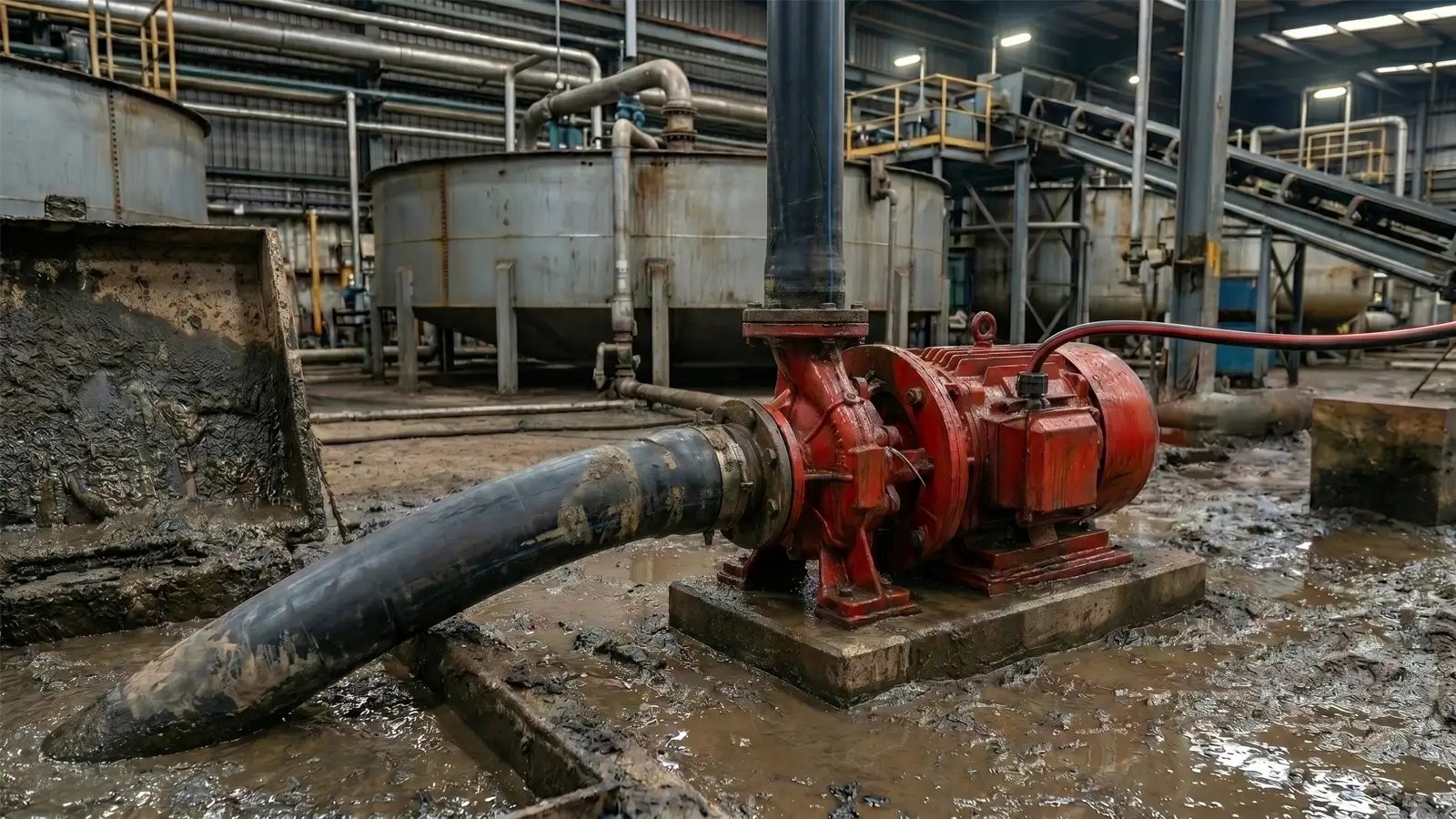
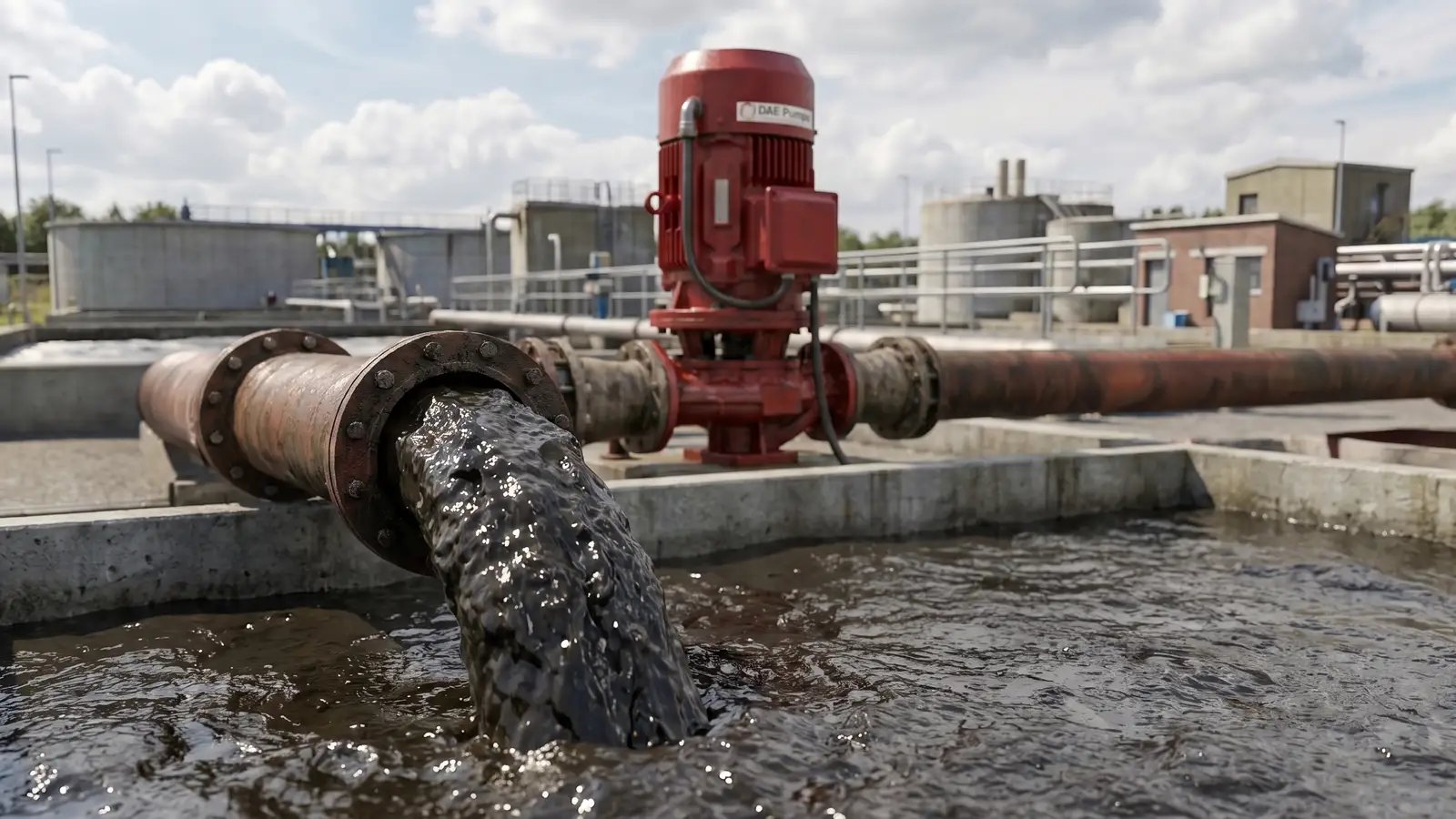
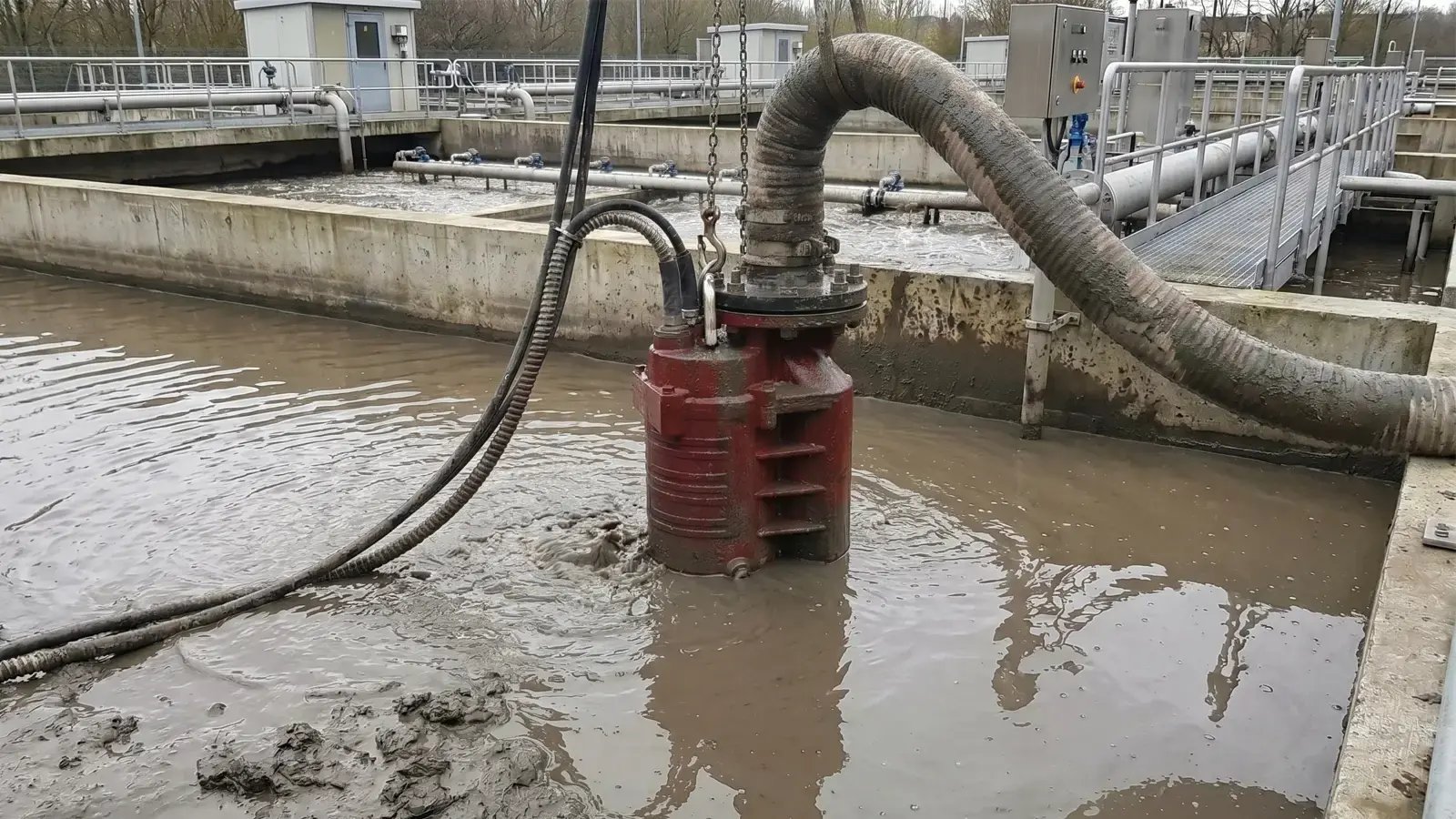
Slurry pumps in wastewater plants face a punishing environment. They move dense mixtures of water, organic matter, grit, sand, and debris throughout the treatment process. That constant contact with abrasive particles wears down critical pump components faster than standard water pumps can handle.
The primary failure mechanisms include erosion of wetted surfaces, cavitation damage, and mechanical seal degradation. When pumps are not matched to the specific solids concentration and particle characteristics of your facility, wear accelerates dramatically. Most failures trace back to one root cause: the pump was not built for the material it handles.
How Do Abrasive Solids Damage Slurry Pump Components?
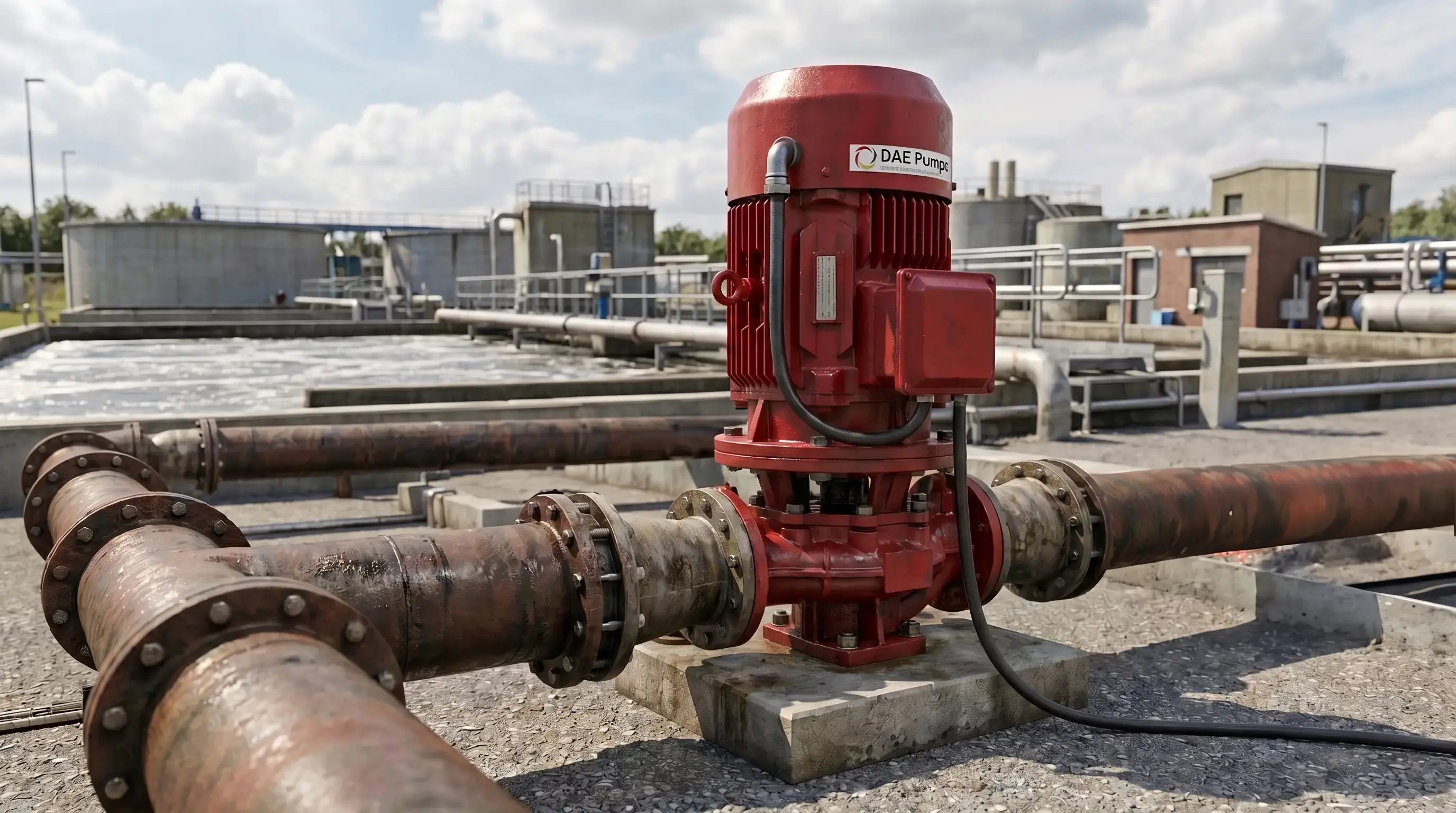
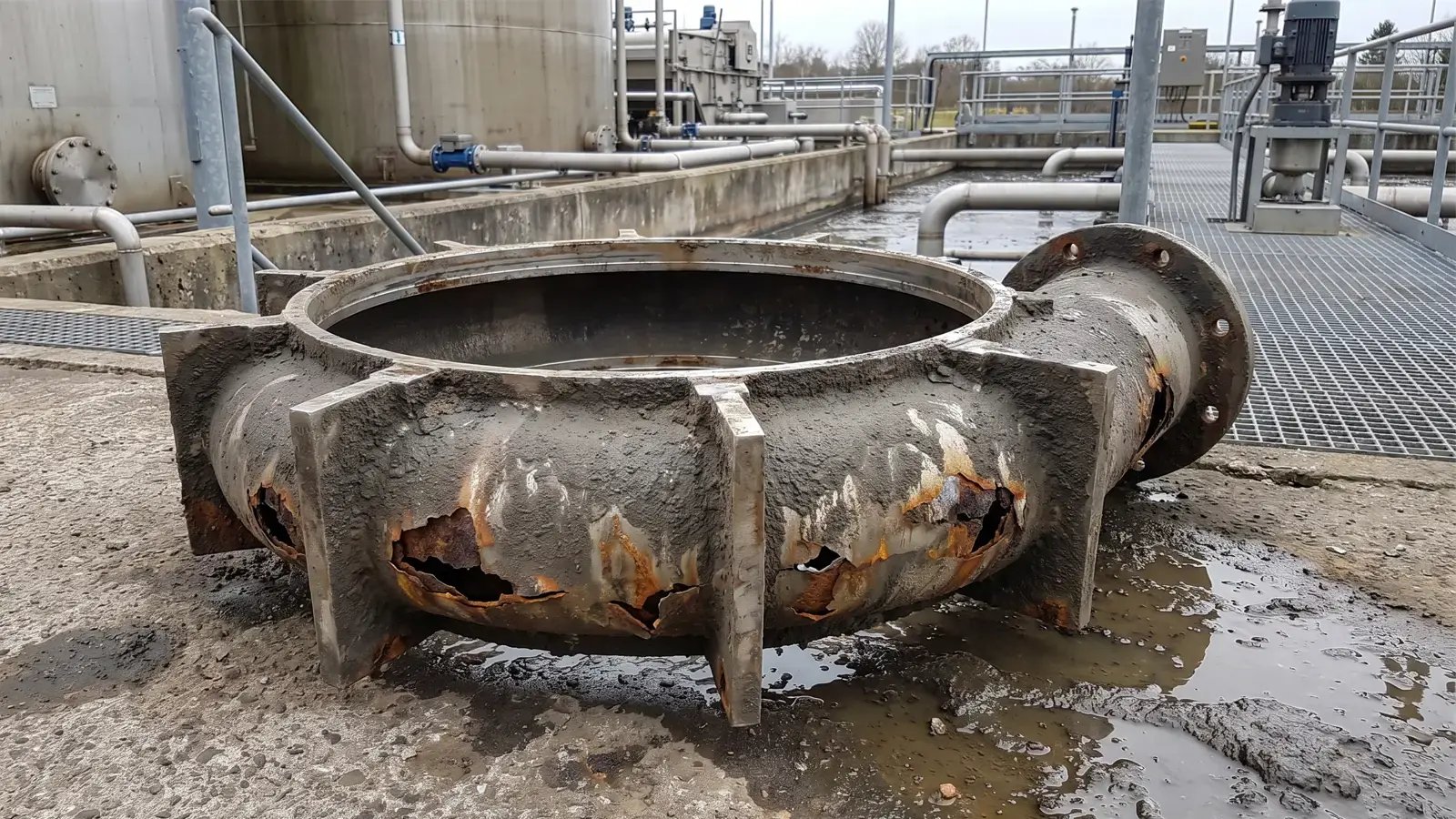
Abrasive particles act like sandpaper on pump internals. As slurry flows through the pump, suspended solids scrape against impeller vanes, volute walls, and wear plates. This erosive action removes material layer by layer, eventually compromising pump performance.
The rate of damage depends on particle size, hardness, concentration, and flow velocity. Larger, angular particles cause more aggressive wear than smaller, rounded ones. High-velocity flows compound the problem by increasing impact force against internal surfaces.
Over time, worn impellers lose their efficiency. Gaps widen between rotating and stationary components. Hydraulic performance drops, energy consumption rises, and eventually the pump fails completely.
Why Does Wear Resistance Matter for Wastewater Pumps?
Wear resistance determines how long your pump components survive in abrasive service. Pumps built with standard cast iron or low-grade materials simply cannot withstand the constant abrasion found in wastewater slurry applications.
High-chrome alloys, hardened steel, and specialized elastomers extend component life significantly. DAE Pumps builds equipment with heavy-duty materials specifically designed for solids-heavy environments. The right material selection can multiply service intervals and reduce total operating costs.
Choosing wear-resistant materials is not about paying more upfront. It is about avoiding repeated failures, unplanned downtime, and the labor costs of constant pump rebuilds.
What Role Does Pump Sizing Play in Premature Failure?
Undersized pumps are a common cause of early failure in wastewater applications. When a pump operates outside its designed parameters, internal velocities increase and wear accelerates rapidly.
An undersized pump runs harder to move the required flow. That extra strain generates excessive heat, increases abrasive contact, and shortens seal and bearing life. Oversized pumps create different problems, including recirculation wear and unstable operation.
Proper sizing requires matching pump capacity to actual flow rates, head requirements, and solids characteristics. DAE Pumps can review your application to help determine the right equipment configuration for your specific operating conditions.
How Does Cavitation Contribute to Pump Wear?
Cavitation occurs when pressure drops cause vapor bubbles to form inside the pump. When those bubbles collapse, they release intense energy that pits and erodes impeller surfaces. In abrasive slurry service, cavitation compounds the damage caused by suspended solids.
Low suction pressure, restricted inlet piping, and high fluid temperatures all increase cavitation risk. The resulting damage looks like pockmarked, cratered surfaces on impeller vanes and casing walls.
Preventing cavitation requires adequate net positive suction head (NPSH) and proper inlet design. Addressing suction conditions is often the simplest way to extend pump life in demanding wastewater applications.
What Maintenance Practices Prevent Slurry Pump Failure?
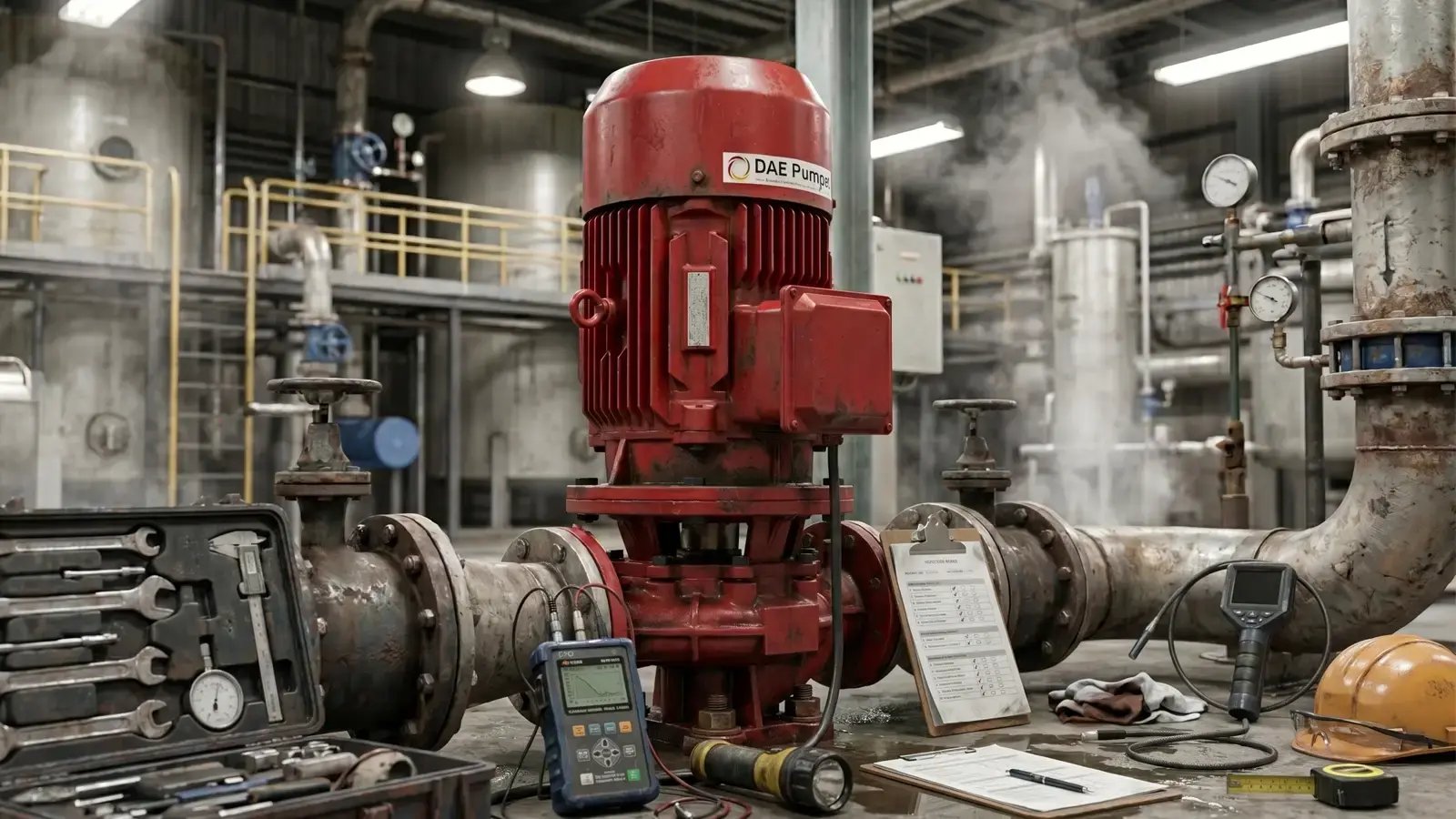
Regular inspection and proactive maintenance catch wear before it becomes failure. Monitoring vibration, temperature, and discharge pressure provides early warning signs that components need attention.
Scheduled wear part replacement keeps pumps running at peak efficiency. Waiting until performance degrades significantly means you are already losing energy to worn clearances and damaged seals.
Keeping accurate maintenance records helps identify wear patterns specific to your application. That data guides decisions about material upgrades, operating adjustments, and replacement intervals.
How Can You Extend Slurry Pump Service Life in Wastewater?
Start with the right pump for your application. That means selecting equipment designed for abrasive slurry service, not repurposed water pumps or undersized units forced to handle heavy solids.
Control operating parameters to minimize unnecessary wear. Running pumps near their best efficiency point reduces internal velocities and extends component life. Avoid dead-heading, throttling, and other practices that increase wear.
Work with equipment specialists who understand wastewater applications. DAE Pumps can help evaluate your material characteristics, flow requirements, and site conditions to recommend equipment that matches your actual operating environment.
FAQs About Why Abrasive Slurry Pumps Fail in Wastewater Plants
What is the most common cause of slurry pump failure?
Abrasive wear from suspended solids is the most common failure cause. Particles erode impellers, liners, and casings over time. When pumps are not matched to the solids concentration and particle characteristics, wear accelerates and failure follows.
How often should wastewater slurry pumps be inspected?
Inspection frequency depends on your solids loading and operating hours. Heavy-duty applications may require monthly checks, while lighter service allows quarterly intervals. Track wear rates to establish the right schedule for your facility.
What materials resist abrasive wear in slurry pumps?
High-chrome white iron, hardened alloy steels, and specialized rubber compounds offer superior wear resistance. DAE Pumps uses heavy-duty materials engineered for demanding conditions where standard components fail prematurely.
Can cavitation damage slurry pumps?
Cavitation causes severe damage to pump internals. Collapsing vapor bubbles pit impeller surfaces and accelerate wear. Ensuring adequate suction pressure and proper inlet design prevents cavitation in wastewater slurry applications.
How does pump sizing affect wear rates?
Undersized pumps run at higher internal velocities, which increases abrasive contact and accelerates wear. Proper sizing matches pump capacity to your actual flow and head requirements. DAE Pumps reviews applications to help determine the right configuration.
What signs indicate a slurry pump is wearing out?
Reduced flow rates, increased power consumption, excessive vibration, and visible leakage all signal wear. Declining performance at the same operating point means internal clearances have widened and components need replacement.